
Loading...
Loading...
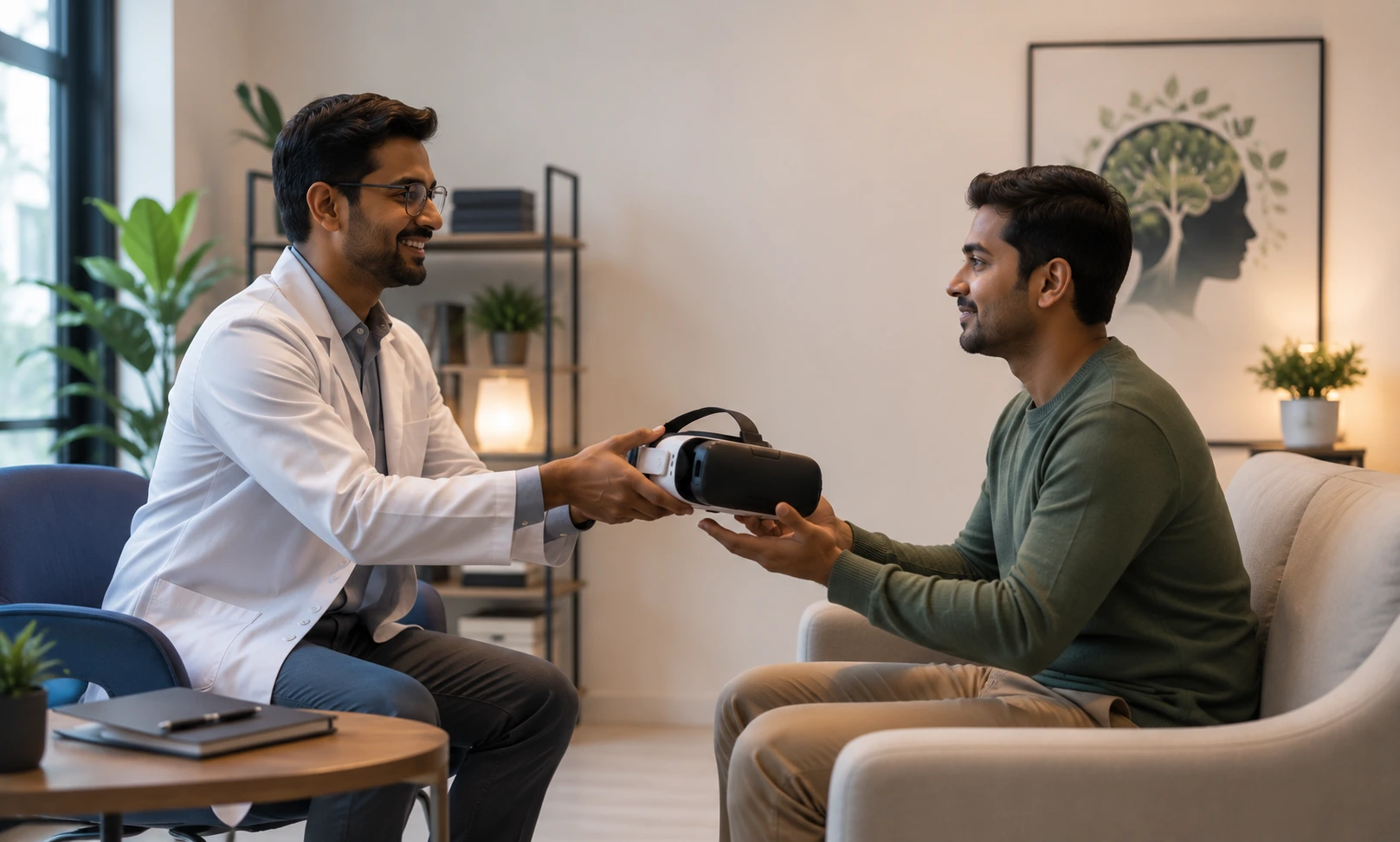
VR Therapy at Maarga Mind Care combines innovative virtual reality technology with evidence-based mental healthcare to create a safe and engaging therapeutic experience. By using realistic virtual settings, individuals can slowly face their fears, learn ways to cope, and develop healthier emotional reactions with help from professionals.
Designed for conditions such as anxiety, phobias, OCD, PTSD, depression and stress-related concerns, VR therapy offers a non-invasive approach that can be integrated with psychotherapy, medication management and other mental health interventions. Each session is personalised to individual needs, helping individuals work towards lasting emotional well-being in a supportive clinical environment.
Virtual Reality Therapy, commonly known as VR therapy, is a modern therapeutic approach that uses computer-generated environments to support psychological treatment and emotional healing. Through specialised VR headsets, individuals are immersed in realistic scenarios designed to help them manage symptoms, practise coping strategies and improve behavioural responses.
Unlike traditional exposure methods that rely on imagination or real-life situations, VR therapy creates safe environments that can be altered to a person's comfort and treatment needs. This helps therapists provide tailored care while keeping the process safe and supervised.
Today, VR therapy for mental health is increasingly being used alongside conventional treatments to improve outcomes and provide individuals with useful tools for managing emotional challenges.
VR therapy can support individuals with a variety of mental health conditions.
Anxiety Disorders: Virtual environments allow individuals to gradually face situations that trigger anxiety while learning techniques to manage emotional responses.
Phobias: Whether it is fear of heights, flying, public speaking or enclosed spaces, VR therapy provides controlled exposure that helps reduce avoidance behaviours over time.
Post-Traumatic Stress Disorder (PTSD): VR therapy for PTSD can assist individuals in processing traumatic experiences through carefully guided exposure and emotional regulation exercises.
Obsessive-Compulsive Disorder (OCD): Virtual reality experiences may be incorporated into exposure-based treatment strategies to help individuals manage OCD.
Depression: VR therapy for depression can help by encouraging people to get involved, stay motivated, and take part in positive activities.
Addiction Recovery and Rehabilitation Support: VR therapy may support individuals recovering from substance use disorders and behavioural addictions by helping them identify triggers, practise coping strategies and strengthen emotional regulation skills in controlled virtual settings. Long-term rehabilitation support and continued therapy can improve relapse prevention and support sustained recovery outcomes.
Stress and Burnout: Immersive therapeutic exercises can help individuals develop resilience, stress-management skills and healthier coping mechanisms.
VR therapy offers several advantages that make it a valuable addition to modern mental healthcare.

Safe and Controlled Exposure: Individuals can engage with challenging situations in a carefully monitored environment without real-world risks.

Personalised Treatment Experience: Sessions can be customised according to specific symptoms, triggers and therapeutic goals.

Improved Engagement: The immersive nature of virtual reality often increases participation and motivation during treatment.

Real-Time Learning: Therapists can teach breathing techniques, grounding exercises and coping strategies while individuals actively practise them.

Greater Confidence: Repeated exposure and skill-building within virtual environments can help individuals feel more confident when facing similar situations in daily life.

VR Relaxation Therapy: VR relaxation therapy can transport individuals into calming virtual settings that encourage mindfulness, relaxation and stress reduction.
Understanding the treatment process can help individuals feel more comfortable before beginning therapy.
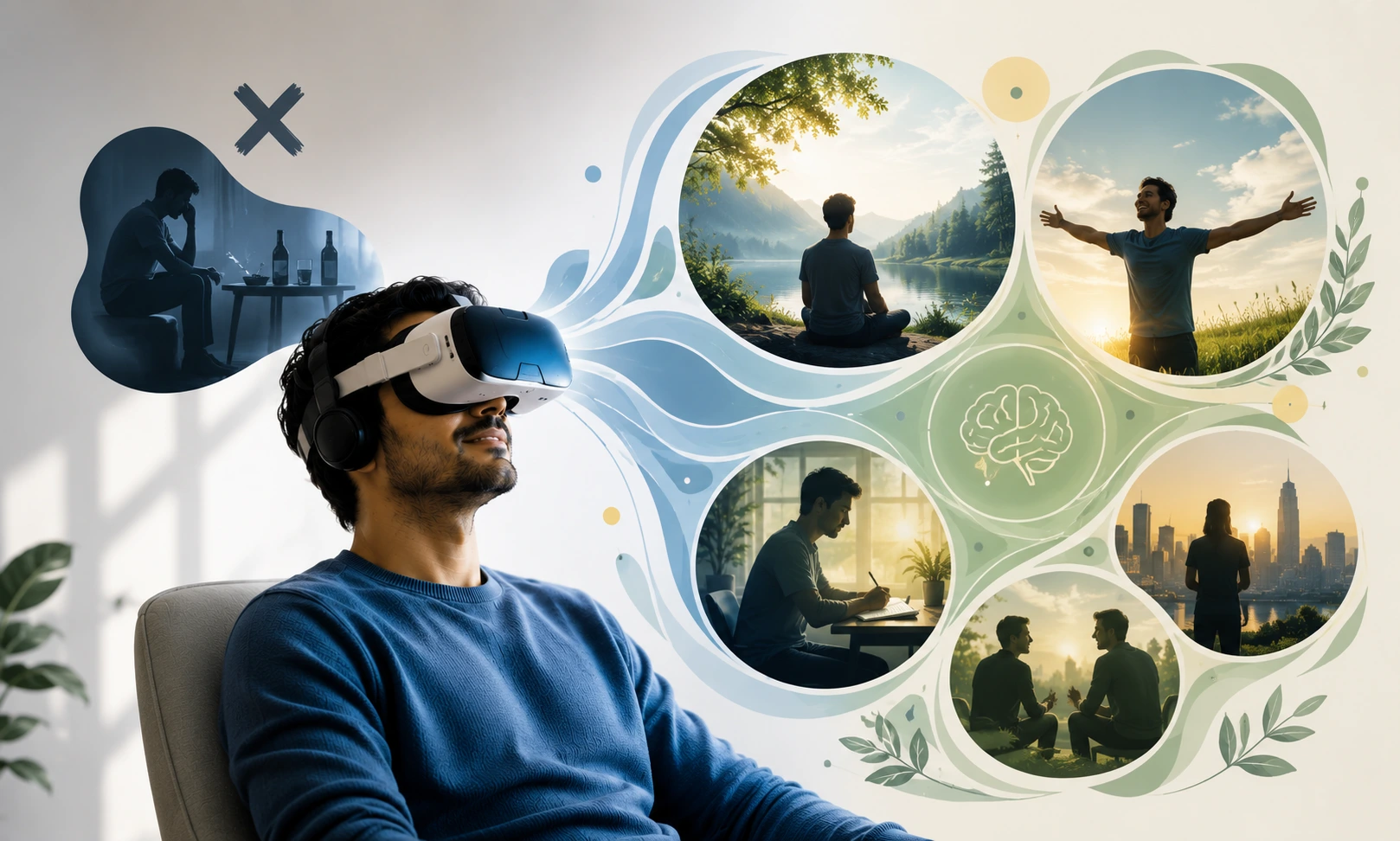
You may consider VR therapy if:

Seeking professional help early can support better long-term outcomes and improve overall quality of life.
At Maarga Mind Care, we combine advanced technology with compassionate, evidence-based care.


Dr. Girishchandra B G

Dr. Vinodh Sreeram

Dr. Krutika Ainapur






Dr. Bhagwat Narayan Rajput

Dr. Lav Kaushik

Dr. Shraddha Chaudhary

Virtual Reality Therapy in Mental Health | Virtual Reality Treatment

How Virtual Therapy, VR in deaddiction program helps explains Maarga Psychiatrist Dr Vinay Saini.


 Book Appt.
 Call
Call
BOOK AN APPOINTMENT
Are you sure you want to close this appointment?
Yes
No