Loading...
Loading...
Autism Spectrum Disorder or ASD treatment begins with understanding the diagnosed individual and devising strategies to manage the everyday challenges that come with autism.
While there is no confirmed ASD cure, the right support can build essential skills and improve quality of life. Key ASD treatment approaches include:
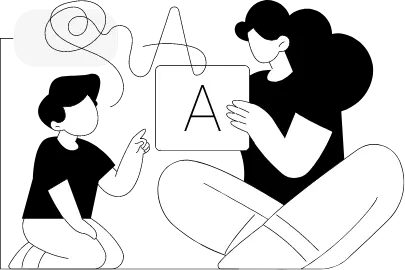
ABA therapy
teaches everyday skills through structured learning.
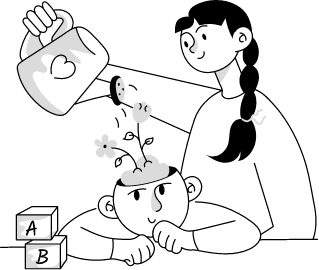
Speech therapy
builds clearer and more confident communication.
Occupational therapy
helps with motor and sensory skills to support daily tasks.

Individualised plans
to complement unique strengths and personal goals.

ASD is diagnosed on a spectrum because it affects people in different ways. Each person with autism has unique strengths and challenges. Hence, there is no standard ASD treatment. It is often customised and targets specific learning and improvement areas like communication, sensory adaptive skills, social interactions, etc.
The goal of an ASD treatment plan is to support a person with autism in areas that need help, instead of trying to fix traits that are simply part of their diversity. The symptoms that interfere with everyday functioning are prioritised.
Also, autism symptoms can overlap with other mental health issues like ADHD, anxiety and depression, etc. Hence, the ASD treatment is focused on the person’s specific needs, rather than the diagnostic label.
There are a host of Autism treatment options to target different issues and needs. Mental health care providers often work closely with children and adults, assessing their autism symptoms and challenges. They use this information to offer the right combination of interventions, psychological services, support, and medications as per CDC guidelines.
Behavioural therapy approaches specifically focus on changing how a person learns, behaves, and interacts with their environment. They help correct behaviours that cause distress and work well for early skill development.
DTT is a form of ABA which focuses on improved desired behaviour and response. A simple structured approach is used to simplify learning new behaviours. Desired answers/behaviours are rewarded.
Often combined with behavioural therapies, development treatment target areas like independent functioning, physical capabilities, sensory processing, emotional regulation, etc. These therapies help progress in daily routines.
Based on the principles of ABA, ESDM is a developmental approach used for 1 to 3-year-old children with ASD. It focuses on building social, communication, and cognitive skills through play and fun learning techniques. Parent involvement is crucial in ESDM to encourage children through shared enjoyment and positive interpersonal exchanges.
Used in schools and structured learning environments, educational treatment is crucial for learning kids. It helps understand expectations, process information, follow instructions, and participate in academic tasks more confidently.
Social-related treatments focus on building emotional bonds and improving social understanding. Such social and relationship skills benefits are part of both advanced and mid ASD treatment options.
This type of training involves reinforcing skills to interact with others. The core areas targeted include conversation, social cues, and civilised behaviour during interpersonal verbal and non-verbal communication. Social groups help work on them in a structured environment.
There are no recognised medications that target the core symptoms of autism. Rather, they help manage specific symptoms that often coexist with autism. Some examples include irritability, inattention, anxiety, aggression, hyperactivity, or sleep difficulties. Medications are usually used to reduce distress and improve functioning. The type of medicines depends on the nature of the symptoms.
ABA works by understanding behaviours and how they are affected by different environments. Based on such analysis, desired behaviours are encouraged through positive reinforcement, while the negative behaviours are discouraged by explaining consequences. This sets a base to learn new skills.
PRT is another extension of ABA, where pivotal skills are worked on in a natural setting. Such skills include communication, language, positive social behaviours, etc. Motivation strategies are used in PRT to encourage learning.
Occupational therapy includes improvement of cognitive, physical, and motor skills that are crucial for independent functioning. These may include writing, dressing, bathing, and interacting with people. By targeting different functional areas, OT works to improve quality of life.
Communication issues are a common trait in people with ASD. Hence, speech and language therapy is used to help the person communicate and express their needs clearly. In case of non-verbal communication, speech-language pathologists and therapists work on improving signs, gestures, and communication through pictures and devices.
Treatment and Education of Autistic and Related Communication-Handicapped Children (TEACCH) focuses on supporting learning in children with autism. In this structured teaching approach, teachers are guided to help autistic students. Some common ways include supporting with organisation through clear routines, visual and written supplementation of verbal communication, and individualised support.
This family-based behavioural treatment helps children with autism improve social and emotional skills. A therapist guides the parents to interact with their children on their comfort level. The core goal is to increase shared social interactions between the child and the parent. Over time, this assists in encouraging positive changes through motivation and social coordination.
This is another therapy where parents play a key role. They help children with autism by interacting and playing with them at their level. Communicating at the child’s developmental levels helps realistically understand their strengths and weaknesses.
Alongside evidence-backed ASD treatment options, many families explore complementary approaches. They may help with emotional regulation and overall well-being, but are not a substitute for professional treatment.
You can use them only as supportive additions when guided by qualified professionals:

Special diets for digestive issues or insensitivities planned with medical and nutritional consultation.

Animal therapy with pet or trained dogs, cats, and other domestic animals can help reduce anxiety and encourage communication.

Arts therapy through music, painting, sketching, etc., helps with expression and emotional regulation.
Mindfulness and relaxation techniques can ease stress and improve focus.

Sensory-based therapy involves activities that address sound, touch, or movement sensitivities to improve daily comfort.
Evidence-based autism spectrum disorder treatments are generally effective when personalised to an individual’s developmental, behavioural, social, and physical needs. Approaches like ABA, speech and language therapy, occupational therapy, and more are backed by organisations like CDC and Autism Speaks. With consistent sessions, these treatments improve communication, daily functioning, emotional and sensory control, and social interactions.
Per a case study in the International Journal of Indian Psychology, a 4-year-old boy, diagnosed with autism at the age of two, showed improvements with ASD therapies. A combination of speech, occupational, group, and skills training therapy was used for his treatment. His progress in two years included improvements in key developmental areas like communication skills, social interactions, motor skills, and sensory responses.

The signs of autism look different in each person and vary with age. Some common signs of ASD at any age include:
If you notice several of these symptoms, prompt support helps develop mechanisms to cope with challenges.
Our multidisciplinary team at Maarga Mindcare comprise child and adolescent psychiatrists, adult psychiatrists, and therapists to help with learning difficulties and manage various ASD symptoms. With a host of therapies as recommended under CDC and Autism Speaks guidelines, our mental healthcare professionals work together to create a structured and personal treatment plan for every individual. We also focus on making the ASD diagnosis comfortable and smooth in our safe and compassionate environment.
Disclaimer
The information provided on this page is for educational purposes only and does not replace professional medical consultation. ASD treatment results vary from person to person. Please consult a specialist psychiatrist or psychologist for personalised care. If you or your loved one is struggling with ASD, reach out to Maarga Mind Care – a trusted psychiatric hospital in India. Our experts can help you start your journey to recovery.

 Book Appt.
 Call
Call
BOOK AN APPOINTMENT
Are you sure you want to close this appointment?
Yes
No