Loading...
Loading...
Living with schizophrenia can feel overwhelming, but it’s important to remember that help is always within reach. Starting schizophrenia treatment, whether with medication or therapy, brings hope and a sense of progress. It’s not about finding a quick “cure for schizophrenia,” but rather building a path toward symptom relief and improved quality of life.
Schizophrenia treatment focuses on helping individuals lead stable, fulfilling lives through ongoing care and support. It is typically a combination of schizophrenia medication, such as antipsychotics, and therapy, along with psychosocial interventions. Together, these approaches work to reduce symptoms and improve day-to-day functioning.
Treatment is most effective when it begins early and includes family and community involvement. With patience, care, and the right treatment, individuals can rediscover independence, connection, and a renewed sense of purpose.
According to the World Health Organization (WHO), schizophrenia affects nearly 1 in 300 people worldwide. Yet, with the right care, many go on to live fulfilling, independent lives.
With early intervention and consistent schizophrenia treatment, up to 1 in 3 individuals experience significant recovery, proving that with the right support, healing is possible.
Besides, schizophrenia treatment is rarely one-size-fits-all. The most effective care plans are ones tailored to an individual’s symptoms, medical history, and lifestyle. Treatment often begins with managing the most distressing symptoms and gradually expands to include therapy and social rehabilitation.
Collaboration between psychiatrists, psychologists, and family members plays an important role in ensuring lasting progress.
For many individuals, antipsychotic medication forms the foundation of managing schizophrenia. These medicines help reduce symptoms such as hallucinations, delusions, and disorganised thinking, allowing people to regain balance and function better in daily life.
Psychiatrists commonly prescribe either first-generation (typical) or second-generation (atypical) antipsychotics, depending on individual needs. Long-acting injectables are also available for those who find it difficult to take tablets regularly.
While medication alone may not address every aspect of the condition, it creates a strong base for recovery. Regular consultations with a mental health specialist ensure safe dosage adjustments and effective symptom control.
Once symptoms begin to stabilise, psychotherapy and psychosocial interventions become essential parts of recovery. Approaches such as Cognitive Behavioural Therapy (CBT) help individuals identify and manage negative thought patterns, while family therapy encourages better communication and understanding within the household.
Other forms of psychotherapy, such as supportive or insight-oriented counselling, help individuals:

Cope with emotions

Manage stress

Overcome the social challenges of living with schizophrenia
In India, community-based programmes, vocational training, and group therapy are becoming increasingly popular, encouraging independence and social inclusion. With early intervention and consistent psychosocial support, individuals can experience better long-term outcomes and improved overall well-being.
The most effective schizophrenia treatment combines medication, psychotherapy, and social support. This holistic approach not only helps with symptom management but also strengthens relationships. It focuses on building confidence and supporting greater independence and daily functioning.
Long-term management works best with consistency, empathy, and active family involvement. Clinics like Maarga Mindcare follow a similar integrated model by bringing together psychiatrists, therapists, and community support. This ensures that care goes beyond medication and focuses on long-term recovery and well-being.
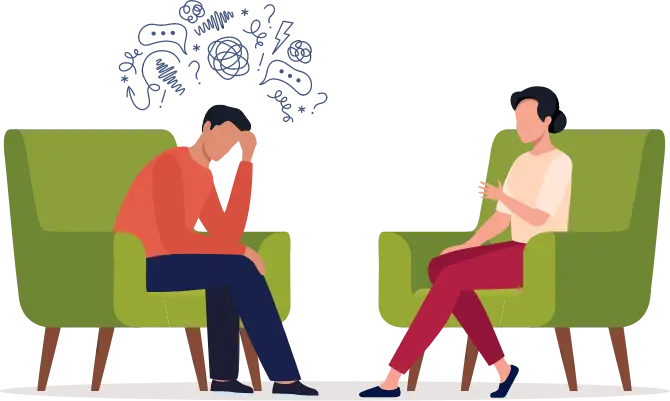

Schizophrenia treatment has proven to be effective in managing symptoms and improving daily functioning for many individuals. A 2024 study published in The Lancet Psychiatry found that about 81% of people receiving treatment for first-episode schizophrenia experienced at least a 20% reduction in symptoms, while more than 50% showed a 50% or greater reduction.
Similarly, a 2025 study in Scientific Reports (Nature Portfolio) observed that nearly 65% of patients improved within the first year of consistent antipsychotic use. However, long-term recovery varies, according to StatPearls (NCBI, 2023), around 20% of individuals may achieve full recovery, while others benefit from sustained support.
These studies indicate that combining early diagnosis, medication, and psychosocial support significantly improves long-term treatment outcomes for people living with schizophrenia.
Recognising when to seek help is one of the most important steps toward recovery from schizophrenia. Many people begin to notice subtle changes long before the condition is diagnosed. These may include:
Withdrawing from friends and family
Struggling to focus
Feeling disconnected from reality
Reduced emotional expression or loss of motivation
According to the National Institute of Mental Health, early intervention after the first episode of psychosis can significantly improve recovery and reduce long-term challenges. Delaying schizophrenia treatment, on the other hand, can make symptoms harder to manage and affect relationships, work, or studies.
If you or someone close to you is showing early signs, reaching out to a psychiatrist, psychologist, or mental health clinic can help you get the right guidance and support. You should consider seeking professional help if you notice:
Persistent hearing of voices or seeing things others don’t
Withdrawing from loved ones or losing interest in everyday activities
Strong beliefs or fears that don’t align with reality
Sudden changes in sleep, appetite, or personal hygiene
Confused thinking, disorganised speech, or unusual behaviour
Struggling to function at work, school, or in relationships
Using substances to cope with stress or overwhelming emotions
Getting help early doesn't just help you manage symptoms; it can also prevent future episodes and kickstart your journey to recovery and stability.
At Maarga Mindcare, the road to recovery from schizophrenia begins with understanding and compassion. With a dedicated team of psychiatrists and therapists specialising in CBT, psychotherapy, and behavioural therapy, the centre offers holistic and personalised treatment for individuals at different stages of the condition.
Led by experts in age-related mental disorders, adult psychiatry and child & adolescent psychiatry, Maarga Mindcare focuses on helping patients manage symptoms, regain emotional balance, and rebuild independence. To achieve the same, they use structured and evidence-based care. The team integrates medical management, counselling, and family therapy to ensure every aspect of a person’s emotional wellness is supported.
From the first consultation to ongoing progress tracking, every step of care is guided by empathy, professionalism, and global best practices.
Disclaimer
The information provided on this page is for educational purposes only and should not replace professional medical advice, diagnosis, or treatment. Schizophrenia symptoms and treatment outcomes can vary from person to person. Please consult a qualified psychiatrist or psychologist for personalised guidance. If you or someone you know is struggling with schizophrenia, reach out to Maarga Mindcare — a trusted psychiatric hospital in India. Our team of experts can help you begin your journey toward stability and recovery.

 Book Appt.
 Call
Call
BOOK AN APPOINTMENT
Are you sure you want to close this appointment?
Yes
No