Loading...
Loading...
Major Depressive Disorder (MDD) is a serious but highly treatable mental health condition that affects the mind, body and daily functioning. Millions of people experience MDD each year. However, with the right help, most individuals recover or learn to manage symptoms effectively.
Effective major depressive disorder treatments provide individuals with the tools and support they need to move toward healing, stability, and hope.
Treatment for Major Depressive Disorder involves various evidence-based approaches designed to reduce symptoms, improve daily functioning, and enhance overall well-being. No single treatment works for everyone. Instead, clinicians tailor the plan based on symptom severity, medical history, co-existing conditions, lifestyle, and emotional needs.
Major Depressive Disorder treatments usually focus on:
Stabilising mood
Improving sleep and appetite patterns
Reducing feelings of hopelessness
Restoring daily functioning
Managing negative thought patterns
Building healthy coping mechanisms
Preventing relapse
According to the National Institute of Mental Health (NIMH), a combination of psychotherapy and medication is often the most effective approach for moderate to severe depression.
MDD can be managed through multiple scientifically validated treatment modalities. Below is an overview of commonly used approaches.
Psychotherapy is widely recommended as the first-line treatment for mild to moderate depression, because it addresses both the emotional and cognitive roots of the condition. Through structured sessions with a trained therapist, like the ones at Maarga Mind cCare, individuals learn to better understand the factors contributing to their symptoms. These could be:
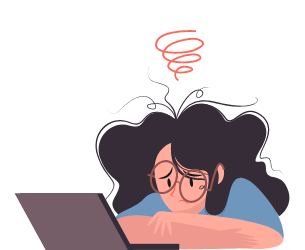
Unresolved stress
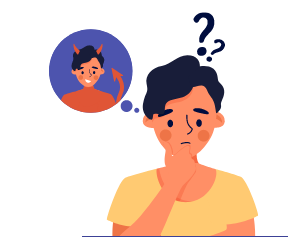
Patterns of negative thinking

Relationship conflicts
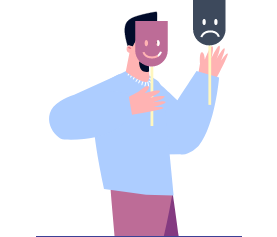
Long-standing behavioural responses
Therapy for major depression also equips them with practical tools to manage overwhelming emotions and improve problem-solving skills. It urges individuals to develop healthier ways of relating to themselves and others. Over time, this process helps reduce symptom intensity, strengthens emotional resilience, and supports long-term recovery.
Common Therapy Approaches
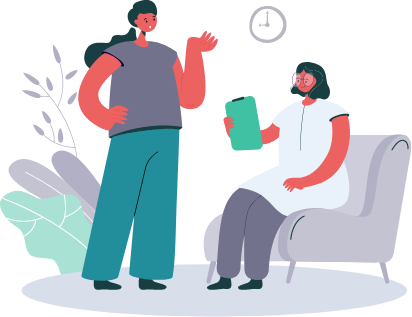
Cognitive Behavioural Therapy (CBT)
CBT helps individuals identify distorted thinking patterns and replace them with healthier, realistic thoughts. It is one of the most researched therapies for depression and consistently shows strong outcomes.
A meta-analysis published in The Lancet Psychiatry found CBT highly effective as both standalone and combined therapy. The study showed that people who received CBT experienced noticeable improvement in their symptoms and general well-being. It also suggested that CBT can help individuals build long-term coping skills, making it a reliable and widely recommended approach for managing depression.
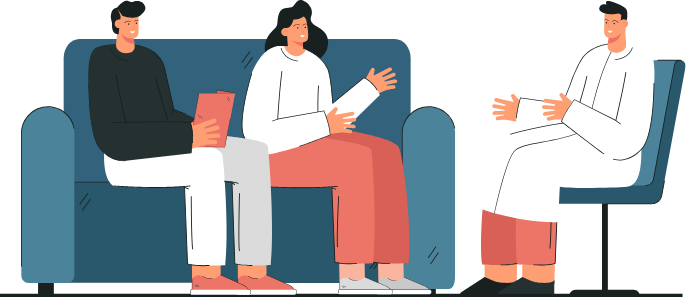
Interpersonal Therapy (IPT)
Interpersonal Therapy (IPT) focuses on understanding how a person’s relationships and social roles influence their emotional well-being. It addresses areas such as unresolved conflicts, grief or loss, major life changes, and difficulties in expressing needs or setting boundaries. By improving communication patterns and strengthening support systems, IPT helps individuals navigate interpersonal stress more effectively.
This approach is particularly useful for people whose depressive symptoms are closely linked to relationship issues or disruptions in their social environment.
Psychodynamic Therapy
This approach explores underlying emotional conflicts, past experiences, and subconscious patterns that may be influencing current behaviour and mood. By bringing these deeper issues into awareness, individuals can gain clarity about long-standing emotional themes, unresolved stressors, and relational patterns that contribute to depressive symptoms.
Over time, this insight supports healthier coping strategies and more adaptive ways of responding to day-to-day challenges.
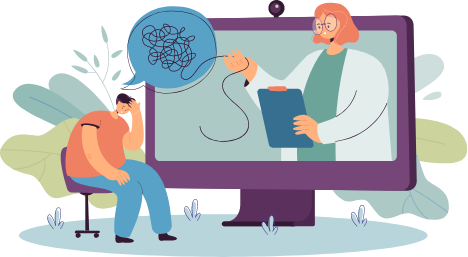
Mindfulness-Based Cognitive Therapy (MBCT)
MBCT is recommended by the National Institute for Health and Care Excellence (NICE) for recurrent depression. It combines mindfulness practices with cognitive techniques to help individuals become more aware of negative thought patterns and respond to them with greater clarity and calm. It is especially effective in preventing relapse for those who have experienced recurrent depressive episodes.
Antidepressants help correct chemical imbalances in the brain that affect mood, energy levels, motivation, and emotional stability. They can:

Ease core symptoms
Improve daily functioning
Support individuals in responding better to psychotherapy and lifestyle interventions
Commonly Prescribed Categories
Typically, Selective Serotonin Reuptake Inhibitors (SSRIs) may be used due to their milder side effects and proven efficacy. For depression accompanied by anxiety or chronic pain, Serotonin-Norepinephrine Reuptake Inhibitors (SNRIs) may be prescribed. Doctors may prescribe antidepressants with specific symptoms like fatigue, appetite loss or insomnia.
How Medication Helps
Antidepressants work in several important ways to help stabilise mood and support recovery.
Restores neurotransmitter balance
Antidepressants regulate chemicals like serotonin, norepinephrine, and dopamine, which play a major role in mood and emotional stability.
Improves mood, sleep, and concentration
By stabilising brain pathways, medication can ease persistent sadness, regulate sleep patterns, and enhance focus and mental clarity.
Reduces negative thoughts
Many individuals experience a noticeable decrease in intrusive, self-critical, or hopeless thoughts as treatment begins to take effect.
Improves overall functioning
As symptoms reduce, people often regain energy, motivation, and the ability to engage in work, relationships, and daily routines more effectively.
It is important to note that response to medication can vary from person to person. Regular follow-ups help ensure the treatment for major depressive disorder is safe and effective.
Lifestyle adjustments form a vital part of managing long-term symptoms.
Beneficial Interventions
These strategies complement therapy and medication but are not standalone treatments for moderate to severe depression.

For individuals who do not respond fully to first-line treatments, clinicians may explore advanced, scientifically validated interventions. These are particularly helpful for Treatment-Resistant Depression (TRD), where symptoms persist despite trying two or more antidepressants.
A non-invasive treatment that uses focused magnetic pulses to stimulate specific areas of the brain responsible for mood regulation and emotional processing. This targeted stimulation helps activate neural pathways that may be underactive in depression, gradually improving mood, energy levels, and cognitive functioning without the need for medication or anaesthesia.
Benefits of TMS

No sedation required
The procedure is done while the person is awake, allowing them to resume normal activities immediately afterward.
Minimal side effects
Most individuals experience only mild scalp discomfort or tapping sensations during treatment, with no systemic side effects.
Scientifically proven to reduce depressive symptoms
Multiple clinical studies have shown that TMS can significantly improve mood and reduce symptom severity, especially in treatment-resistant depression.
Suitable for individuals who cannot tolerate medications
TMS is a valuable option for people who experience strong side effects from antidepressants or have not responded well to medication alone.
ECT is one of the most effective major depressive disorder treatments, especially when symptoms include psychosis, suicidal thoughts, or catatonia. It is typically recommended when rapid improvement is needed or when other treatments have not provided adequate relief.
How ECT Helps
Produces controlled therapeutic seizures: These brief seizures help reset certain brain circuits involved in mood regulation, leading to noticeable symptom reduction.
Rapid improvement in severe symptoms: Many individuals begin to experience relief within a few sessions, making ECT valuable in urgent or life-threatening situations.
Effective when other treatments fail or slow to act: ECT is often considered when medications are ineffective, poorly tolerated, or too slow to provide necessary relief.
ECT is backed by decades of clinical research and is endorsed by APA for severe, life-threatening depression.
Ketamine works differently from traditional antidepressants by targeting the brain’s glutamate system, which plays a key role in mood regulation, neural connectivity, and emotional response. This unique mechanism allows it to act much faster than standard medications.
Benefits
Rapid symptom improvement
Many individuals notice relief within hours to days, which is significantly faster than typical antidepressants.
Helps reduce suicidal thoughts quickly
Ketamine has been shown to ease acute suicidal ideation. This makes it particularly useful in crisis situations.
Effective for treatment-resistant depression
It offers an alternative for people who have not responded to multiple antidepressants or therapy approaches.
ECT is backed by decades of clinical research and is endorsed by APA for severe, life-threatening depression.
For individuals with severe or rapidly worsening symptoms, hospital-based treatment or intensive outpatient programs, like those offered at Maarga Mindcare, provide a higher level of care and support. These settings ensure safety, stabilisation, and round-the-clock access to clinical expertise.
They typically offer:
Monitoring
Continuous observation to track symptoms, behaviour, and overall health.
Medication adjustments
Faster and safer optimisation of medications under direct clinical supervision.
Crisis support
Immediate intervention during emotional or behavioural crises.
Group therapy
Structured sessions that promote connection, coping skills, and shared understanding.
Safety planning
Developing strategies to manage risks, prevent self-harm, and support long-term stability.
These structured programs allow rapid stabilisation and enable clinicians to create a personalised treatment plan curated as per the individual’s immediate needs and long-term recovery goals.
As discussed, MDD is highly treatable. With the right combination of support and evidence-based major depressive disorder treatments, many individuals experience relief and long-term stability.
Why Treatment Works
1
It addresses both the biological and psychological factors that contribute to depression.
2
Evidence-based therapies equip individuals with long-term coping skills and emotional insights.
3
Medication helps correct chemical imbalances that affect mood and daily functioning.
4
Healthy lifestyle habits strengthen emotional resilience and support ongoing recovery.

Studies Supporting Treatment Effectiveness
1
NIMH: Research shows that combining therapy and medication often leads to better outcomes for moderate to severe depression.
2
The Lancet: Clinical reviews highlight that antidepressants are more effective than placebo in reducing depressive symptoms.
3
APA: Psychotherapy is shown to improve functioning and reduce the likelihood of symptom relapse.
Because recovery can fluctuate, continuous support and timely follow-ups are essential for sustaining improvement and preventing setbacks.
Recognising when to seek support is one of the most important steps in overcoming major depressive disorder. While everyone experiences low moods from time to time, depression becomes a concern when symptoms persist, intensify, or begin to interfere with daily life. Early intervention can make a significant difference in how quickly symptoms improve and how well an individual responds to treatment.
A good indicator that it may be time to reach out for professional help is when symptoms last for two weeks or more. During this period, you might notice changes in your mood, habits, or relationships that feel unusual or difficult to manage. Depression often shows up in both emotional and physical ways, and many people don’t realise the extent of their symptoms until they begin affecting routine activities.
Common signs that you may need support include:
A persistent feeling of sadness, emptiness or heaviness
Losing interest in activities that once brought joy
Trouble falling asleep, staying asleep or sleeping too much
Noticeable changes in appetite or weight
Low energy or overwhelming fatigue
Intense feelings of hopelessness, guilt, or worthlessness
Difficulty focusing, remembering details, or making decisions
Pulling away from friends, family, or social situations
Thoughts of self-harm or suicide

The World Health Organisation (WHO) highlights that seeking help early prevents symptoms from worsening and supports better long-term outcomes. Moreover, reaching out is not a sign of weakness; it is a step toward healing and feeling like yourself again.
If you or someone you care about is experiencing thoughts of self-harm or suicide, immediate help is essential. Contact a mental health professional, call emergency services, or reach out to a crisis helpline right away. Prompt support can save lives and provide the safety and care needed during such moments.
Maarga Mind Care follows a patient-first, evidence-based approach to treating MDD. The team focuses on delivering customised treatment plans, compassionate care, and long-term support.
Specialists in Adult Psychiatry
Maarga has a dedicated team of specialists trained in adult psychiatry who are experienced in diagnosing and treating complex depressive disorders. Their expertise ensures:

Accurate assessment
Personalised treatment plans
Appropriate medication choice and dosage
Monitoring of side effects
Ongoing symptom evaluation
Integrated care that respects each patient’s pace and comfort
Evidence-Based Treatment Approaches
Maarga’s clinicians use globally recognised treatment modalities including:
Cognitive Behavioral Therapy (CBT)
Interpersonal Therapy (IPT)
Mindfulness-Based Cognitive (MBCT)
Behavioural activation therapy
Pharmacotherapy
TMS and advanced interventions (when required)
Personalised, Compassionate Care
Depression can feel isolating and overwhelming. Maarga ensures:
A stigma-free environment
Clinicians who listen actively
Support for families and caregivers
Care plans adjusted to patient comfort levels
The goal is to empower individuals with emotional strength and long-term resilience.
Integrated Treatment Plans
Maarga combines multiple approaches for whole-person care:
Therapy
Medication management
Stress reduction techniques
Sleep and lifestyle interventions
Regular follow-ups
Crisis support if needed
Each plan evolves as symptoms improve or new needs emerge.
Support for Treatment-Resistant Depression
Maarga offers advanced options like:
TMS
Ketamine-assisted therapy
Collaborative psychiatric evaluation
This is especially helpful for individuals who have not responded to standard treatment.
Focus on Relapse Prevention
Recovery does not end when symptoms reduce. Maarga emphasises:
Long-term therapy
Coping skill development
Monitoring for early signs of relapse
Structured maintenance plans
This reduces recurrence and promotes sustained emotional health.
Disclaimer
The information provided on this page is intended solely for educational purposes and should not be treated as a substitute for professional medical advice, diagnosis, or treatment. Major Depressive Disorder (MDD) is a clinical condition that presents differently in each individual, and treatment outcomes may vary based on personal health status, symptom severity, and underlying causes. Please consult a qualified psychiatrist, psychologist, or mental health professional for an accurate assessment and personalised treatment plan. If you or someone you know is experiencing persistent low mood, hopelessness, or thoughts of self-harm, contact a mental health expert immediately. You may also reach out to Maarga Mindcare, a trusted psychiatric and neurological care centre in India, for timely support and guidance.

 Book Appt.
 Call
Call
BOOK AN APPOINTMENT
Are you sure you want to close this appointment?
Yes
No