Loading...
Loading...
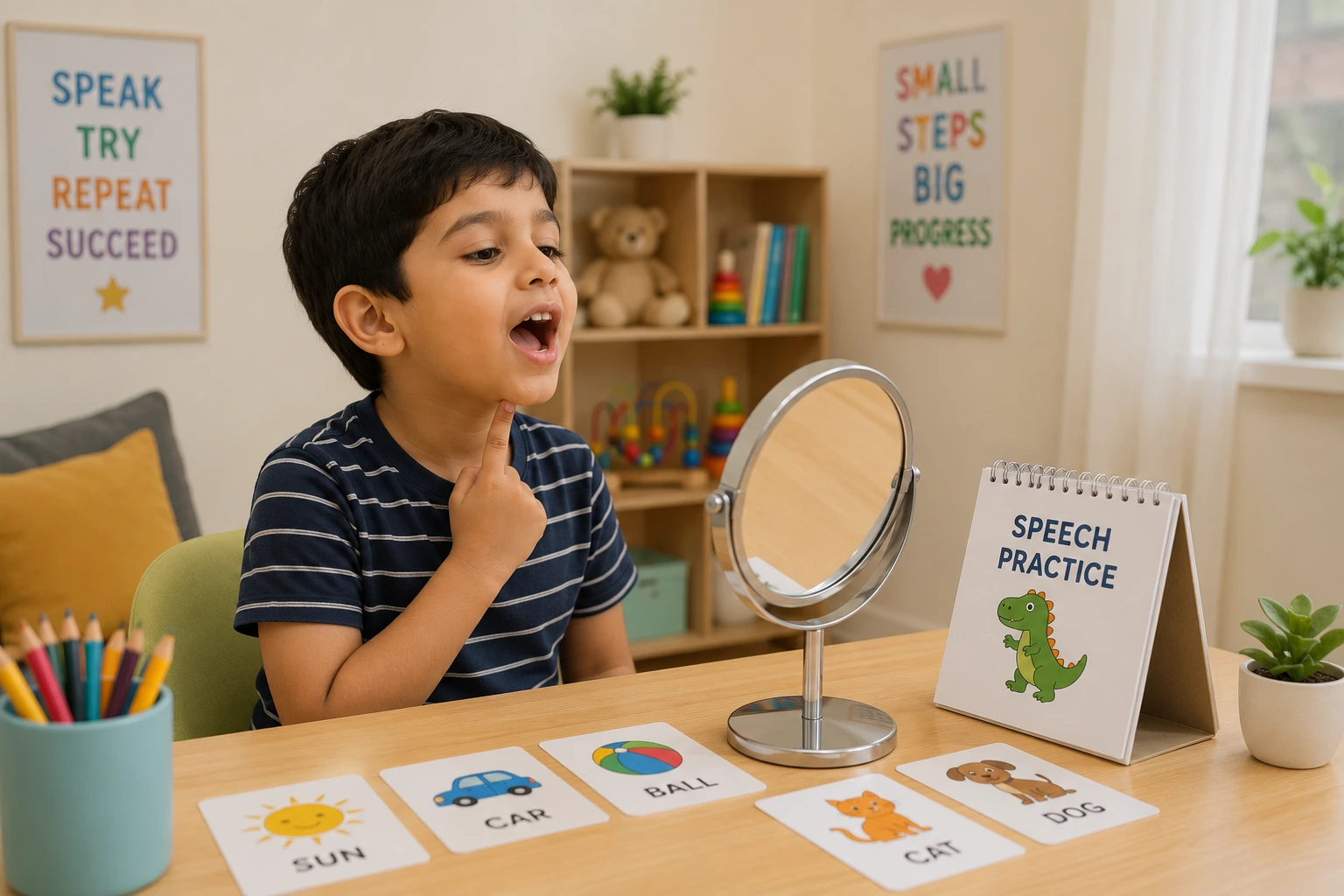
Speech Therapy is a specialised treatment that helps children and adults improve communication, speech, language and swallowing skills. Guided by trained speech-language therapists, it uses personalised exercises and techniques to address speech difficulties, enhance understanding and support confident communication in everyday life.
Communication has an important role in daily life, influencing how individuals express thoughts, build relationships, learn new skills and participate in social activities. When speech, language or communication difficulties arise, they can affect confidence, academic performance, professional growth and overall quality of life.
Speech therapy is a structured and evidence-based intervention designed to evaluate, diagnose and treat a wide range of speech, language, communication and swallowing disorders. It involves working with a qualified speech-language therapist who develops a personalised treatment plan based on an individual's specific needs and goals.
Speech and language challenges can affect people of all ages. Children may experience delays in language development, difficulty pronouncing words or challenges understanding communication. Adults may require support following neurological conditions like a stroke, traumatic brain injury or advanced neurological disorders.
At Maarga Mind Care, speech therapy is delivered through a compassionate and individualised approach that focuses on helping individuals communicate more effectively, participate confidently in daily activities and achieve meaningful improvements in their overall well-being.
Speech therapy can support individuals experiencing a variety of communication and swallowing difficulties.
Speech Delays in Children: Certain children develop speech and language skills later than expected. Early intervention through speech therapy for kids can help improve vocabulary, pronunciation, comprehension and communication abilities.
Articulation and Pronunciation Disorders: Certain individuals may struggle to pronounce sounds correctly, making speech difficult to understand. Speech therapy helps improve sound production and clarity.
Language Disorders: Language disorders can affect a person's ability to understand spoken language, express thoughts or use words effectively in conversations. Therapy focuses on improving both receptive and expressive language skills.
Stuttering and Fluency Disorders: Speech therapy can help individuals manage stuttering, improve fluency and develop greater confidence during communication.
Autism Spectrum Disorder: Many children and adults with autism benefit from speech therapy to enhance communication, social interaction and language development.
Voice Disorders: Changes in voice quality, pitch, volume or vocal strain can affect communication. Speech therapy techniques may help improve vocal function and reduce strain.
Stroke and Neurological Conditions: Speech therapy for adults is often recommended following stroke, brain injury, Parkinson's disease or other neurological conditions that affect communication or swallowing abilities.
Swallowing Disorders: Difficulties with chewing, swallowing or safely consuming food and liquids can also be addressed through specialised speech therapy interventions.
Speech therapy offers numerous benefits that extend beyond communication improvement.

Improved Communication Skills: Individuals learn strategies to express thoughts, ideas and emotions more effectively in everyday situations.

Enhanced Confidence: As communication improves, many individuals become more confident in social, academic and professional settings.

Better Academic Performance: Children who receive early intervention often experience improvements in classroom participation, literacy and learning outcomes.

Stronger Social Relationships: Clearer communication can help strengthen interactions with family members, friends and peers.

Personalised Treatment Plans: Every therapy programme is designed according to the individual's age, abilities, challenges and goals.

Support for Neurological Recovery: Speech therapy for adults can play a significant role in rehabilitation following stroke or neurological injury by improving communication and swallowing function.

Improved Quality of Life: The ability to communicate effectively often contributes to greater independence and overall well-being.

Practical Skill Development: Individuals learn speech therapy exercises that can be practised between sessions to support continuous improvement.
Understanding the therapy process can help individuals and families feel more prepared before starting treatment.
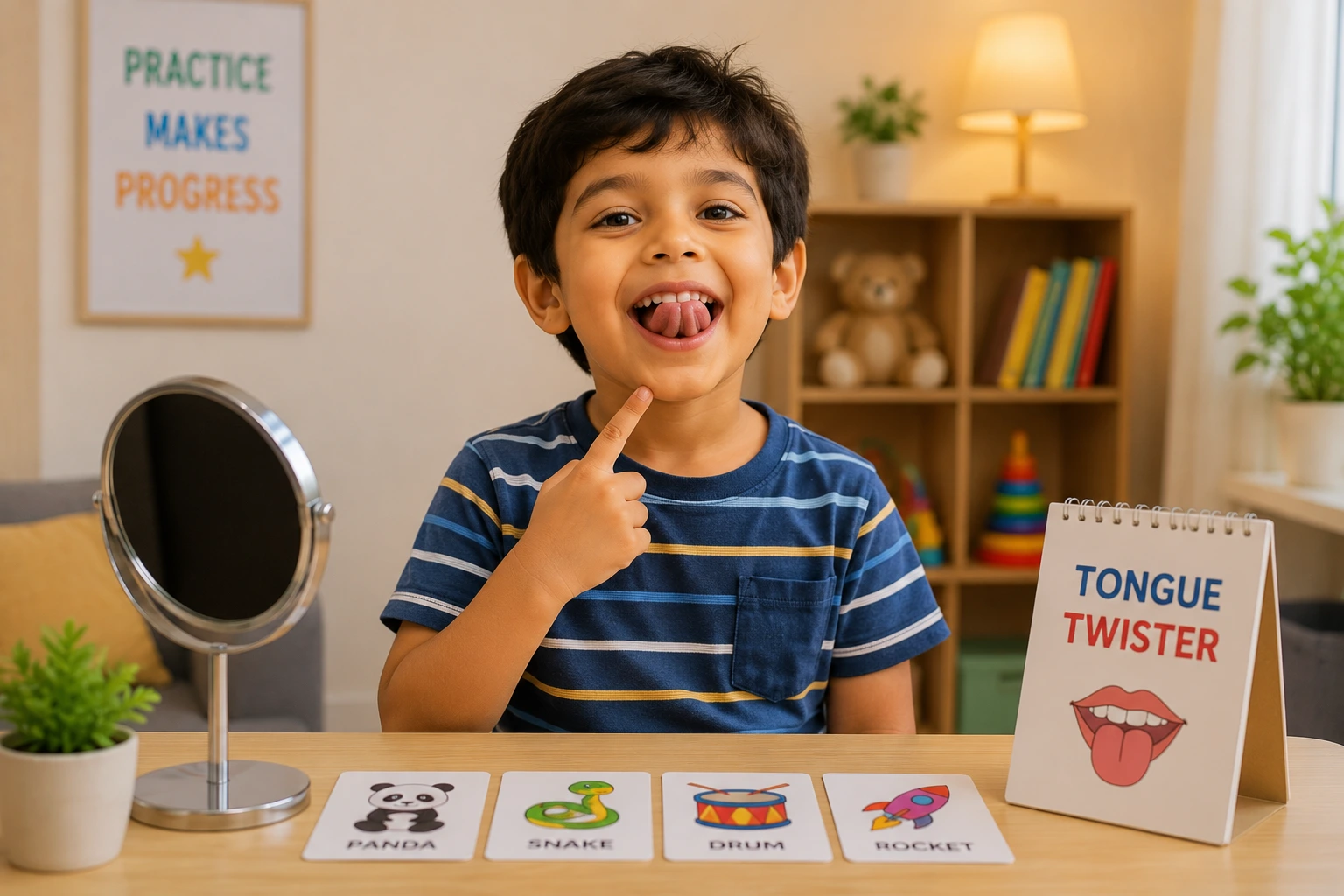
Finding problems early and starting help quickly can make a big difference. Think about speech therapy if:

Getting help early usually helps people improve their communication skills and do better over time.
At Maarga Mind Care, we understand that communication is essential for emotional well-being, personal growth and meaningful relationships. Our speech therapy services are prepared to provide comprehensive and compassionate care for people of all ages.

Individuals seeking comprehensive mental healthcare may benefit from consulting a qualified psychiatric doctor in India within an established mental hospital setting that offers multidisciplinary support and integrated care services.

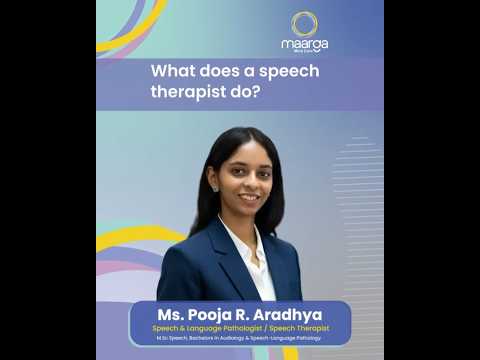
Speech issues? See how a Speech Therapist can help — Pooja, Maarga, Bangalore
What is Child Language Disorder and the types of Child Language Disorder explains speech therapist?
Red flags which means you need to consult a speech therapist explains Ms Pooja, Maarga Bangalore
Pooja Aradhya, Speech Therapist explains what is expressive language delay and how to avoid this?
How does a speech therapist help in autism explains Pooja Aradhya, Speech Therapist, Maarga
Pooja, Speech Therapist, Maarga Mind Care describes the role of Speech Language Pathologist in ADHD
What is articulation disorder? How long will the treatment be for? explains Pooja Aradhya, Maarga

How does stuttering start, explains Pooja, Speech Therapist and Pathologist, Maarga Bangalore
When does adult language disorder happen and types of ALD? explains Pooja Aradhya, Speech Therapist
Swallowing Disorders who will treat explains Pooja Best Speech Therapist in Bangalore at Maarga
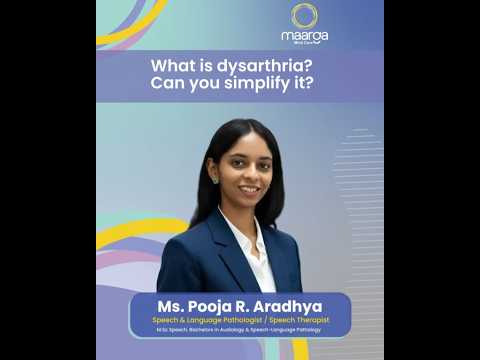
What is dysarthria explains speech therapist in bangalore at Maarga Mind Care
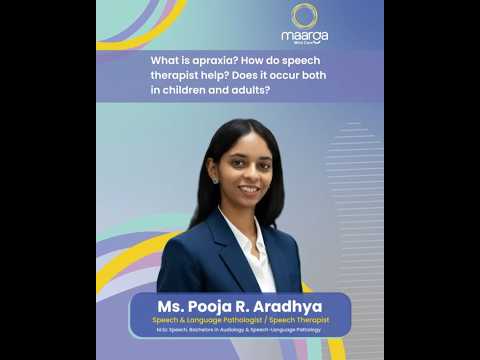
What is apraxia and How do speech therapist help? Does it occur both in children and adults?
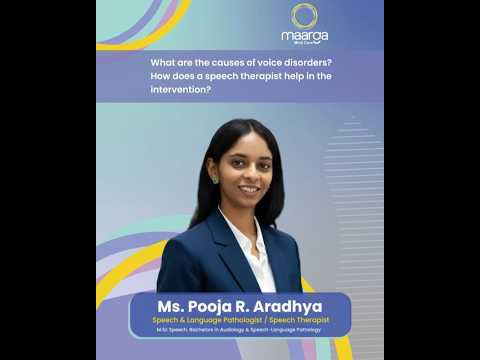
What are the causes of voice disorders? How does a speech therapist help in the intervention?
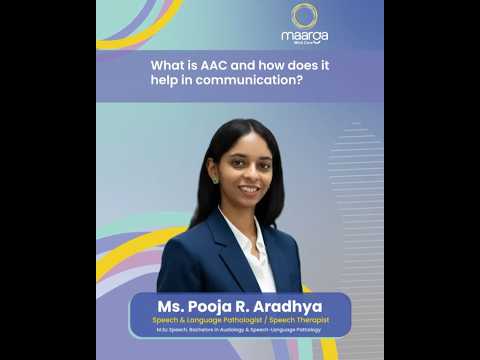
What is AAC and how does it help in communication says Pooja Aradhya, Best Speech Therapist, Maarga


 Book Appt.
 Call
Call
BOOK AN APPOINTMENT
Are you sure you want to close this appointment?
Yes
No