Loading...
Loading...
Alcohol addiction treatment involves a structured and steady approach to support recovery. The process is often gradual to make de-addiction seem manageable and lets you gain control at your own pace. A supportive treatment plan includes a mix of:

Medical detox helps the body adjust safely during withdrawal.
Behavioural therapy helps with drinking patterns and manages cravings.
Counselling offers emotional clarity and supports healthier coping.
Support groups let you connect with people who understand your journey.
Medications offer additional help in quitting and preventing relapse.
Alcohol treatment is a medical and therapeutic process designed to help individuals with alcohol use disorder (AUD). The end-goal of treatment for alcohol addiction is to let you regain control over your health, behaviour, and daily life affected by excessive alcohol consumption.
Alcohol addiction is a chronic condition that affects brain areas controlling speech, memory, balance, and judgment. Alcohol dependency plays a causal role in diseases, injuries, and other health ailments.
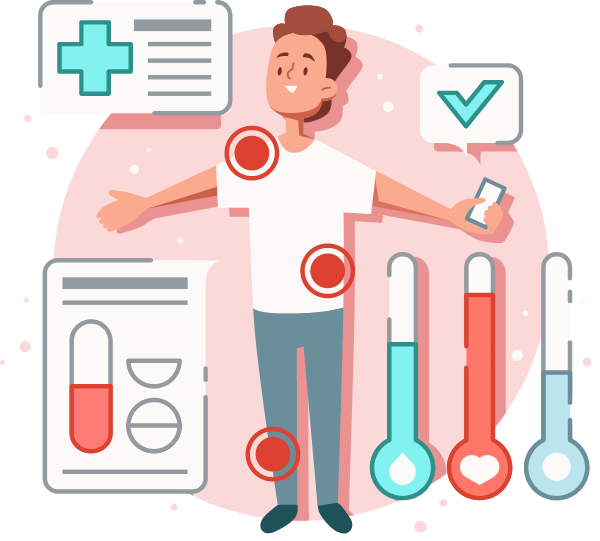
According to the WHO, 2.6 million deaths worldwide were linked to alcohol consumption in 2019. Also, no amount of alcohol is risk-free. Even low levels can cause harm. When it becomes a habit, alcohol addiction treatment becomes paramount.
The treatment plan for alcohol addiction is about building a sustainable path to recovery. Depending on the severity of symptoms, psychological therapies, medications, ongoing support and interventions are part of the treatment.
Note: All treatment decisions are made through professional evaluation. Individualised and medically supervised care is often an integral focus to ensure safety and help each individual cope in their own way.
Alcohol de-addiction treatment works best when it is flexible and aligns with individual needs. Psychologists typically recommend a mix of medical and psychological treatment approaches rather than a single method.
The following treatment variations are commonly used as per the NIAAA (National Institute of Alcohol Abuse and Alcoholism) and WHO (World Health Organisation) guidelines:

Behavioural treatments focus on understanding drinking patterns and the motivations behind them to build long-term coping strategies. They include the following categories:
VR Therapy
Virtual Reality (VR) therapy, a part of CBT, creates realistic but controlled environments where you can safely confront triggers linked to alcohol use.
Motivational Enhancement Therapy
This behavioural therapy focuses on building motivation to change drinking behaviour. Carried out over a short duration, the therapy drives you to make active changes in your drinking habits and develop skills to resist urges.
Brief Interventions
A brief intervention typically lasts for 5-10 minutes. It is a counselling session where you get inputs on your drinking patterns and the potential risks they carry. Based on this feedback, the counsellor also offers practical strategies to reduce alcohol use.
Acceptance and Mindfulness-Based Approaches
These approaches teach you to notice triggers that prompt drinking without reacting to them. They aim to improve emotional regulation and strengthen your composure.
Cognitive Behavioural Therapy
A therapist works with you individually or in groups in CBT to identify cues that lead to heavy drinking. Recognising such triggers is the first step. The ultimate goal is to challenge such thoughts and develop healthier responses. Slowly but steadily, CBT helps conquer compulsions to drink.
Family Therapy
Alcohol dependency has overreaching effects. It impacts your relationship with your loved ones. Family therapy addresses this issue and helps restore bonds and strengthen communication to support you in the recovery process.
Contingency Management
A reward-based approach is another effective alcohol de-addiction treatment. In this type of therapy, tangible rewards are used for reinforcing sober behaviour and encouraging continued engagement in treatment sessions.
12-Step Facilitation Therapy
In this programme devised by Alcoholics Anonymous (AA), you are prepared and encouraged to participate in 12-step support groups. This ultimately builds acceptance and accountability in facing your drinking patterns and recovery through community support.
Disulfiram Implantation / Naltrexone implantation
This is a long-acting form of aversion therapy. Disulfiram / Naltrexone is placed under the skin where it is released slowly over several months to help prevent relapse. If you consume alcohol, the implantation causes an unpleasant reaction like vomiting, nausea, headache, etc. Though not approved in India, its still used by doctors with consent from patients.
Detox is often the first step in alcohol addiction treatment, especially for heavy drinking. The process of detoxification comes with withdrawal risks. Common withdrawal symptoms include disturbed sleep, headache, anxiety, etc., which are worst for the first 48 hours. Hence, it is carried out in a psychiatric hospital like Maarga Mind cCare or a healthcare centre. Such medical supervision enhances safety and helps manage symptoms and withdrawal complications professionally.
Medications are used alone or in combination with behavioural therapy. They help reduce cravings, prevent relapse, and help manage withdrawal. A healthcare professional monitors your addiction profile to prescribe medicine for alcohol addiction.
In addition to medical intervention at the healthcare centres and hospitals, you can also manage mild to moderate alcohol use at home. These options do not replace medical care but complement alcohol addiction treatment.
Telehealth Services
You can connect with therapists or psychiatrists from home to make alcohol use treatment more convenient. Most mental healthcare professionals offer virtual services to guide and track your progress.

Self-help Groups
There are several digital alcohol addiction support groups, open to join both digitally and near your neighbourhood. You can join them to connect with other strugglers to share experiences, stay accountable, and receive encouragement.

Drinking Dairy
Making note of when, why, and how much you drink can help you be more aware, track your progress, and highlight triggers to support your recovery.

Yoga and Meditation
Tackling alcohol addiction depends largely on conviction and emotional regulation. Yoga and meditation help strengthen them. They calm the nervous system, reduce stress, and make you mentally resilient.
Healthy Lifestyle Changes
Staying hydrated, improving sleep routine, eating balanced meals, and staying physically active enhance your overall well-being. This, in turn, supports the journey to sobriety.

No matter the severity of alcohol addiction, a combination of medical detox, behavioural therapies, and medications can benefit immensely. Addiction specialists laud the combination of these treatments as they address both physical effects and emotional triggers of alcohol dependency.
When drinking begins to affect your health, emotions, daily functioning, and relationships, it’s a cause for concern. You should also investigate how difficult it is to control your drinking urges. If you find yourself overconsuming despite adverse health, social, and occupational repercussions, it’s a sign to seek treatment for alcohol addiction.
Simply put, two or more of these symptoms necessitating professional help include:
Feeling a strong urge to drink even when you are trying to cut down.
Drinking more than intended or spending a lot of time recovering from alcohol use.
Frequent mood changes, anxiety, and sleep issues during periods of alcohol consumption.
Physical symptoms like tremors, sweating, restlessness, nausea, etc., when you stop drinking.
Missing responsibilities, getting into serious accidents, or distancing from loved ones, due to alcohol use.
Increased tolerance to alcohol, making you drink more than usual.
If drinking has started overwhelming and out of control, you deserve care where you’re understood and supported with specially curated treatment. We uphold this vision at Maarga Mindcare. Our team of psychiatrists and addiction specialists create personalised treatment plans based on the NIAAA and WHO guidelines. With comprehensive assessments, guided detoxification, behavioural therapies, relapse prevention, and medications, we uplift your recovery journey every step of the way. We focus on reassurance and understanding rather than control and coercion.

Where do teens first get exposed to alcohol, cigarettes, or drugs?| Maarga Mind Care
If anyone who needs an alcohol rehab program, enroll them in a deaddiction center says Dr.Vinay
Addiction is high in youth and old age. Off late it is common in females too says Dr. Vinay Saini
Detailed history of addiction helps Drs to plan the treatment, therapy during a deaddiction rehab
Addiction issues in urban and rural India explains, Dr Vinay Saini, Psychiatrist, Maarga Mind Care
Dr Vinay Saini, Psychiatrist, Maarga Mind Care explains types of addiction
Is addiction hereditary explains Dr Vinay Saini, Psychiatrist at Maarga Mind Care, Gurugram
What are the signs of addiction? Explains Dr. Vinay Saini, Psychiatrist, Maarga Mind Care, Gurugram
Addiction causes aggression and they get involved in gambling etc. Why explains Dr. Vinay, Maarga
🚨 What are the symptoms of addiction? |🚨 नशे की लत के लक्षण क्या हैं?| Maarga Mind Care
Disclaimer
The information provided on this page is for educational purposes only and does not replace professional medical consultation. Alcohol addiction treatment results vary from person to person. Please consult a specialist psychiatrist or psychologist for personalised care. If you or your loved one is struggling with Alcohol addiction, reach out to Maarga Mind Care – a trusted psychiatric hospital in India. Our experts can help you start your journey to recovery.

 Book Appt.
 Call
Call
BOOK AN APPOINTMENT
Are you sure you want to close this appointment?
Yes
No