rTMS Therapy for Advanced Mental Health Treatment

Second-Card

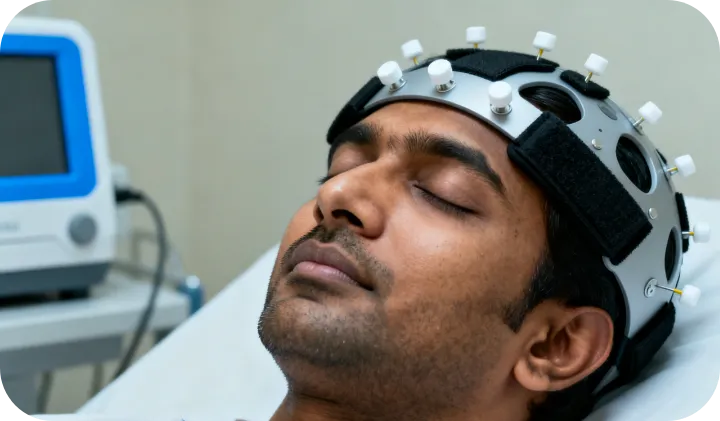
Repetitive Transcranial Magnetic Stimulation (rTMS) therapy is a non-invasive neuromodulation technique that uses magnetic pulses to stimulate specific nerve cells in the brain. Unlike older methods, it does not involve surgery, anaesthesia or systemic medication. Instead, it works by placing a magnetic coil against the scalp, which delivers focused pulses to areas of the brain known to regulate mood and emotional control.

Think of it as tuning the brain’s electrical activity. When certain circuits become underactive, the magnetic fields help restore a healthier balance. Since the pulses are localised, exact regions needing support can be targeted without affecting the rest of the body, making it a distinct alternative for those who have not seen results from standard antidepressants or talk therapies.

Second-Card

Conditions Treated with rTMS Therapy

At Maarga Mind Care, we utilise rTMS treatment to address a variety of neuropsychiatric conditions where brain signalling may need recalibration.

Treatment-Resistant Depression (TRD): This is the most common application. It is often suggested for individuals who have tried multiple antidepressant medications without much improvement. It targets the dorsolateral prefrontal cortex.

Anxiety Disorders: By targeting the prefrontal cortex, the therapy can help dampen the overactivity associated with chronic fight or flight responses. This can help the brain regain its ability to self-regulate.

Obsessive-Compulsive Disorder (OCD): Certain protocols focus on the supplementary motor area to help reduce the frequency and intensity of intrusive thoughts and compulsions.

Post-Traumatic Stress Disorder (PTSD): rTMS can be helpful in modulating the brain's emotional processing centres, such as the amygdala, which become hyper-reactive following trauma.

Nicotine Addiction: The therapy is sometimes used to reduce cravings by stimulating reward pathways, making it easier for individuals to break the cycle of physical dependence.

Chronic Pain and Migraines: Evidence suggests that stimulating the motor cortex can interfere with pain signalling, providing relief for some types of neurological pain.

Bipolar Depression: When used cautiously, it can be an effective tool for the depressive phase of bipolar disorder when traditional mood stabilisers need a biological boost.

Post-Stroke Rehabilitation: In some instances, magnetic stimulation can help brain plasticity, encouraging the rewiring of motor pathways after a neurological event.

Generalised Cognitive Decline: Protocols are being explored to help improve executive function and memory in the early stages of cognitive impairment.

Benefits of rTMS Therapy

Choosing a path for mental wellness is a personal decision. At Maarga Mind Care, we believe the benefits of this technology lie in its ability to offer a middle ground between daily medication and intensive procedures.

Benifits-Icon-1

Non-Invasive Nature

There are no needles, incisions or need for sedation. You stay fully awake and alert throughout the process, allowing you to maintain total control.
Benifits-Icon-2

Lack of Systemic Side Effects

Unlike medications, these magnetic pulses are localised to the head. This makes it an excellent choice for those sensitive to pharmacological side effects like weight gain or nausea.

Benifits-Icon-3

High Precision

rTMS allows healthcare providers to target specific clusters of neurons with millimetre-level accuracy, ensuring the stimulation goes exactly where it is needed.
Benifits-Icon-4

Minimal Downtime

Since rTMS is an outpatient procedure, you can drive yourself to our centre, have your session and immediately return to your daily routine without the need for a recovery period.
Benifits-Icon-5

Long-Lasting Results

For many, the improvements in mood and cognitive function persist for months or years after the initial course, as the brain maintains its new tuning.
Benifits-Icon-6

Complementary to Other Care

Best results are often seen when this is used alongside psychotherapy, as it can prime the brain to be more receptive to emotional work.

Benifits-Icon-7

High Success Rates

Clinical studies show a large percentage of patients who did not respond to medications see a reduction in symptoms with this therapy.
Benifits-Icon-8

Improved Cognitive Clarity

Patients also report an improvement in brain fog, memory and concentration as the neural circuits responsible for executive function fire more efficiently.
Benifits-Icon-9

No Anaesthesia Recovery

Unlike Electroconvulsive Therapy (ECT), there is no memory loss associated with this process, and no recovery room time is required after your appointment.

What to Expect in rTMS Therapy?

Understanding the rTMS therapy process can help alleviate any white coat anxiety. It is a structured but comfortable experience made to fit into a modern lifestyle.

thearpy-expect
  • The Initial Consultation: The process starts with a thorough assessment to ensure you have no contraindications, such as metal implants in the head, pacemakers or a history of seizures.
  • Brain Mapping (Motor Threshold): During your first session, the exact location and dosage of the magnetic pulse are determined. This involves identifying the intensity required to cause a slight, painless twitch in your thumb.
  • The Treatment Session: You will be seated in a comfortable chair, and a padded magnetic coil will be placed gently against your scalp over the target area.
  • The Sensation: You will hear a clicking sound and feel a tapping sensation on your head. Most people watch television, listen to music or chat with us during the session.
  • Duration: A typical session lasts between 20 to 40 minutes, depending on the protocol used for your condition.
thearpy-expect
  • Frequency: For the best outcomes, generally, sessions are recommended for five days a week for a period of four to six weeks. Consistency is vital for training the brain.
  • Tapering Phase: As you reach the end of your course, a tapering schedule is suggested to ensure the brain remains stable as the stimulation is reduced.
  • Ongoing Monitoring: Standardised mood scales and clinical interviews are used throughout the weeks to track your progress and adjust intensity if necessary.
  • A Supportive Environment: Throughout each session, our staff are present to ensure you are comfortable, providing water, adjusting seating and answering any questions that arise.
rTMS-Side-effects

Side Effects of rTMS Therapy

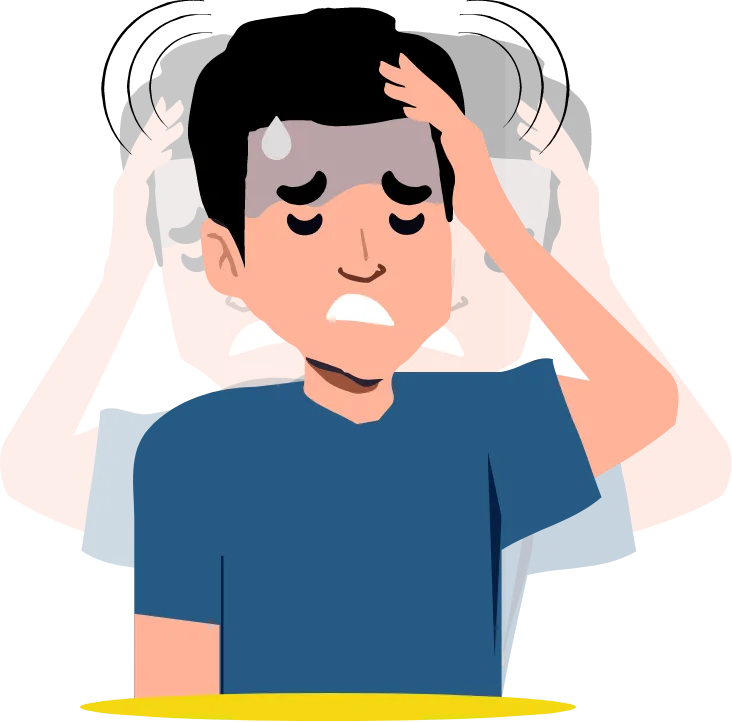
While rTMS is considered one of the safest modern psychiatric interventions, we believe in being transparent about what you might feel. Most side effects are mild and occur only during or immediately after the session.

  • Scalp Discomfort: Some individuals may feel a slight tingling or tapping sensation during the session. The coil position can be adjusted to make the session more comfortable.
  • Mild Headaches: A temporary, dull headache after the first few sessions is common. Standard over-the-counter pain relief can help reduce the headache as treatment progresses.
  • Facial Twitching: During the session, the magnetic field may cause some temporary, harmless twitching of the eye or jaw muscles. This stops the moment the machine pauses.
  • Light-Headedness: On rare occasions, you might feel slightly dizzy immediately after standing up, but this typically resolves within minutes.
  • Hearing Sensitivity: Because the machine makes a clicking noise, earplugs or noise-cancelling headphones may be provided to protect your hearing during the procedure.
  • Minimal Risk of Seizure: While the occurrence of seizures can be extremely rare, healthcare providers monitor all sessions closely to ensure maximum safety and strictly follow safety guidelines.
  • Scalp Redness: Occasionally, the skin directly under the coil may appear slightly pink for a few minutes after the session, similar to a mild pressure mark.
  • Temporary Fatigue: Some patients feel mentally tired after the first few sessions, which is normal after a long period of intense concentration.
  • Neck Aches: Occasionally, sitting in the same position for 30 minutes can lead to minor neck stiffness, which can be easily managed with gentle stretching.

When to Seek rTMS Therapy?

Recognising when it is time to try a different approach is a sign of strength. We encourage looking into this option when standard paths feel like they have hit a dead end or when you want a proactive biological approach.
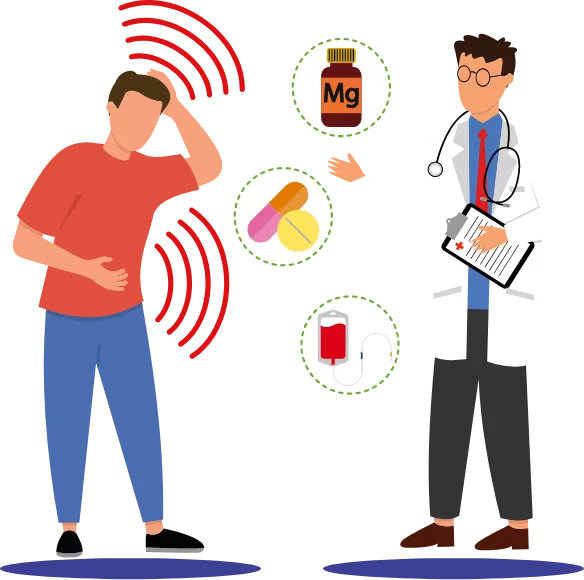
  • Medication Fatigue: If you have tried several antidepressants and the side effects outweigh the benefits, it may be time to consider a non-drug alternative.
  • Persistent Symptoms: When talk therapy is helpful but you still feel a biological heaviness that won't lift, stimulation can be used to address the physiological side of the condition.
  • Desire for Non-Systemic Treatment: For those who prefer to keep their bodies free of pharmacological chemicals, we offer this as a targeted biological intervention.
  • Preparation for Life Changes: If you are heading into a stressful period and want to ensure your brain's resilience is at its peak, we can discuss maintenance protocols.
rTMS-why-seek
  • When Standard Isn't Enough: If you have reached a plateau in your recovery and are looking for one of the most modern, scientifically backed methods to break through.
  • Search for Evidence-Based Alternatives: If you are looking for a treatment that is fully approved by health bodies for its safety and efficacy.

Our Specialist

Dr. Girishchandra B G

Medical Director and Senior Consultant – Adult Psychiatrist
Read More BOOK AN APPOINTMENT

Dr. Vinodh Sreeram

Senior Consultant - Adult Psychiatrist & Addiction Specialist
Read More BOOK AN APPOINTMENT

Dr. Gayathri K

Senior Consultant - Child Psychiatrist
Read More BOOK AN APPOINTMENT

Dr. Krutika Ainapur

Senior Consultant - Adult Psychiatrist & Sexologist
Read More BOOK AN APPOINTMENT

Dr. Manasvi. M

Consultant Adult Psychiatrist
Read More BOOK AN APPOINTMENT

Dr. Sapare Rohit

Consultant Psychiatrist
Read More BOOK AN APPOINTMENT

Dr. Kavya C

Consultant Psychiatrist
Read More BOOK AN APPOINTMENT

Dr. R Prabhu

Consultant Child & Adolescent Psychiatrist
Read More BOOK AN APPOINTMENT

Dr. Sharanabasappa

Consultant Psychiatrist
Read More BOOK AN APPOINTMENT

Dr. Madusudhan

Consultant Psychiatrist
Read More BOOK AN APPOINTMENT

Our Reviews & Testimonials

Why Choose Maarga for rTMS Therapy?

Maarga Mind Care strive to be one of the leading names in mental healthcare by combining clinical rigour with a human touch. Our approach is built on the belief that everyone deserves access to the latest neurological advancements.


  • Clinical Excellence: We pride ourselves on being one of the premier facilities utilising state-of-the-art technology to deliver precise, effective care.
  • Personalised Protocols: We don’t believe in a one-size-fits-all approach; we offer various rTMS therapy types, such as Deep TMS or Theta Burst Stimulation (TBS), depending on your profile.
  • Expert Supervision: Our team is trained in the latest neuro-navigation techniques to ensure the coil is placed with absolute accuracy every single time.
  • Holistic Environment: We treat the person, not just the diagnosis. Our sessions take place in a calming, supportive atmosphere, created to promote relaxation.
  • Integrated Care: We work closely with your existing therapists to ensure your progress is tracked across all areas of your life, creating a seamless circle of care.
  • Commitment to Research: As one of the dedicated centres for neuromodulation, we stay at the forefront of global clinical updates to bring you the most effective protocols available.
  • Long-Term Support: We provide follow-up assessments and maintenance schedules to ensure your wellness is sustained over the long term.
  • Patient-Centred Flexibility: We offer flexible scheduling to make sure your path to recovery fits into your professional and personal commitments.
Why-Choose-img
Faq-bg

FAQs 

Faq-bg

It’s a way of using gentle magnetic pulses to wake up or calm down specific parts of your brain that regulate how you feel.

Most people struggling with depression or anxiety who haven’t found relief through traditional medicine or therapy can opt for rTMS therapy.

rTMS is considered one of the most effective treatment options for stubborn depression, with many individuals seeing a lift in their mood.

Most people just experience a bit of a scalp tingle or a mild headache during the first few days, which goes away quickly.

For a lasting impact, we typically suggest daily sessions over a five-to-six-week period for the best possible results.
Book Appt Icon Book Appt. Whatsapp Icon Call

Call Us

×
+

BOOK AN APPOINTMENT

Are you sure you want to close this appointment?

Yes

No