Loading...
Loading...
Mental health ailments like depression, anxiety, ADHD and cognitive decline can significantly affect daily life, relationships and overall well-being. While psychotherapy and medications remain important treatment options, some individuals may experience symptoms despite receiving conventional care. In such situations, modern neuromodulation therapies can provide additional support.
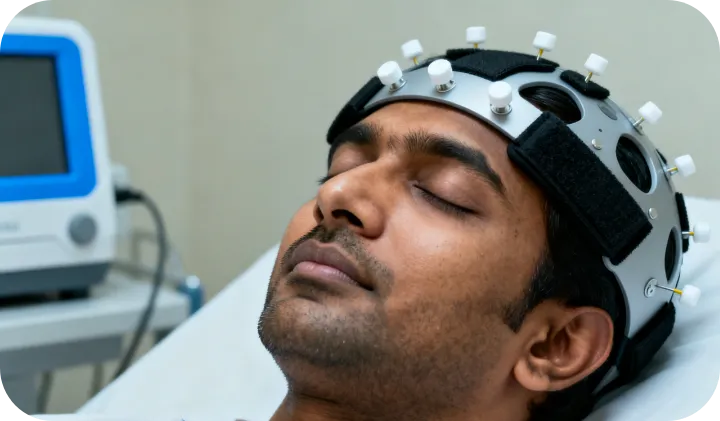
Transcranial Direct Current Stimulation (tDCS) is a non-invasive brain stimulation technique that uses low-intensity electrical currents to gently influence brain activity. It helps brain cells work better together and boosts the brain's natural ability to adapt and heal itself, called neuroplasticity.
Unlike invasive procedures, tDCS therapy does not involve surgery, injections or anaesthesia. Small electrodes are placed on distinct areas of the scalp, allowing carefully controlled currents to pass through targeted brain regions. These currents are extremely mild, typically between 1 and 2 milliamperes, and are designed to either stimulate underactive areas or calm overactive regions of the brain.
At Maarga Mind Care, tDCS is delivered under the supervision of experienced psychiatrists and trained mental health professionals using clinically approved protocols. The therapy may be used independently or alongside psychotherapy, medications and lifestyle interventions as part of a comprehensive treatment plan.
Transcranial Direct Current Stimulation (tDCS) is a scientifically validated neuromodulation treatment that works by delivering a constant, low-level electrical current through a specialised tDCS device.
The therapy does not force neurons to fire. Instead, it changes the likelihood of nerve cells becoming active, helping the brain function more efficiently. Repeated sessions can strengthen healthy neural pathways and improve emotional regulation, concentration, memory and cognitive functioning.
A modern tDCS machine allows clinicians to precisely control stimulation parameters, ensuring treatment remains safe, comfortable and tailored to each individual's needs.
As research in neuroscience continues to grow, tDCS has gained attention as a promising option for various psychiatric and neurological conditions due to its safety profile, accessibility and ability to complement existing treatments.
At Maarga Mind Care, tDCS therapy may be recommended for several mental health and neurological conditions.
Depression
Depression is one of the most widely researched applications of tDCS. Stimulation of specific areas within the prefrontal cortex can help improve mood regulation, motivation and emotional resilience. It may be particularly beneficial for individuals who have experienced limited improvement with antidepressant medications alone.
Anxiety Disorders
People with ongoing anxiety often experience worry, nervousness, and stress. tDCS can help balance brain networks that handle emotions, which may reduce anxiety symptoms and improve emotional stability.
Attention-Deficit Hyperactivity Disorder (ADHD)
Individuals with ADHD frequently struggle with focus, organisation and impulse control. Targeted stimulation may enhance attention networks within the brain, helping improve concentration and executive functioning.
Fibromyalgia and Tinnitus
tDCS may help individuals dealing with fibromyalgia and tinnitus by modulating abnormal neural activity linked to pain perception and auditory processing. Some individuals experience relief from persistent discomfort, improved sleep and better overall quality of life when therapy is incorporated into a broader treatment plan.
Neurological and Movement Disorders
tDCS is being explored as a supportive therapy for certain neurological and movement disorders, where targeted stimulation may help improve motor control, coordination and daily functioning. It may also assist rehabilitation efforts when combined with physiotherapy and other interventions.
Schizophrenia
In selected cases, tDCS may help reduce specific symptoms of schizophrenia, including negative symptoms and auditory hallucinations, when used alongside psychiatric care and medication management under professional supervision.
Substance Abuse and Rehabilitation Support
tDCS may support addiction recovery programmes by helping regulate brain circuits involved in cravings, impulse control and emotional regulation. It can be incorporated into a comprehensive rehabilitation approach alongside counselling and behavioural therapies.
Chronic Pain
Certain chronic pain conditions are associated with abnormal activity within pain-processing networks in the brain. tDCS can help modulate these pathways, potentially reducing pain perception and improving quality of life.
Sleep Disorders
Poor sleep often contributes to worsening mental health symptoms. By helping regulate brain activity involved in sleep and emotional regulation, tDCS may support healthier sleep patterns.
Obsessive-Compulsive Disorder (OCD)
Targeted neuromodulation may assist in reducing intrusive thoughts and compulsive behaviours when used as part of a broader treatment approach.
Post-Traumatic Stress Disorder (PTSD)
Individuals recovering from trauma may benefit from improved emotional regulation and reduced hyperarousal through carefully designed stimulation protocols.
Cognitive and Learning Difficulties
Some emerging evidence indicates that tDCS may support memory formation, learning efficiency and information processing in selected individuals under clinical supervision.
The growing popularity of tDCS is largely due to its distinctive combination of effectiveness, safety and convenience.

Non-Invasive Treatment
No surgery, needles or anaesthesia are required. The procedure is entirely external and performed while the individual remains awake and comfortable.

Safe and Well-Tolerated
The electrical currents used are extremely low and remain well below any harmful threshold. Most individuals tolerate treatment exceptionally well.

Supports Neuroplasticity
tDCS encourages the brain's natural ability to create and strengthen neural connections, supporting long-term improvements in emotional and cognitive functioning.
Minimal Side Effects
Compared with many psychiatric medications, tDCS generally produces fewer systemic side effects because the stimulation is targeted directly to specific brain regions.

Can Complement Existing Treatments
The therapy can be combined with psychotherapy, medications, mindfulness practices and behavioural interventions to enhance overall treatment outcomes.

Improved Mood Regulation
Many individuals report improvements in mood, motivation, emotional balance and daily functioning after a course of treatment.

Better Cognitive Function
The therapy may support memory, attention, learning and executive functioning by strengthening relevant neural networks.

No Recovery Time
Following a session, individuals can immediately return to work, studies or daily activities without restrictions.
Personalised Treatment
Each treatment plan is customised according to the individual's diagnosis, symptoms and clinical goals.
Understanding the treatment process can help ease uncertainty and improve comfort before starting therapy.

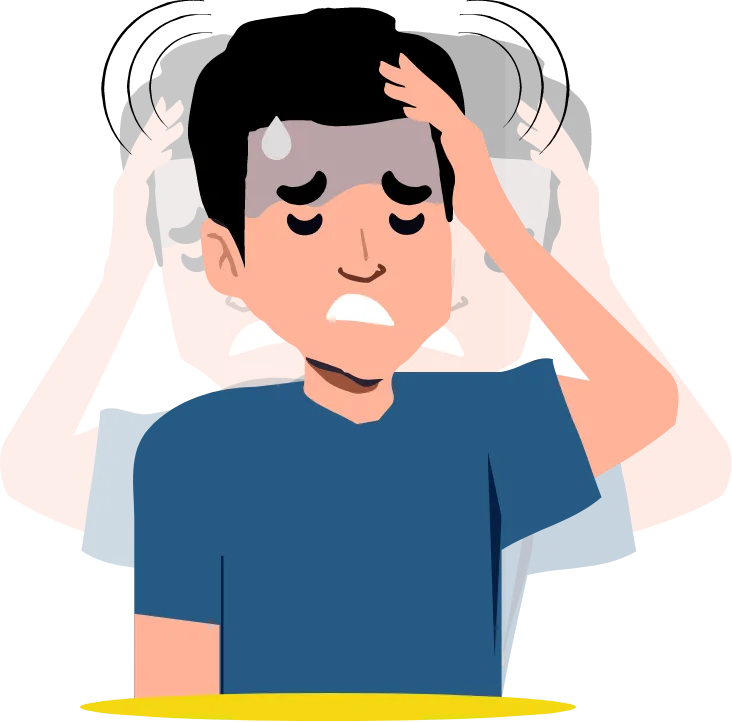
One of the reasons Transcranial Direct Current Stimulation has gained widespread clinical interest is its excellent safety profile.
Most of the side effects are mild and temporary, resolving shortly after treatment.
At Maarga Mind Care, every session is supervised and conducted according to established safety guidelines to minimise risks and maximise therapeutic benefit.
You may benefit from exploring tDCS therapy if:

Early intervention often leads to better outcomes, making it paramount to seek professional guidance when symptoms begin affecting quality of life.
At Maarga Mind Care, we combine scientific excellence with compassionate care to provide personalised neuromodulation treatments.


Dr. Girishchandra B G

Dr. Vinodh Sreeram

Dr. Krutika Ainapur






Dr. Bhagwat Narayan Rajput

Dr. Lav Kaushik

Dr. Shraddha Chaudhary
Dr Mouryadeep, Psychiatrist bursts the myths related to the side effects of tDCS treatment
Maarga Mind Care's psychiatrist Dr Mouryadeep explains the side effects of tDCS treatment
Dr Mouryadeep, Adult Psychiatrist and Sexologist, Maarga Mind Care explains what is tDCS?
Maarga Mind Care's Dr Mouryadeep, Adult Psychiatrist explains in which condition is tDCS prescribed.
Maarga Mind Care's best psychiatrist Dr Mouryadeep , Maarga Bangalore explains how tDCS works
What is tDCS explains Maarga Mind Care's psychiatrist and sexologist Dr Mouryadeep.
Maarga Mind Care's Best Psychiatrist Dr Mouryadeep explains how tDCS works

Maarga Mind Care's best psychiatrist explains when is tDCS advised?


 Book Appt.
 Call
Call
BOOK AN APPOINTMENT
Are you sure you want to close this appointment?
Yes
No