Loading...
Loading...
Bipolar disorder is a long-term mental health condition characterised by significant changes in mood, energy, activity levels, thinking patterns and behaviour. These changes may take place in the form of mood episodes, including mania, hypomania and depression, and are significantly different from an individual’s usual emotional responses to everyday events.
Bipolar disorder treatment generally involves a combination of mood-stabilising medication, psychological therapy and lifestyle management. Mood stabilisers help regulate any fluctuations in mood and reduce relapse-risk. Cognitive and behavioural therapies help with regulating emotions, routine management, and recognising early signs of relapse. Lifestyle management primarily focuses on maintaining regular sleep patterns, a structured daily routine, and stress reduction. Together, these elements form an evidence-based approach to safely and effectively manage bipolar disorder.
This treatment is structured, medically supervised, and designed to stabilise the mood, reduce the severity of symptoms, prevent or recognise early relapse, and support the patient’s long-term psychological and functional wellbeing.
Globally, bipolar disorder is recognised as a leading contributor to disability. Because it is recurrent, treatment is not focused solely on managing acute episodes. Instead, it is based on continuity of care, early intervention, and long-term maintenance to minimise interference to personal, social and work functioning. Effective treatment for bipolar disorder is practical. It aims to:

Maintain
mood stability
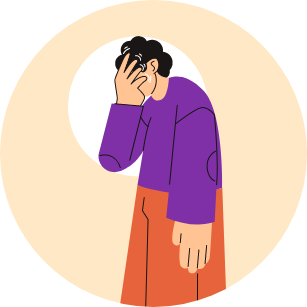
Reduce the frequency, duration, and severity of mood episodes
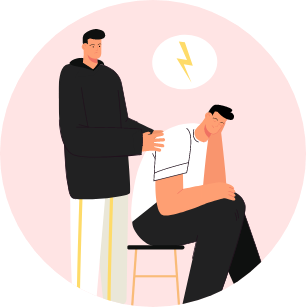
Prevent relapse and reduce the need for repeated hospitalisation

Preserve the cognitive, emotional, and social functioning

Improve overall quality of life and day-to-day functioning
It is important to note that bipolar disorder treatment is not static. Symptoms, triggers, and treatment response may change over time, which makes regular review and adjustment necessary. A well-structured treatment plan is built on the patient's current clinical needs and the prediction of future risks. At its core, this treatment is built on three interconnected pillars:

Medication to regulate mood and prevent relapse
Psychological and psychosocial therapies to strengthen coping and manage symptoms
Lifestyle, behavioural, and hospitalisation interventions when clinically necessary.
Modern bipolar disorder therapies are highly personalised. The specific diagnosis of the patient (Bipolar I disorder, Bipolar II disorder, or cyclothymic disorder) guides the treatment plan. It also takes into account the nature of current and past mood episodes, responses to prior treatment, physical health and psychosocial circumstances. Clinical evidence consistently shows that personalised treatment may lead to better long-term outcomes.

Medication is the foundation of treating bipolar disorder, particularly for moderate to severe presentations of the disorder. Long-term pharmacological management is recommended across international clinical guidelines as a central part of treatment and care.

Mood Stabilisers
Mood stabilisers are prescribed to manage acute mood episodes and reduce the risk of recurrence. Lithium is one of the most extensively researched medications in psychiatry and psychiatrists widely recommend it as a first-line treatment for bipolar disorder.

Antipsychotic Medications
Second-generation (atypical) antipsychotics also play an important role in bipolar disorder treatment in adults, especially for acute manic episodes. Some agents are also indicated for bipolar depression and long-term maintenance therapy. These medications act on neurotransmitter systems that help with mood regulation.

Antidepressants
Antidepressants may be used mainly for bipolar depression, but they are generally prescribed along with a mood stabiliser or antipsychotic. Clinical evidence cautions against singular antidepressant therapy due to the risk of triggering manic episodes or rapid cycling.
Medication alone does not address the full impact of bipolar disorder. It is also necessary to integrate psychological interventions to support emotional regulation, and functional recovery.
Cognitive Behavioural Therapy (CBT)
Cognitive Behavioural Therapy helps in identifying and modifying unhelpful behaviours and thought patterns that may be contributing to mood instability in patients. When used effectively, CBT can:
Reduce depressive symptoms
Improve treatment observance
Enhance coping strategies and prevent relapse
CBT is particularly beneficial during periods of mood stability.
Psychoeducation
Psychoeducation is a core element of managing bipolar disorder. Structured psychoeducation programmes focus on helping the patient understand the condition, recognise early warning signs, maintain regular sleep patterns and adhere to treatment plans. Psychotherapy can significantly reduce relapse rates and improve long-term outcomes when combined with appropriate medication.
Interpersonal and Social Rhythm Therapy (IPSRT)
IPSRT addresses the strong connection between mood stability and daily routines. Disruptions in sleep cycles, social rhythms and daily structure are well-recognised triggers for mood episodes. This therapy focuses on stabilising the routines, improving interpersonal relationships and supporting the regulation of circadian rhythm.
Family-Focused Therapy
Family-focused therapy includes structured sessions that focus on improving communication, reducing interpersonal stress and strengthening the support systems. Family involvement has been shown to reduce relapse rates and improve overall social functioning.
Psychiatric hospital care plays an important part in treating bipolar disorders particularly during severe or complex mood episodes. Hospital-based treatment may be recommended during or in cases of:
Severe manic or depressive episodes
Noticeable damage in daily functioning
Situations that need close medication monitoring
Periods of significant emotional or behavioural distress
Inpatient care programmes provide a safe, therapeutic environment where symptoms can be managed under medical supervision.
When medication and therapy-focused treatments are insufficient, advanced interventions may be considered under strict and specialist psychiatric supervision.
Electroconvulsive Therapy (ECT)
Electroconvulsive Therapy is a medically regulated treatment that is used mainly for severe bipolar depression, episodes that are resistant to treatment, or situations that require prompt symptom relief. ECT is safe and effective when delivered in controlled clinical settings.
Long-Acting Injectable Medications (LAI)
For individuals who find it difficult to maintain daily medication regimens or take medications orally, long-acting injectable antipsychotics may be better as part of a long-term treatment plan. A LAI is an intramuscular shot that offers a slow release of medication over a period of time such as weeks to months.
Multidisciplinary Integrated Care
Integrated care models bring together psychiatrists, psychologists, psychiatric nurses, occupational therapists, and social workers. This approach is good for symptom control as well as functional recovery, vocational support, and social reintegration.
Research shows that bipolar disorder treatment in adults may be highly effective when it is based on diagnostic evidence, consistent and individualised.
Bipolar disorder affects approximately 1 in 200 people globally.
Long-term treatment significantly reduces relapse and hospitalisation rates.
Combined medication and psychological therapy give better outcomes than medication alone
Early and consistent treatment intervention improves long-term prognosis
It is important to clarify that there is currently no definitive method for curing bipolar disorder. However, with appropriate treatment, many individuals can have long periods of stability, meaningful relationships, and productive working lives. The most effective bipolar treatment is one that is continuous, regularly reviewed, and supported by regular monitoring.
Seeking professional support is essential when mood changes become persistent, repeated or begin to interfere with everyday functioning. Occasional emotional fluctuations can occur and are common in response to stressors. But bipolar disorder involves patterns of mood shifts that typically require psychiatric diagnosis and care for long-term stability.
You should consider seeking professional help if you experience
It is also important to seek help when emotional changes disrupt your routine. Difficulty maintaining regular sleep cycles, appetite changes, removal from social interactions, or inconsistent productivity can signal the need for a psychiatric evaluation. Addressing these concerns early on is important for effective treatment and preventing the escalation of symptoms.
Psychiatric care may be recommended when symptoms significantly impair daily functioning or require close clinical monitoring. In such cases, hospital care allows for safe medication initiation or adjustment, regular observation, and coordinated therapeutic support in a controlled environment.
Maarga Mindcare offers comprehensive bipolar disorder therapy treatment grounded in clinical expertise and compassionate care. Key aspects of Maarga’s approach include:
Consultant-led psychiatric evaluation and diagnosis
Individualised, guideline-aligned treatment planning
Evidence-based medication management with careful monitoring
Integrated psychological and psychosocial therapies
Structured inpatient and outpatient programmes
Emphasis on dignity, confidentiality, and continuity of care
All treatment protocols align with internationally recognised standards.

Disclaimer
The information provided on this page is for educational purposes only and should not replace professional medical consultation. Depression treatment outcomes vary from person to person. Please consult a qualified counsellor or psychiatrist for personalised care. If you or someone you know is experiencing persistent sadness, emotional distress, or thoughts of self-harm, reach out to Maarga Mindcare — a trusted psychiatric and neurological care centre in India.

 Book Appt.
 Call
Call
BOOK AN APPOINTMENT
Are you sure you want to close this appointment?
Yes
No