
Loading...
Loading...
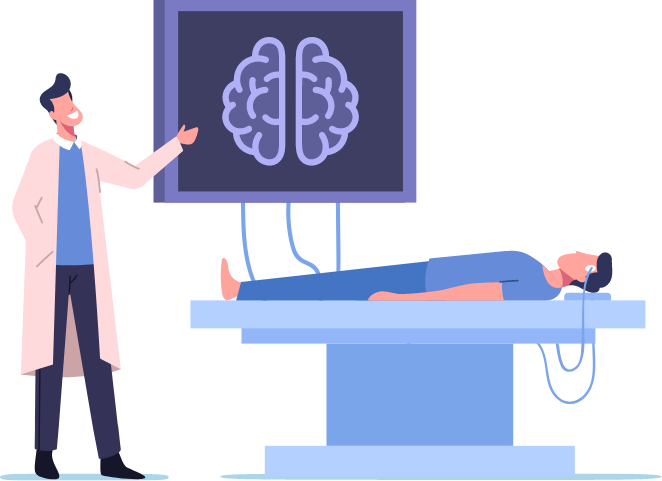
Electroconvulsive therapy, or ECT, is one of the most clinically established and evidence-based biological interventions in modern psychiatry. It focuses on the connection between brain activity, chemical balance and emotional regulation. Many severe mental health concerns are fuelled by deep-rooted neurological patterns that influence mood, physical health and daily functioning. This therapy helps individuals reset these patterns, stimulating the brain’s natural ability to recover, restoring a healthier state of mental well-being.
The treatment is only considered when a person requires a rapid response or when other traditional methods have not provided sufficient relief. While it has been the subject of much debate in the past, contemporary medical standards have transformed it into a painless, highly regulated procedure. It remains one of the most vital tools available to clinicians today for helping patients navigate through the most challenging periods of their mental health journey.
While many believe that mental health care relies solely on talking therapies or medication, biological interventions are sometimes essential for certain complex conditions. Clinical practitioners usually recommend this approach for:
Severe Depression: Utilised when an individual is in a state of acute crisis, such as being unable to eat or drink, or when they are at immediate risk of self-harm.
Treatment-Resistant Depression: For those who have tried multiple courses of antidepressants and psychological therapies without much improvement.
Mood Stabilisation: A critical tool for managing intense manic episodes or mixed states where symptoms of both mania and depression occur simultaneously.
Catatonia: A condition where a person becomes unresponsive or exhibits purposeless and agitated movements. ECT is often recommended as a first-line treatment to reset neural pathways.
Schizophrenia: Recommended when the condition includes catatonic features or has not responded to antipsychotic medication.
Organic Brain Disorders: Psychiatric symptoms resulting from neurological conditions or Parkinson's disease mostly respond well to this intervention.
Agitation in Dementia: When severe distress or aggression in elderly patients cannot be managed safely with medication.
The clinical decision to use this therapy is guided by the need for speed. In psychiatry, early intervention protects brain health. The longer a brain remains in severe, untreated distress, the more the neural pathways associated with wellness begin to degrade. By intervening biologically, clinicians can halt this decline much more effectively than with oral medications alone, which must pass through the digestive system and the blood-brain barrier before they can work.
In many cases, ECT is also considered for Neuroleptic Malignant Syndrome, a rare but life-threatening reaction to certain medications. Its ability to quickly stabilise the autonomic nervous system makes it a versatile tool in emergency psychiatry. Furthermore, for patients suffering from Psychotic Depression, where a person loses touch with reality alongside their low mood, ECT may prove more effective than combining antipsychotics with antidepressants, as it addresses the biological root of both symptoms simultaneously.
The decision to undergo such a treatment is based on its ability to produce rapid results when time is of the essence. Key benefits observed include:

A widely discussed benefit of this therapy in modern neurobiology is neurogenesis. Research indicates that the therapeutic stimulus triggers the release of growth factors. These proteins help repair damaged neurons and encourage the building of new connections in the hippocampus, the part of the brain responsible for memory and emotion. The therapy assists the brain in repairing the physical impact caused by prolonged mental illness.
The modern experience of electroconvulsive therapy is designed to be comfortable and stress-free. It is a modified procedure conducted under controlled medical conditions.
The clinical environment is similar to a minor surgical theatre. Psychiatrists use ultra-brief pulse technology, delivering the stimulus in tiny fractions of a second. This crosses the seizure threshold without overstimulating the brain, reducing the cognitive toll compared to older versions. After the session, the recovery curve is fast; most patients return to their normal routine within a few hours.
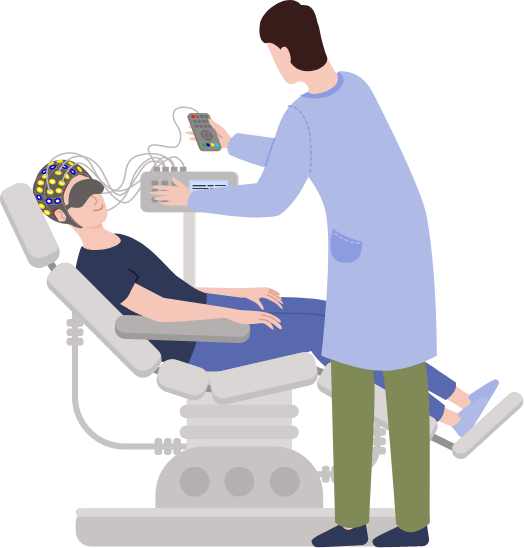
The team also utilises Electroencephalogram (EEG) monitoring during the seizure. This allows the psychiatrist to see exactly how the brain is responding in real-time. By measuring the seizure quality and duration, the clinical team can fine-tune the electrical dosage for the next session. This data-driven approach makes sure each patient receives a treatment that is perfectly calibrated to their specific brain chemistry, maximising the chances of a successful recovery while minimising potential discomfort.
Being well-informed about potential side effects allows patients and families to manage the recovery process effectively.
For the vast majority, memory issues are temporary, returning to normal within a few weeks of the final session. Many report that overall cognitive function improves because the weight of depression is lifted, which itself causes brain fog. Our team monitors these effects session-by-session to balance efficacy and comfort.
To ease memory concerns, clinicians may use unilateral placement, where electrodes are placed on only one side of the head (usually the non-dominant hemisphere). This specific technique is used to achieve the same therapeutic results while protecting the areas of the brain most responsible for verbal memory and language. If a patient is particularly concerned about cognitive effects, the schedule can be adjusted to allow for more recovery time between sessions, so the brain has ample time to rest and integrate the changes.

Seeking help early prevents the revolving door of hospital admissions. When a person is in a crisis, their decision-making is often impaired. Families play a vital role in noticing when a loved one is stuck and suggesting advanced neuromodulation to catch the patient before the illness causes irreversible damage.
Another key indicator is the presence of Melancholic features, such as an absolute loss of pleasure in all activities and a worsening of symptoms in the early morning. These biological markers suggest that the illness is deeply rooted in the brain's circuitry rather than being a purely psychological reaction to life events. In such cases, biological interventions like ECT are the most direct path back to health.

Dr. Girishchandra B G
BOOK AN APPOINTMENT

Dr. Vinodh Sreeram
BOOK AN APPOINTMENT

Dr. Krutika Ainapur
BOOK AN APPOINTMENT






Dr. Bhagwat Narayan Rajput
BOOK AN APPOINTMENT

Dr. Jyoti Kapoor
BOOK AN APPOINTMENT

Dr. Lav Kaushik
BOOK AN APPOINTMENT

Dr. Shraddha Chaudhary
BOOK AN APPOINTMENT

What are the side effects of ECT explains Dr Mouryadeep, Psychiatrist, Maarga Mind Care. Bangalore
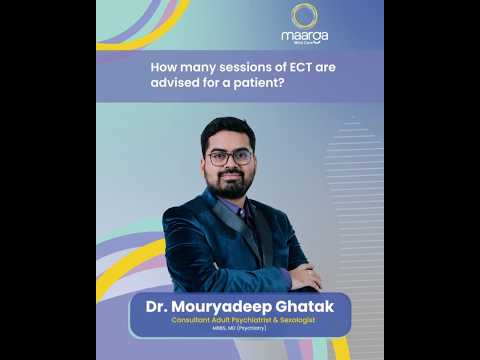
Maarga Mind Care's best psychiatrist in Bangalore explains how many sessions of ECT are advised?

When is ECT advised explains Dr Mouryadeep, Psychiatrist and sexologist, Maarga Mind Care

What is the duration of ECT sessions explains Dr Mouryadeep, Psychiatrist at Maarga Mind Care

ECT Electro Convulsive Therapy, is a Gold standard for treating mental illness says Dr Mouryadeep
Choosing a facility for the treatment of your loved one requires trust in clinical standards and staff compassion. Professionals at Maarga Mind Care view ECT as a vital severe depression treatment option and also a necessary bipolar disorder intervention to restore balance.
The care at Maarga Mind Care extends into the post-acute phase. Once the primary course of treatment is finished, we don't simply discharge the patient; we develop a specific wellness plan, including maintenance sessions or a transition to other neuromodulation techniques like repetitive transcranial magnetic stimulation (rTMS) if required. This long-term commitment is what helps prevent relapse and helps maintain the stability achieved during the treatment for years to come.
The journey to recovery is never a straight line. By providing biological treatment and compassionate support, we aim to bridge the gap between illness and wellness, helping patients return to a life worth living.


 Book Appt.
 Call
Call
BOOK AN APPOINTMENT
Are you sure you want to close this appointment?
Yes
No