Ketamine Therapy for Complex Mental Health Conditions

Second-Card

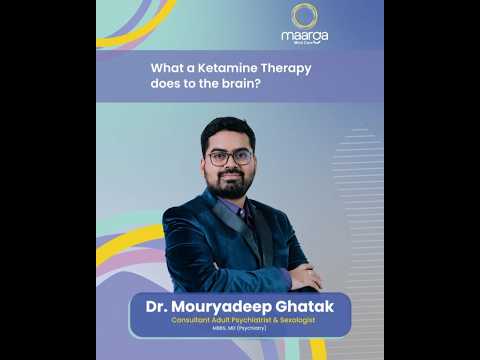
In the evolving landscape of mental healthcare, ketamine therapy marks a huge shift in treating challenging mood disorders. Originally a surgical anaesthetic, it is now a groundbreaking intervention for those resistant to traditional treatments. This therapy offers a unique pathway for the brain to repair and rewire itself, providing hope where other options have failed.

By focusing on the biological underpinnings of distress, it is one of the most promising developments in modern psychiatry, particularly for those seeking a rapid-acting antidepressant treatment. Unlike conventional medications that take weeks to work, this approach operates on a shorter timeline, helping individuals regain stability within days.

Second-Card

Conditions Treated With Ketamine Therapy

Ketamine is not a universal fix, but its versatility makes it one of the most effective tools for a range of complex mental health and chronic conditions:

  • Treatment-Resistant Depression (TRD): This is the primary application for the therapy. It serves those who have tried multiple courses of oral antidepressants without achieving remission.

  • Major Depressive Disorder (MDD): Even outside of treatment-resistant cases, it can be used to provide a biological reset for the nervous system during severe depressive episodes.

  • Post-Traumatic Stress Disorder (PTSD): Research indicates that ketamine can help dampen the emotional intensity of traumatic memories, making engagement in further trauma-focused psychotherapy for individuals easier.

  • Severe Anxiety Disorders: This includes Generalised Anxiety Disorder (GAD) and Social Anxiety, where the treatment helps quieten the overactive fight-or-flight response.

  • Suicidal Ideation: Due to its status as a rapid-acting antidepressant treatment, it is often used in acute situations to quickly reduce or eliminate thoughts of self-harm, providing a life-saving window for further care.

  • Obsessive-Compulsive Disorder (OCD): While still an emerging area of study, some patients report a reduction in the compulsive behaviours and intrusive thoughts associated with OCD.

  • Bipolar Depression: It can be used to treat the depressive phase of bipolar disorder, provided the patient’s mood is carefully stabilised with other medications to prevent a shift into mania.

  • Postpartum Depression: For new mothers facing severe mood drops that affect their ability to bond or function, the speed of this treatment can be particularly beneficial.

  • Chronic Pain With Comorbid Depression: Because ketamine has analgesic properties, it is usually helpful for those whose mental health is negatively impacted by long-term physical pain.

  • Eating Disorders: Emerging clinical evidence suggests that ketamine may assist in breaking the rigid thought patterns associated with anorexia and bulimia.

  • Burnout and Chronic Stress: For professionals experiencing severe emotional exhaustion, this therapy can help lower systemic inflammation and restore cognitive resilience.

Benefits of Ketamine Therapy

The reason ketamine has gained such traction in the medical community is due to its distinct physiological advantages over legacy treatments:

Benifits-Icon-1

Speed of Relief: Many patients experience a noticeable shift in their mood and outlook within 24 hours of their first session, providing a vital bridge during times of crisis.

Benifits-Icon-1

Biological Brain Repair: It facilitates synaptogenesis, which is the growth of new connections between neurons. This helps repair the wiring in brain regions that may have shrunken due to chronic stress or depression.

Benifits-Icon-1

Targeting the NMDA receptor: The primary mechanism of action involves NMDA receptor modulation. By blocking these receptors, ketamine triggers a glutamate burst that stimulates the brain's natural ability to heal and adapt.

Benifits-Icon-1

Reduction in Medication Burden: For some, successful treatment may allow for a reduction in the dosage or number of daily oral medications, which can sometimes have systemic side effects.

Benifits-Icon-1

Improved Cognitive Clarity: Beyond just mood, many people report an improvement in brain fog, focus, and the ability to process complex emotions that previously felt overwhelming.

Benifits-Icon-1

High Success Rates: Even for those who have felt stuck for years, clinical studies show that a major percentage of patients respond positively to this intervention compared to a placebo.

Benifits-Icon-1

Neuroplasticity Window: The days following a session are mostly marked by increased plasticity, meaning the brain is more open to positive changes, making it an ideal time to engage in talk therapy.

Benifits-Icon-1

Non-Reliance on Monoamines: Unlike standard antidepressants that target Serotonin or Dopamine, ketamine works on Glutamate, the most abundant neurotransmitter in the brain, offering a different pathway to wellness.

Benifits-Icon-1

Anti-Inflammatory Effects: Chronic depression is typically linked to brain inflammation; ketamine has been shown to reduce inflammatory markers, promoting a healthier neural environment.

Benifits-Icon-1

Enhanced Resilience: By strengthening the prefrontal cortex, the treatment helps individuals become more resilient to future stressors, reducing the likelihood of immediate relapse.

What to Expect in Ketamine Therapy?

Entering a new form of therapy can feel daunting. At Maarga Mind Care, the process is designed to be as calm and controlled as possible. Here is what a usual journey looks like:
thearpy-expect
  • Initial Consultation: Before any treatment begins, a comprehensive evaluation is conducted to review your medical history, current medication and mental health goals.
  • The Clinical Setting: Treatments are performed in a quiet and comfortable room. You are encouraged to wear an eye mask and listen to calming, non-lyrical music to help you focus inward.
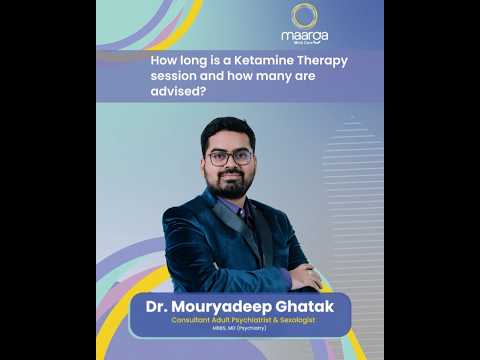
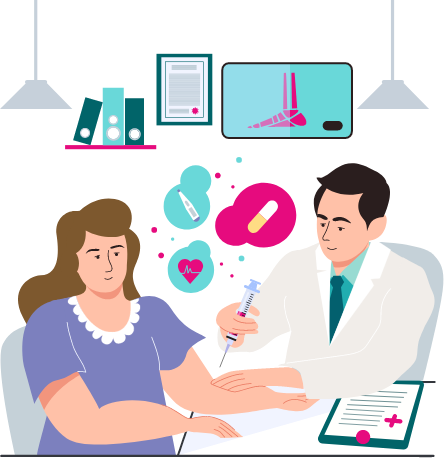
  • Administration: The most common and evidence-based method is ketamine infusion therapy, where a sub-anaesthetic dose is delivered slowly through an IV drip over approximately 40 to 60 minutes.
  • The Dissociative Experience: During the session, you may feel a sense of detachment or as if you are in a dream-like state. This is a normal part of the process and helps patients gain a new and objective perspective on their lives.
thearpy-expect
  • Monitoring: A trained medical professional monitors your vitals, such as blood pressure and heart rate, throughout the session to ensure your safety and comfort.
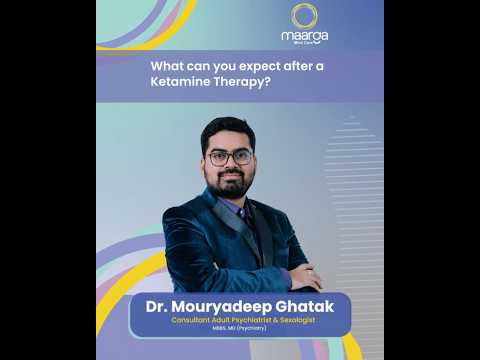
  • The Recovery Phase: After the infusion ends, the effects wear off quickly, usually within 20 to 30 minutes. You will stay in a recovery area until you feel fully grounded and alert.
  • Post-Session Care: You will need a friend or family member to drive you home, as you should not operate heavy machinery or make any kind of major decisions for the rest of the day.
  • Frequency: A typical induction phase involves two to three sessions per week for a period of two to three weeks, depending on the individual's response.
  • Integration: Many individuals may find it helpful to journal or speak with a therapist shortly after their session to lock in the insights and feelings of relief they experienced.
  • Long-Term Maintenance: Following the induction phase, some patients return for booster sessions every few months to maintain their progress.
rTMS-Side-effects

Side Effects of Ketamine Therapy

While this treatment is widely known for its efficacy, it is important for patients to have an objective understanding of what they might feel during and after the session.

  • Short-Term Physical Sensations: Common ketamine therapy side effects may include a temporary increase in heart rate or blood pressure, which is why patients are monitored closely by medical staff.
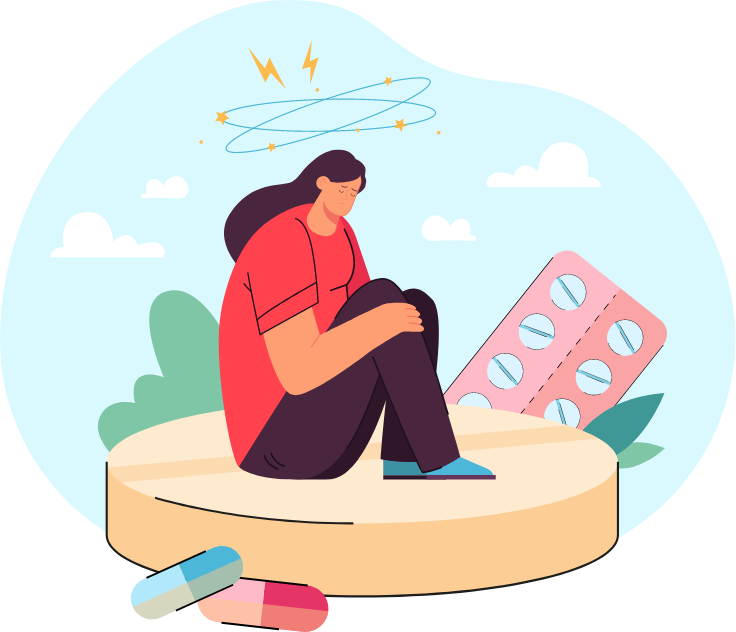
  • Nausea and Dizziness: Some individuals experience mild nausea or a feeling of light-headedness. This is usually managed by asking patients to fast for a few hours before their appointment.
  • Dissociation: This is the feeling of being separated from one's body or environment. While some find this therapeutic, others may find it briefly disorienting until the medication wears off.
  • Visual or Auditory Changes: During the infusion, colours might seem brighter or sounds more distinct. These sensory shifts dissipate almost immediately once the infusion stops.
  • Post-Session Fatigue: It is quite common to feel tired or dreamy for a few hours following the treatment, which is why rest is strongly encouraged.
  • Emotional Release: Some patients may experience a brief dip or a burst of crying as emotional blockages begin to clear, which is actually viewed as a positive sign of the start of the healing process.
  • Temporary Confusion: For a very short window after the infusion, some patients may feel slightly confused about their surroundings, which resolves as the medication leaves the system.

When to Seek Ketamine Therapy?

Deciding when to transition to this form of care is a personal journey, but there are clear signs that it may be the right time to explore this option:
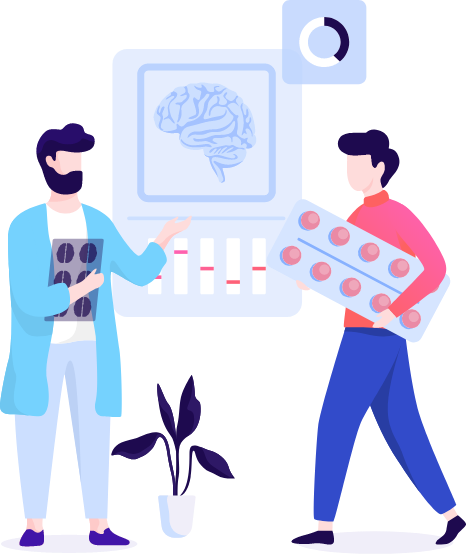
  • Traditional Meds Aren't Working: If you have spent months or years cycling through different Selective Serotonin Reuptake Inhibitor (SSRIs) or Serotonin and Norepinephrine Reuptake Inhibitor (SNRI) without finding a baseline of wellness or stability.
  • Side Effects are Unbearable: When the side effects of daily oral medications (like weight gain, sexual dysfunction, or emotional numbing) outweigh their therapeutic benefits.
  • Urgent Need for Relief: If your symptoms are so severe that you cannot wait the typical 4–8 weeks for a standard antidepressant to take effect, especially in cases of severe functional impairment.
rTMS-why-seek
  • Feeling Stuck in Talk Therapy: When you feel you have the intellectual tools from counselling, but your brain’s biology won’t allow you to implement them due to a lack of mental energy.
  • Chronic Emotional Pain: If you are living with a persistent sense of hopelessness or emptiness that feels physical in nature and has become your default state of being.
  • Difficulty With Daily Tasks: When depression or anxiety makes basic self-care, maintaining a job or nurturing relationships feel impossible.
  • A Desire for a New Approach: If you are looking for a treatment that targets the brain's glutamate system rather than the traditional serotonin-heavy models of the past decades.

Our Reviews & Testimonials

Why Choose Maarga Mind Care for Ketamine Therapy?

Choosing the right environment for this specialised treatment is important for both safety and the quality of the therapeutic outcome.


Why-Choose-img
  • Multidisciplinary Expertise: Maarga Mind Care is considered one of the leading centres where some of the best psychiatrists and trained medical staff of the country work in tandem to oversee every aspect of your care from start to finish.
  • Safety-First Protocols: Every session is conducted with rigorous monitoring to manage any potential discomfort immediately, ensuring a peaceful experience for every patient.
  • Personalised Dosing: We recognise that every brain is different, hence we calibrate the dosage carefully to your specific needs, weight and history for the best possible results without over-sedation.
  • Holistic Support: Our focus isn't just on the infusion itself but on the integration of the experience, helping you make sense of any insights gained during the session to foster long-term change.
  • Comfortable Environment: Our facility is made to be soothing and non-clinical, featuring soft lighting and comfortable seating to reduce the anxiety associated with medical procedures.
  • Evidence-Based Care: All of our protocols are based on the latest clinical research in long-term mental health recovery and neuroplasticity.
Why-Choose-img
  • Comprehensive screening: Before beginning, patients undergo a detailed health check to ensure they are physically and mentally suited for the therapy, prioritising long-term wellbeing over a quick fix.
  • Continuity of Care: Our team maintains communication with your primary therapist or to ensure that your ketamine sessions complement your broader mental health treatment plan.
  • Focus on Long-Term Wellness: Our goal is not just temporary relief but to use the window of neuroplasticity to create lasting lifestyle and psychological improvements.
Faq-bg

FAQsΒ 

Faq-bg

Yes, it is offered as a specialised option for those with severe or treatment-resistant depression who haven't found relief through standard methods.

Usually, adults with a diagnosis of depression or PTSD who have tried other treatments but not found relief yet are eligible, following a thorough physical and psychiatric screening.

Ketamine therapy is administered in a highly controlled medical setting with continuous monitoring to ensure your heart rate and comfort remain stable throughout.

Patients tend to notice a huge improvement in their mood or a reduction in dark thoughts within just a few hours to a couple of days after their first session.

While it varies, a standard initial course involves about six sessions over a few weeks, followed by occasional maintenance visits if needed.
Book Appt Icon Book Appt. Whatsapp Icon Call

Call Us

×
+

BOOK AN APPOINTMENT

Are you sure you want to close this appointment?

Yes

No