Loading...
Loading...
Chronic inattention, hyperactivity, and impulsivity are signs of ADHD and with the right treatment one will be able to lead a normal life. ADHD treatment helps you regain control and establish mental steadiness over scattered thoughts. While there is no cure for ADHD, a thoughtful mix of ADHD remedies helps you manage symptoms and prevent further complications. This may include:
Medications to improve focus and control impulsivity.
Behavioural therapy to build better habits and coping mechanisms.
Educational strategies to guide you with learning, organisation, and attention skills.
ADHD treatment involves the management of ones Attention Deficit/Hyperactivity Disorder. It aims to bring structure to your attention that drifts often or restlessness that makes it hard to stay on top of things. It doesn’t inherently change who you are but focuses on making your daily tasks manageable that are otherwise difficult with ADHD.
Living with ADHD can often lead to feelings of being misunderstood or inadequate. Every day and routine tasks seem difficult as you lose focus, struggle to stay organised, miss deadlines, etc. Over time, this can lead to stress, frustration, anxiety, and self-doubt. Seeking ADHD treatment helps you manage these challenges and rebuild your self-esteem.
ADHD treatment in children/adults is more of a personalised plan than a standard approach. Therapists study your symptoms, age, lifestyle needs, etc., to curate an ADHD management plan. ADHD is most commonly identified in school-aged children. According to the WHO, 5–8% children, mostly boys, are affected with ADHD, which lasts into adulthood. Hence, treatment for ADHD in children is more common, but symptoms recognised in adulthood are just as effectively treatable.
While the ADHD remedies remain the same, the approach differs based on age-specific needs. For example, an ADHD treatment plan combines behaviour therapy, medications, educational strategies and support. But this looks different in young children, adolescents, and adults.
As parent-dependency is high in this age group, parent training in behaviour management is considered the first line of ADHD treatment at home over medications. It involves:
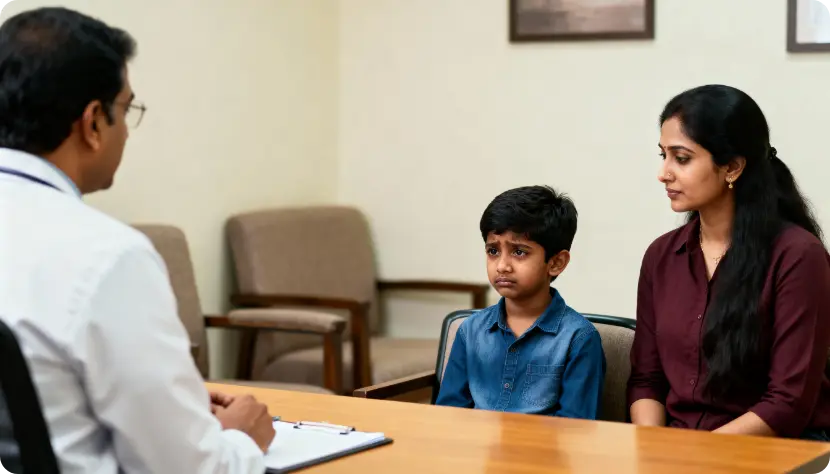
Growing children benefit from a combination of behavioural therapy due to improved understanding. The Association of Academic Psychiatry (AAP) also recommends medication for this age group along with therapies.
ADHD can go undiagnosed for years, often mistaken for laziness, carelessness, or poor discipline. In such cases, treatment is carried out in adulthood, which involves:
1 Cognitive Behavioural Therapy (CBT), where unhelpful patterns are identified to build focus and strategise for self-regulation.
2 ADHD therapy in adults also includes support for balancing work, relationships, routines, and emotional well-being.
3 Lifestyle changes like improving sleep, diet, and physical activity are emphasised to reduce stress and enhance concentration.
4 Psychotherapy and mindfulness techniques to calm restlessness and improve awareness are part of the treatment plan.
When treatment is started early,. ADHD treatment shows promising results. A combination of behaviour therapy, educational support, and medications provides slow yet steady progress in the management of ADHD. For children, the effectiveness is heavily dependent on parent training and classroom strategies. For adults, response to CBT and lifestyle adjustments makes a significant difference.
Per a case study in the International Journal of Indian Psychology, a 9-year-old boy with ADHD was introduced to child-focused CBT alongside parental behavioural management training. Chief complaints in his case included hyperactivity, lack of attention, response delay, etc. Understanding the observation of such patterns over six months, CBT was given for 45 minutes, thrice a week. This was spread out in twelve sessions where strategies to help increase self-control and engage in problem-solving were introduced through modelling and role-playing. The child was also put on the medication and after completion of 12 sessions, there was a significant reduction in inattentiveness and hyperactivity.
Signs of inattentiveness and hyperactivity can seem pretty common like difficulty staying still, inability to focus, being fidgety, and acting impulsively.
They qualify for an ADHD diagnosis when these signs get noticeably problematic. When they start to interfere with functionality and interactions in school/work, at home, and with friends, it’s time to seek professional help. If left undiagnosed, these symptoms snowball and cause increased suffering and a sense of impairment.
ADHD symptoms surface as either predominantly inattentive, predominantly hyperactive/impulsive, or combined presentation. If you notice a combination of these signs for a prolonged period, it’s worth getting checked:
Increased forgetfulness
Fidgeting or squirming habits
Uncomfortable being still for a long time
Talking over people and talking a lot, difficulty in staying focused on tasks
Regularly missing out on details or making careless mistakes
Daydreaming and inability to listen or follow through instructions properly
Having a hard time resisting temptation

With a dedicated psychiatric team specialising in CBT, psychotherapy, and behaviour therapy, Maarga Mindcare offers you holistic solutions for ADHD management. Our hospital boasts of experts in the field of adult psychiatry and child & adolescent psychiatry to support ADHD patients in different age groups with personalised treatment plans. Following the CDC guidelines for ADHD treatment, from the first evaluation to monitoring progress, Maarga Mindcare is committed to helping children and adults alike regain focus, confidence, and emotional stability.

Dr Gayathri
⭐⭐⭐⭐⭐
"ADHD in Children – Signs Parents Should Know"
Dr Gayathri
⭐⭐⭐⭐⭐
"ADHD support system!"
Dr Gayathri
⭐⭐⭐⭐⭐
"Did you know? ADHD isn’t just one type!"
Dr Gayathri
⭐⭐⭐⭐⭐
"ADHD isn’t one-size-fits-all."
Disclaimer
The information provided on this page is for educational purposes only and does not replace professional medical consultation. ADHD treatment results vary from person to person. Please consult a specialist psychiatrist or psychologist for personalised care. If you or your loved one is struggling with ADHD, reach out to Maarga Mind Care – a trusted psychiatric hospital in India. Our experts can help you start your journey to recovery.

 Book Appt.
 Call
Call
BOOK AN APPOINTMENT
Are you sure you want to close this appointment?
Yes
No