
 7026275757
 Chat with us
Synopsis
Table of Contents
Introduction
Technology now shapes nearly every moment of our lives, from how we communicate to how we learn, work and even relax. At the centre of this digital shift is social media, a space that has become almost inseparable from the day-to-day lives of young people.
While social platforms can offer learning, entertainment, and connection, they also raise concerns around the correlation between social media and mental health decline. Many experts worry about the effects of social media on mental health, especially among teenagers whose emotional, cognitive and social development is still underway. Excessive exposure, comparison pressure and cyberbullying are just some of the challenges contributing to the rising cases of anxiety, depression and stress in youth.
This article explores the impact of social media on teenage mental health, acknowledging its benefits while highlighting risks and ways to promote healthier digital habits.
How Social Media Influences Youth Mental Health
Social media creates a powerful environment where teens interact, learn, express themselves and form opinions. However, this same digital environment can overwhelm them with constant stimulation, unrealistic standards and social pressure.
Recent research from the American Psychological Association (APA) showed that teens spend nearly 5 hours daily on social media, and prolonged use is associated with increased emotional distress. Given that youngsters spend such a large share of their day online, they are continuously exposed to influences that can shape their thoughts, behaviours, and emotional state.
Ways in which social media affects teenagers’ mental health:
- Emotional Regulation: Teens rely on validation in the form of likes, comments and reactions. This can affect their mood and self-worth.
- Cognitive Overload: Endless content, trends and notifications overstimulate the brain.
- Social Comparison: Teens compare their appearance, lifestyle and achievements to unrealistic online portrayals.
While the effects of social media on mental health vary from person to person, overuse has been linked to higher rates of stress, attention difficulties, poor sleep, and low resilience.
Positive Effects of Social Media
Despite concerns, social media isn’t purely negative. When used mindfully, it can support teens’ emotional and social growth.
Connection and Belonging
About 71% of teens say social media makes them feel more connected to their friends, according to a 2022 survey. It helps them:
- Maintain friendships
- Find support communities
- Connect with like-minded individuals (art, music, gaming, fitness, activism)
Access to Information and Learning
Platforms like YouTube and Reddit often act as informal learning spaces where curiosity is encouraged and self-paced learning feels enjoyable rather than forced. They help young people:
- Learn new skills
- Explore academic content
- Discover career paths
- Express creativity
Emotional Support
Many teens follow mental-health advocates and counsellors online. They learn:
- Coping strategies
- Self-care habits
- Stress management tools
For teens who feel misunderstood offline, online support groups offer a sense of validation. However, these digital resources should not replace professional guidance, especially when a teen is struggling with ongoing or severe emotional distress.
Self-Expression and Identity Development
Social media allows young people to explore hobbies, interests, and personal identity through:
- Photography
- Writing
- Art
- Music
- Content creation
This form of expression can boost confidence and belonging.
Negative Effects of Social Media
While the benefits are real, the negative effects of social media on teens often outweigh the positives when usage is excessive.
Increased Anxiety and Depression
A study published in JAMA Pediatrics showed that teens who use social media for more than 3 hours daily may be at a heightened risk of developing symptoms of anxiety and depression.
Reasons for this include:
- Constant comparison
- Fear of neglect
- Stress from online interactions
- Exposure to distressing news or content
Poor Sleep Quality
Late-night scrolling disrupts melatonin levels and reduces sleep quality. This leads to sleep deprivation, which affects:
- Mood
- Academic performance
- Memory
- Emotional stability
Addictive Behaviours
Social platforms are designed to keep users hooked. This addictive pattern directly impacts attention span and productivity. Teens may:
- Check notifications constantly
- Feel anxious when not online
- Lose track of time
Low Productivity and Academic Decline
With constant distractions on social media, teens may find it difficult to be productive or perform well academically. They may:
- Struggle to focus during study hours
- Procrastinate
- Feel mentally exhausted
- Lose motivation
Unrealistic Expectations
Curated photos and filtered lives create impossible standards regarding. It arises a sense of inferiority and unrealistic expectations around:
- Beauty
- Lifestyle
- Success
This fuels dissatisfaction and self-doubt. Over time, teens may begin to question their own worth, abilities, and appearance simply because they don’t match what they see online.
Impact on Self-Esteem and Body Image
Visual-first platforms can heavily influence how teens perceive their bodies and self-worth.
According to the Royal Society for Public Health, a rising number of teenage girls are unhappy with their bodies after viewing idealised beauty content. This constant exposure can distort their perception of what is “normal,” making even healthy bodies seem inadequate.
Common triggers include:
- Filtered or edited photos
- Influencer lifestyles
- “Perfect body” trends
- Comparison with peers
Teens who feel they don’t “measure up” may experience:
- Self-esteem issues
- Eating disorders
- Body dysmorphia
- Social withdrawal
This is one of the most concerning impacts of social media on teenage mental health, especially among impressionable adolescents.
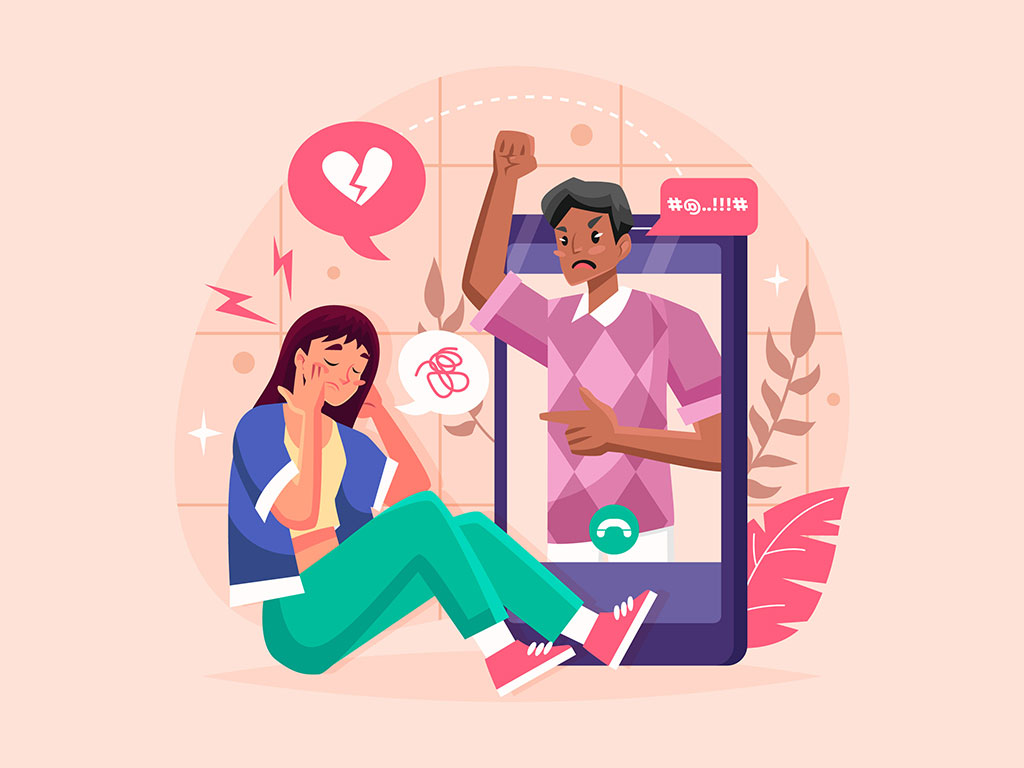
Cyberbullying and Online Harassment
Social media increases exposure to bullying beyond school hours, making it constant and harder to escape. UNICEF reports 1 in 3 young people globally have experienced cyberbullying. Such online harassment can leave deep emotional scars, often leading to fear, shame, withdrawal from social activities, and a noticeable drop in self-confidence.
Forms of cyberbullying:
- Hurtful comments
- Rumours or defamation
- Exclusion from groups
- Sharing private images
- Impersonation
- Threats
The emotional consequences include:
- Fear
- Shame
- Social anxiety
- Declining academic performance
- Reduced confidence
Cyberbullying is one of the strongest negative effects of social media on teens, and its long-term impact can be severe.
Warning Signs of Social Media Overuse
Parents, teachers, and caregivers should watch for the following signs:
- Constantly checking phone
- Losing interest in offline activities
- Irritability when restricted from using social media
- Difficulty sleeping
- Trouble concentrating
- Decline in grades
- Avoidance of social interactions
- Frequent comments about comparison or inadequacy
If these behaviours persist, it may signal emotional distress or addictive patterns.
Healthy Digital Habits for Youth
Promoting balance, not restriction, is key.
Teen-friendly digital wellness strategies:
- Set daily screen-time limits (preferably 2–3 hours for non-academic use)
- Mute unnecessary notifications
- Keep phones away during meals and bedtime
- Follow inspiring or educational content
- Unfollow trigger accounts
- Take weekly digital detox hours
- Prioritise physical activities and offline hobbies
Encouraging teens to curate their online feed mindfully helps reduce anxiety and comparison pressure.
How Parents and Educators Can Help
Supportive adults play a crucial role in shaping healthier digital behaviour.
Encourage Open Communication
Creating a safe and judgment-free space for teens is important, especially as they explore the pressures of a highly digital world. When they know they can speak openly without fear of being criticised or dismissed, they are far more likely to share what they’re experiencing online. This includes conversations about:
- Online experiences
- Peer pressure
- Negative content
- Bullying
Set Healthy Boundaries
Instead of relying on strict or punitive rules, it helps to set gentle, consistent boundaries that guide teens toward healthier digital habits. These structured routines feel less controlling and more collaborative, making teens more likely to follow them. Consider establishing:
- Screen-free zones
- Family tech hours
- Bedtime phone rules
Encourage Healthy Usage
Teens naturally mirror the behaviour they see at home, which is why parental habits play such a significant role in shaping their relationship with technology. When adults are frequently scrolling through their phones (during meals, conversations, or downtime), teens often internalise this as normal behaviour and replicate it. Over time, this creates a cycle where constant screen use becomes the family’s default pattern.
By modelling healthier habits, such as keeping devices away during shared moments or limiting screen time before bed, parents can set a positive example that encourages teens to do the same.
Educate About Online Risks
Educating teens about online risks is essential in helping them navigate the digital world with confidence and awareness. Many young people may not fully understand how easily their information can be misused or how quickly harmful content can spread.
Consider educating your teens about:
- Privacy
- Misinformation
- Cyberbullying
- Safe content sharing
Provide Emotional Support
Rather than judging, listen empathetically. Many teens hesitate to open up for fear of punishment. If parents create a safe space for the child to emote, it opens a new avenue for easy-flowing and honest communication.
When to Seek Professional Help
Professional support becomes essential when a teen experiences:
- Persistent sadness
- Withdrawal from friends
- Sleep or appetite changes
- Aggressive or irritable behaviour
- Thoughts of self-harm
- Academic decline
- Trauma from online harassment
If you observe these patterns, seeking timely help from qualified mental-health experts can make a significant difference. Maarga Mind Care offer structured assessments, counselling, and therapeutic interventions tailored around child and adolescent psychiatry.
Our team can help teens manage anxiety, depression, and the emotional fallout of negative online experiences, while also guiding families on how to support their child through a difficult phase. We ensure that concerns are addressed before they escalate, giving teens the tools they need to heal and regain emotional balance.
Conclusion
Social media is a powerful tool. It can uplift, inspire and support, but it can also overwhelm, mislead and harm. Understanding the effects of social media on mental health, especially during teenage years, helps parents, educators, and teens themselves make healthier choices online.
If you or a loved one is seeking guidance on how to reduce the negative effects of social media and help the young members of your family move toward a healthier, more balanced path, consider meeting the expert counsellors at Maarga Mind Care. With a proven history of supporting and empowering more than 1,000 young individuals facing challenges like anxiety, depression, and digital overwhelm, our team continues to be recognised for deeply impactful, compassionate, and evidence-based adolescent counselling.
FAQs
Q. How does social media impact teenagers’ mental health?
A. Social media can influence teenagers’ mental health both positively and negatively. On the positive side, it helps them stay connected, express themselves, learn new things, and find supportive communities. However, excessive use can lead to emotional overwhelm, comparison pressure, reduced sleep quality, and difficulty focusing. Teens who constantly seek validation through likes and comments can eventually experience anxiety or dips in self-esteem when online interactions don’t meet expectations.
Q. What are the negative effects of social media on youth?
A. Some common negative effects include:
- Increased stress
- Anxiety
- Depression
- Body-image issues
- Exposure to cyberbullying
Teens may also face unrealistic beauty standards, peer pressure, misinformation, and harmful content that can distort their perception of the world. Over usage can also lead to addiction-like behaviours, reduced productivity, and feelings of loneliness despite being constantly “connected.”
Q. Can social media use cause anxiety or depression in teens?
A. While social media alone doesn’t directly cause anxiety or depression, heavy or unhealthy use can contribute to these conditions. Studies show that teens who spend more than 3–5 hours a day on social platforms are more likely to report symptoms of emotional distress. Constant comparison, online criticism, cyberbullying, and disrupted sleep patterns further increase the risk.
Q. How can young people use social media in a healthy way?
A. Healthy use includes setting time limits, following positive or educational accounts, muting triggers, avoiding late-night scrolling and balancing digital life with offline hobbies. Curating a mindful feed and practising digital detox hours can help maintain emotional balance.
Disclaimer
The information provided on this page is for educational purposes only and should not replace professional medical consultation.