

 7026275757
 Chat with us
Synopsis
Table of Contents
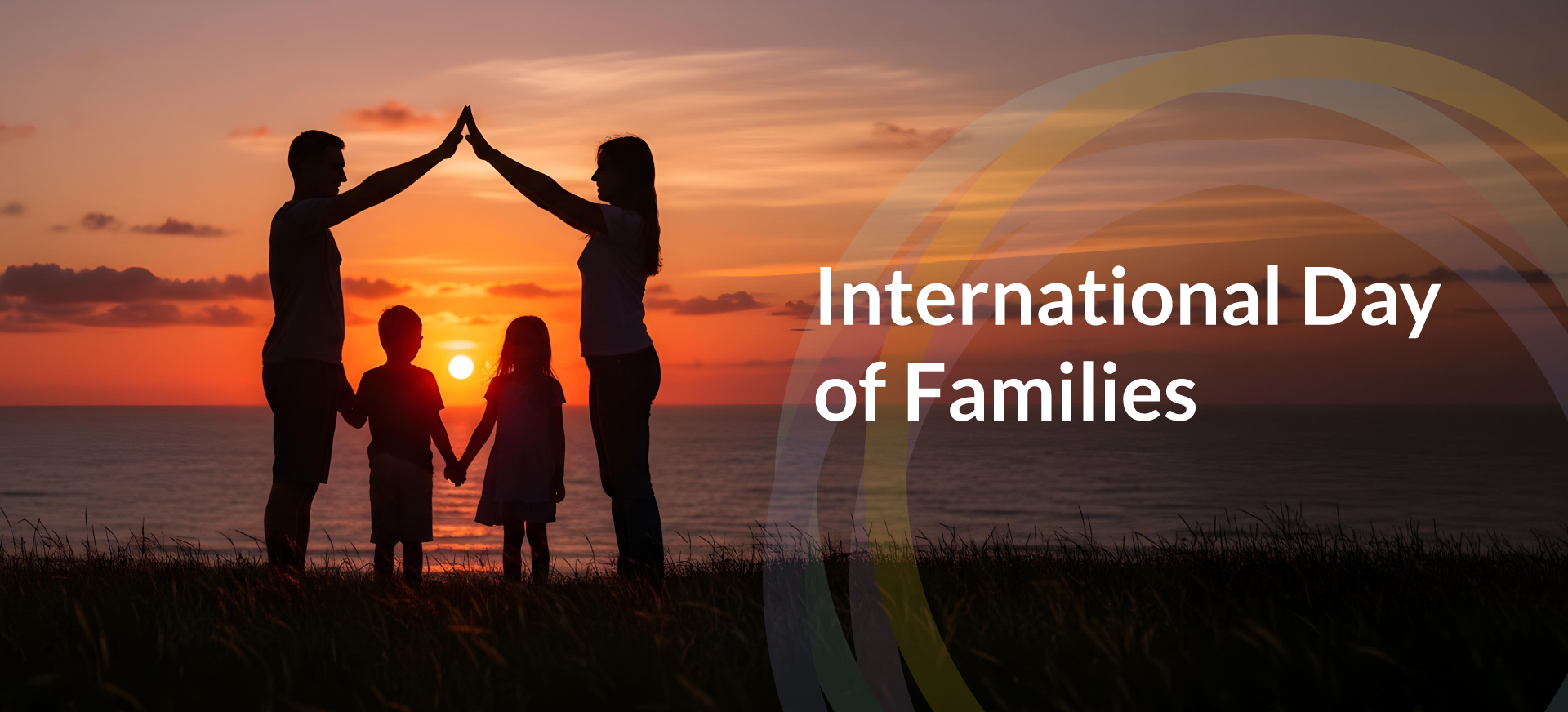
International Day of Families
The United Nations’ attention was focused on family-related problems in the 1980s. Therefore, in 1989, the International Day of Families was proclaimed. This day helps raise awareness about family-related issues. It also provides knowledge of the economic, social and demographic processes that affect families.
Wondering, ‘when is International Day of Families?’ Since 1989, it has been observed on 15 May each year.
Family Mental Health & Its Importance
Relationships with family members often shape our emotions, thoughts, and behaviours from childhood to adulthood. The family dynamic can therefore affect your mental health. It can influence how you tackle challenges and thrive in daily life. Family relationships are often our first and most impactful interactions.
A healthy family environment can provide necessary security and stability. It may also help minimise anxiety and stress and make individuals more resilient. The International Day of Families focuses on the centrality of families by calling for policies to address disparities in family life.
How Family Dynamics Affect Mental Wellbeing
Family dynamics or the patterns of interactions, roles and relationships among relatives, help determine mental wellbeing in the following ways:
- Emotional Support: Families that offer emotional support can help individuals become resilient. This is because they constantly provide a safe space for sharing feelings and thoughts. Lack of such support can lead to feelings of mistrust and loneliness.
- Patterns of Communication: When open and respectful communication is maintained within the family, emotional connections and problem-solving are encouraged. Constant criticism, avoidance, or passive-aggressiveness can affect self-esteem; on the other hand.
- Influence of Generations: Attitudes, behaviours, and ways of coping are often passed down from family members. For instance, if a family has always avoided discussions, members may continue to do so.
International Day of Families can help focus on how various social and personal factors affect family dynamics. Such an awareness can help identify negative patterns and take a step toward better family wellbeing.
Communication, Conflict & Emotional Health
Open and honest communication is important for maintaining strong family bonds and navigating problems. To communicate effectively, individuals must actively listen, practice empathy, validate each other’s emotions, and take steps to stay connected even when physically absent.
Conflict is unavoidable, but how it is managed determines the family’s emotional wellbeing. To handle fights healthily, individuals must calm down and avoid interrupting others when they are speaking. A psychologist can offer personalised strategies for conflict resolution.
The International Day of Families 2026, with the theme ‘Families, Inequalities and Child Wellbeing’, emphasises the impact of addressing family-level disparities and their ability to enhance mental health.
Supporting Each Other Through Mental Health Challenges
In India, family is a major source of care for individuals with mental health challenges. This is why current psychotherapy or psychiatric care as a whole focuses on community-based interventions. Families can not only offer practical help, such as managing routines, but also extend care by being empathetic and avoiding triggers.
Family Therapy & Counselling at Maarga
At a leading psychiatric hospital like Maarga Mindcare, professionals focus on offering holistic care. They understand the correlation between family dynamics and mental health. Sessions at the centre can therefore focus on identifying and eliminating communication barriers. Professionals may offer strategies for managing conflicts, changing patterns, and strengthening relationships.
When to Seek Help
It is important to seek assistance from a professional if:
- Conflicts are frequent and unresolved
- Family troubles affect daily functioning
- You are in emotional distress
- You blame yourself for poor relationships
FAQs
Q. How does family environment affect mental health?
A. The family environment can affect mental health as family interactions are impactful and affect personality development, emotional regulation, and coping skills.
Q. What are the signs of an unhealthy family dynamic?
A. Some signs of unhealthy family dynamics are constant conflict, poor communication, rigid roles, unhealthy behaviours or poor boundaries.
Q. Can family therapy improve relationships?
A. Family therapy can improve communication, resolve conflicts and rebuild trust. This can help improve relationships.
Q. How can families support someone with mental illness?
A. Families can offer support to those struggling with mental health illnesses by practising active listening, being empathetic and offering unconditional support.
Q. Why is communication important in family mental health?
A. Communication among members is essential, as it helps build trust, emotional stability, and resilience, which can help protect against anxiety and illness.