
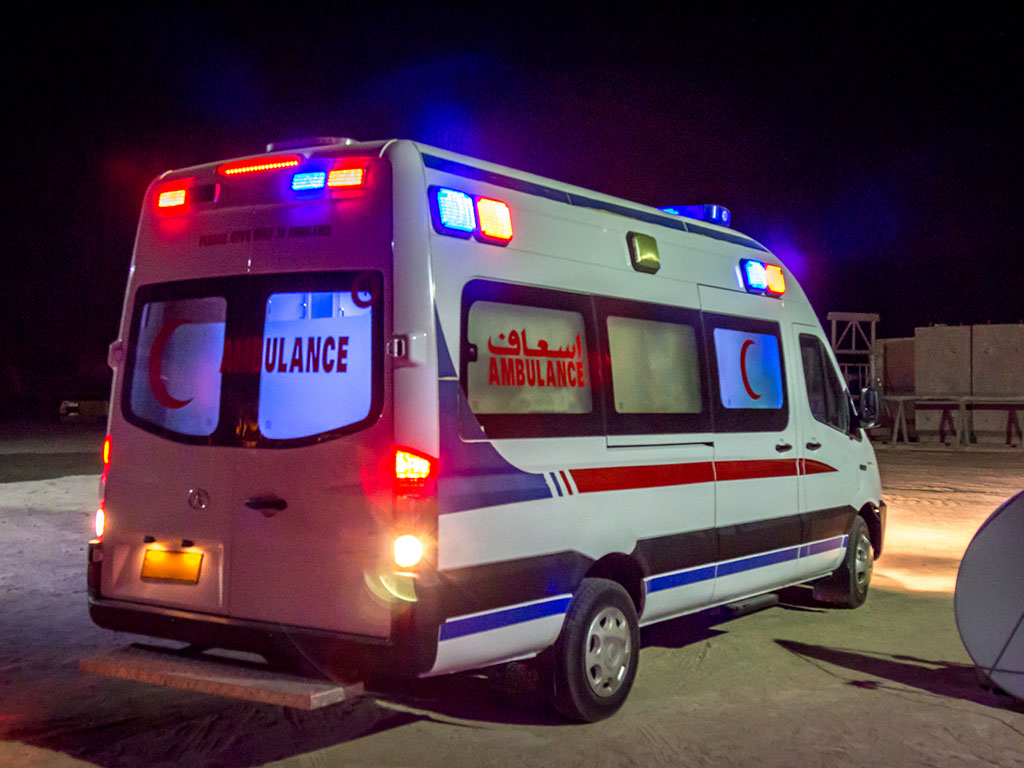
Medical emergencies can occur at any time. Timely and specialised care is extremely essential to prevent any major damage. Medical emergencies can also include psychiatric emergencies. While Ambulance services are commonly requested for to handle common medical emergencies, handling psychiatric emergencies is slightly different.
This article helps us understand some key differences between these two emergency services.
Ambulance services vs Psychiatric Emergency Retrieval
Both these are established and proven services when it comes to handling medical emergencies. However, few key differentiating points arise when it comes to the approach adopted.
Ambulance services are clinically designed to provide emergency support and transportation services for patients who have suffered from cardiac arrests, serious accidents of severe illness. On the other hand, Psychiatric Emergency Retrieval caters to providing support exclusively to mentally ill patients.
Ambulance services pick up the patient in distress and shift them to the nearest hospital to take it forward. On the other hand, psychiatric emergency retrieval requires a lot of initial preparation from recording the request till the patient is shifted.
Psychiatric emergency retrieval is an extremely emotional activity wherein the patient needs to be spoken to and convinced where to and why is he being transported. Ambulance services are designed to waste no time as every minute is crucial.
Ambulance services deploy vehicles that are fitted with emergency medical equipment for general emergencies. On the other hand, psychiatric emergency retrieval requires a sophisticated emergency transport for psychiatric patients and a team of experienced psychiatrist doctors and support staff.
While general ambulance services do not require any consent from patient’s family other than a request through a phone call, psychiatric emergency retrieval services require a written consent from the patient’s family especially when it involves highly sensitive patients.
Ambulances services shift the patient to the nearest general hospital while psychiatric emergency retrieval services need a specialised psychiatric care centre with appropriate facilities.
Understanding the differences between ambulance services and psychiatric emergency retrieval is important to request for the right service at the right time. This can help save time during those crucial moments where swift action can make that all important difference. Hence if you or your loved one is wondering how to reach out to an emergency psychiatric transport near me, feel free to connect with MaargaMindcare immediately and speak to our distinguished experts. You are in the safe hands.

Medically reviewed by
Dr. Girishchandra B G
Medical Director and Senior Consultant - Adult Psychiatrist
MBBS, DPM, DNB - (Psychiatry), CCT (UK)
Bengaluru
Common Signs & Symptoms of Postpartum Depression
Recognizing the symptoms early can make a huge difference in recovery. PPD can appear days or
even months
after childbirth.
Depressed mood or severe mood swings
Difficulty bonding with your new baby
Withdrawing from family and friends
Thoughts of hurting yourself or your baby
Loss of interest or pleasure in things you used to enjoy
Trouble thinking clearly or making décisions
Fears that you are not a good parent
Feeling anxious, hopeless and/or worthless
Medically reviewed by
Dr. Girishchandra B G
Medical Director and Senior Consultant - Adult Psychiatrist
MBBS, DPM, DNB - (Psychiatry), CCT (UK)
Bengaluru
Common symptoms include:
Emotional Symptoms
Behavioral / Physical Symptoms
Persistent sadness, emptiness, or hopelessness
Fatigue or lack of energy
Feeling overwhelmed or unable to cope
Changes in appetite or sleep (too much or too little)
Excessive guilt or worthlessness
Withdrawal from loved ones
Difficulty bonding with the baby
Neglecting personal care or baby’s needs
Irritability, anger, or restlessness
Anxiety or panic attacks
If you or someone you love is showing several of these symptoms for more than two weeks, it’s
important
to seek professional evaluation.
Medically reviewed by
Dr. Girishchandra B G
Medical Director and Senior Consultant - Adult Psychiatrist
MBBS, DPM, DNB - (Psychiatry), CCT (UK)
Bengaluru
When to Seek Help: Red Flags & Urgent Warning Signs
Some symptoms indicate severe postpartum depression or postpartum psychosis, which require
immediate
medical attention.
Seek help urgently if you or a loved one experiences:
Thoughts of harming oneself or the baby
Hallucinations, delusions, or confusion
Extreme mood swings or erratic behavior
Inability to perform daily tasks
Intense anxiety or paranoia
If you notice these signs, reach out for emergency support or contact Maarga Mind Care’s 24x7
helpline
for immediate assistance. Early intervention not only ensures faster recovery but also helps
prevent
complications for both mother and child.
Supporting Your Partner or Family Member Through It
When someone is struggling with postpartum depression, family understanding plays a huge role in
healing.
Here’s how you can help:
Intense anxiety or paranoia
Encourage rest and breaks: Offer to care for the baby while they sleep or relax.
Avoid dismissing feelings: Phrases like “You’ll be fine” can make them feel unheard.
Accompany them to appointments: Your presence can ease anxiety.
Stay patient: Recovery takes time, and support must be steady.
At Maarga Mind Care, our
family-inclusive therapy sessions help loved ones understand the
emotional needs of mothers during this sensitive period.
Postpartum depression is more common than most people realize—and it is treatable. Recognizing
the signs
and seeking timely help can make all the difference. If you or someone close is struggling after
childbirth, remember: you are not alone. Reach out to Maarga Mind Care, where compassionate
mental health
professionals provide holistic care tailored to every mother’s needs.
FAQ's
You can call our
helpline or use the
online Book
Appointment button.
You can call our
helpline or use the
online Book
Appointment button.
Yes. Fathers may also experience emotional
distress after childbirth, known as paternal postpartum
depression.
You can call our helpline or use the online
Book Appointment
button.
Disclaimer:
The information provided in this article is for educational purposes only and should not be taken
as
medical advice. If you are experiencing mental health concerns, please consult a qualified
psychiatrist or
psychologist. You can reach out to Maarga Mind Care for personalized diagnosis and treatment.
Read this next
What Type of Treatments are Offered at a Psychiatric Hospital?
When it comes to treating various types of mental health disorders, psychiatric hospitals
play the
most important role.