


 7026275757
 Chat with us
Synopsis
Table of Contents
Introduction
Technology has woven itself into every part of our lives, from the moment we wake up to the last scroll before bed. It shapes how we communicate, work, relax, and even how we understand ourselves. While technology has opened extraordinary opportunities, it has also reshaped the way our minds function. Today, conversations around technology and mental health are more important than ever. Understanding this relationship helps us use digital tools mindfully instead of feeling controlled by them.
This article explores the impact of technology on mental health, the positive and negative sides of digital use, and how we can create healthier tech habits for a balanced life.
How Technology Shapes Mental Well-Being
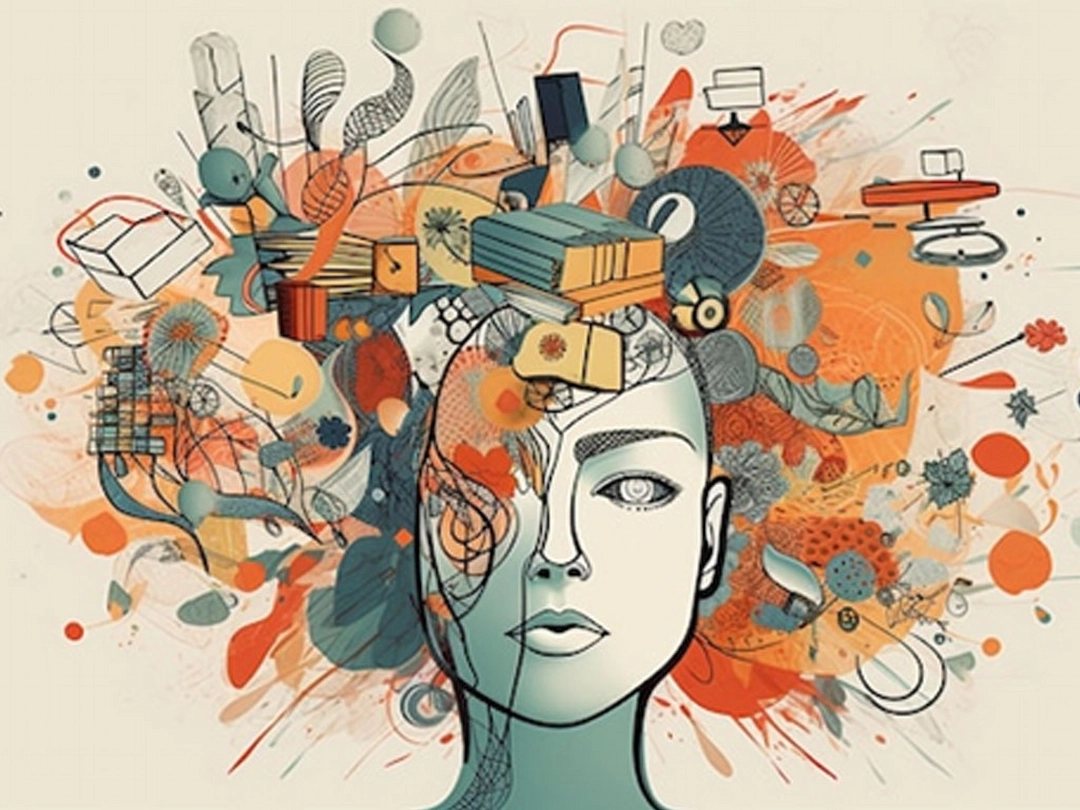
Technology influences mental health in subtle and obvious ways. The way we consume information, stay connected, and express ourselves has changed. In many cases, tech brings convenience and comfort; in others, it creates pressure and overstimulation. The latter perfectly highlights the impact of technology on mental health.
Constant Connectivity
Being reachable 24/7 may feel convenient, but it can also create a sense of obligation and urgency. Notifications demand our attention, and the brain rarely gets downtime.
Social Comparison
Scrolling through curated images online can silently impact self-esteem. It’s easy to compare our real lives with someone else’s highlight reel.
Information Overload
A relentless stream of news, messages, and content makes it harder for the mind to rest, increasing cognitive fatigue.
Digital Communities
On the positive side, technology helps people find support groups, therapy resources, and meaningful connections—especially for those who struggle to express themselves offline.
In short, technology on mental health can be both helpful and overwhelming. The key lies in balancing use.
Negative Effects of Technology on Mental Health
While technology brings value, it also introduces challenges. Studies today show that excessive screen time has a measurable impact on emotional and cognitive well-being. Here are the most prominent negative effects of technology on mental health:
Increased Anxiety and Stress
Constant notifications, digital FOMO (fear of missing out), and the pressure to stay updated can heighten anxiety. Many people experience a low-level hum of stress throughout the day owing to online overstimulation.
Attention and Concentration Issues
Endless scrolling trains the brain to seek quick rewards. This makes it harder to stay focused, especially on tasks requiring deep concentration.
Sleep Disruption
Blue light from screens interferes with melatonin levels. Late-night usage, especially of smartphones, can delay sleep cycles and lead to poor rest.
Emotional Dysregulation
Exposure to distressing news, online bullying, or unrealistic beauty standards can impact mood and emotional stability.
Social Withdrawal
Ironically, spending too much time online can reduce face-to-face interactions, leading to loneliness and isolation.
The cumulative negative impact of technology on mental health becomes more noticeable when digital habits go unchecked.
Negative Effects of Smartphones on Mental Health
Smartphones deserve special mention because they’re the most used device globally—and often the hardest to detach from. Some specific negative effects of smartphones on mental health include:
- Overdependence: Constant checking becomes a habit, even without notifications.
- Phantom vibrations: The imagined feeling that your phone is buzzing when it’s not.
- Doomscrolling: Repeatedly consuming negative news, which increases stress.
- Reduced attention span: Frequent switching between apps impacts long-term cognitive endurance.
- Social disconnection: Being physically present but mentally absent due to phone use.
These effects don’t occur overnight. They develop gradually through patterns we rarely notice.
Positive Impacts and Opportunities
Despite concerns about the impact of technology on mental health, there are significant benefits as well. Used wisely, technology can enrich emotional well-being:
Better Access to Mental Health Resources
Online therapy, mindfulness apps, and digital journaling tools have made mental health support more accessible than ever. These platforms remove barriers like travel, scheduling issues, or fear of stigma, allowing people to seek help privately and conveniently.
Many apps also offer guided exercises, mood tracking, and personalised recommendations that make daily emotional care easier.
Community Support
People can connect with like-minded individuals, support groups, or forums without geographical barriers. Whether it’s managing anxiety, grief, or lifestyle challenges, online communities often provide comfort, encouragement, and validation when it’s needed the most.
Educational Empowerment
Access to free information and mental-health content can increase awareness and encourage early intervention. Educational videos, articles, podcasts, and expert-led content help people understand symptoms, coping strategies, and when to seek help.
This knowledge reduces fear and confusion, encouraging individuals to make informed decisions about their mental well-being.
Creative Expression
Platforms that allow writing, photography, video creation, and design offer emotional release and creative growth. Digital tools give people a safe outlet to express feelings, tell their stories, and explore their identity.
When we intentionally use digital platforms, technology supports mental clarity rather than harming it.
Balancing Tech Use for Better Mental Health
Finding balance is the heart of improving the relationship between technology and mental health. You don’t need to quit using tech—you just need to create healthier patterns.
Some good strategies include:
- Setting boundaries with screen time
- Turning off non-essential notifications
- Charging phones outside the bedroom
- Practicing digital breaks during the day
- Scheduling offline activities (reading, walking, social time)
- Using “Do Not Disturb” mode during focus periods
When the mind gets space from screens, it becomes easier to regulate emotions and restore inner calm.
Practical Tips for Healthy Digital Habits
Improving the impact of technology on mental health often requires small, consistent steps. Here are actionable tips:
Create a Digital Curfew
Stop screen exposure at least one hour before bed. This will help you unwind mentally and get better sleep.
Use Tech to Your Advantage
Mindfulness, habit trackers, and breathing apps help regulate stress. Use them to keep your mental health in check.
Be Mindful of Content Intake
Follow creators who inspire, educate, or uplift you. Unfollow accounts that make you feel inadequate or anxious.
Prioritise Real Interactions
Replace 30 minutes of scrolling with 30 minutes of real conversation. This simple practice can help you stay present and avoid relying solely on social media interactions.
Monitor Screen Time
Built-in digital well-being dashboards help you track usage patterns. You can use them to monitor your screen time and limit usage accordingly.
These habits make a tangible difference in how technology shapes your mood, focus, and emotional resilience.
When Technology Use May Require Professional Attention
Sometimes, the negative impact of technology on mental health becomes severe enough to require support. It may be time to seek help if:
- You feel anxious or restless without your phone
- You lose sleep due to excessive screen time
- Social media affects your self-esteem
- You struggle to disconnect from work
- Smartphone use interferes with relationships
- You feel emotionally exhausted from constant digital exposure
If these patterns appear consistently, professional guidance can help you regain balance.
At Maarga Mind Care, experienced clinicians and experts in adult psychiatry help individuals navigate concerns related to digital dependence, anxiety, sleep issues, and emotional burnout. With the right support, it’s possible to rebuild a healthier relationship with technology.
Conclusion
Technology is neither good nor bad; it’s simply a tool. The real difference lies in how we use it. Understanding the connection between technology and mental health helps us reduce risks and maximise benefits. When we create thoughtful boundaries, choose mindful content, and nurture emotional awareness, technology becomes a companion rather than a source of stress.
Healthy digital habits don’t require drastic changes. They require small, intentional steps that honour your mind’s need for rest, connection, and balance.
If you’re seeking a safe place to discuss tech addiction or screen-time concerns, Maarga Mind Care is equipped to support you with evidence-based care.
FAQs
Q. How does social media affect mental health positively and negatively?
A. Social media can offer emotional support, community, and inspiration. However, excessive use may lead to comparison, anxiety, loneliness, and sleep disruption.
Q. Can too much screen time cause anxiety or depression?
A. Yes. Overexposure to screens, especially at night, can influence mood, increase stress, and affect sleep patterns. These factors may contribute to anxiety or low mood.
Q. What are the mental health risks of smartphone addiction?
A. Smartphone overuse can cause sleep issues, attention problems, digital burnout, and increased stress. It may also reduce face-to-face interactions.
Q. How can technology be used to improve mental well-being?
A. Mindfulness apps, online therapy, habit trackers, and supportive communities can strengthen emotional wellness.
Q. What are healthy digital habits for better mental health?
A. Limit screen time, filter your content, schedule offline activities, take digital breaks, and monitor emotional reactions to online use.