

 7026275757
 Chat with us
Synopsis
Table of Contents
Introduction
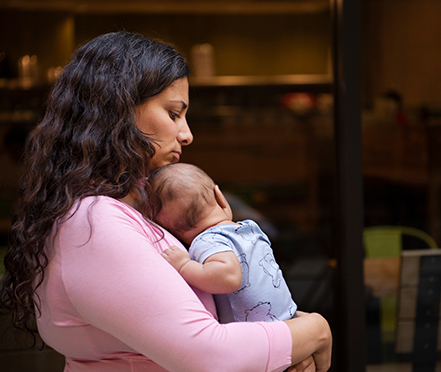
Pregnancy takes women through a joyous yet carefully crafted journey which changes everything they know and everything ahead of them. After months of anticipation and medical appointments, the baby finally arrives. It is an occasion everyone awaits.
At the same time, worries about the baby’s well-being, caring for their delicate needs, and the pressure of doing enough can take over. An amalgamation of these thoughts, combined with sleep deprivation and hormonal changes, can lead to postpartum anxiety.
Unlike everyday stress, postpartum anxiety symptoms can affect a mother’s emotional balance and postpartum mental health, making awareness and timely support essential.
What is Postpartum Anxiety?
Postpartum anxiety is when normal worries after having a baby become constant and difficult to control. It is a mental health condition marked by all-consuming worry, racing thoughts, restlessness, and physical discomfort. These symptoms affect daily life and overall maternal mental health. Postpartum anxiety can also interfere with recovery and bonding with the baby. Early recognition and anxiety treatment can help address the emotional changes of anxiety after childbirth.
Signs and Symptoms of Postpartum Anxiety
Postpartum anxiety symptoms can feel overwhelming and confusing. Many mothers describe staying awake even when the baby is asleep, replaying worries or imagining worst-case scenarios. While the experience looks different for everyone, some common symptoms of postpartum anxiety include:
Physical Symptoms
- Trouble sleeping despite exhaustion
- Increased heart rate
- Dizziness
- Nausea
- Chest tightness
Emotional Symptoms
- Constant worry
- Racing thoughts
- Irrational fears
- Feeling overwhelmed
- Feeling on edge
Behavioural Symptoms
- Restlessness
- Repeatedly checking on the baby
- Difficulty concentrating
- Irritability
- Avoiding situations that trigger anxiety
Causes and Risk Factors of Postpartum Anxiety
While researchers are still unsure of what exactly causes postpartum anxiety, a combination of factors can increase the chances. They include:
- Hormonal changes after pregnancy
- Sleep deprivation increases emotional sensitivity and anxiety
- Stressful pregnancy or delivery complications
Other risk factors may include:
- A personal or family history of anxiety and depression
- Lack of support
- Caring for multiple children
- Compromised finances
Treatment for Postpartum Anxiety
The treatment for postpartum anxiety depends on the severity of symptoms. In perinatal psychiatry, maternal mental health guidelines by prominent health institutions like the WHO are followed for recognising symptoms and curating treatment plans.
The common treatment approaches include:
- Psychotherapy: Talk therapy, especially Cognitive Behavioural Therapy (CBT), is used to help mothers recognise anxious thought patterns, manage fears, and develop healthy coping strategies.
- Medications: In moderate or severe cases, a psychiatrist may prescribe anti-anxiety or antidepressant medications as part of the anxiety treatment. They guide safe treatment options, especially for breastfeeding mothers.
Self-Help Tips for Managing Postpartum Anxiety
Daily habits can support professional care to improve recovery. These self-help steps may improve emotional balance:
- Prioritise sleep and rest whenever possible
- Accept help from friends and family
- Practise deep breathing or mindfulness exercises
- Take short walks or engage in light physical activity
- Eat balanced meals and stay hydrated
- Talk openly about your feelings
- Find a support group for new parents
When to Seek Help
It is time to seek help if the postpartum anxiety symptoms feel constant or tend to worsen over time and affect your daily functioning and bonding with the baby. Book an appointment in a psychiatric hospital to get the right care and protect your postpartum mental health.
FAQs
Q. How long does postpartum anxiety last?
A. There is no fixed timeline for postpartum anxiety. It may begin anytime during the first year after childbirth and improve within a few weeks for some mothers or continue for months without treatment. Recovery often depends on early recognition and the right support.
Q. Is postpartum anxiety different from postpartum depression?
A. Yes, postpartum anxiety is driven by excessive worry, fear, racing thoughts, and similar anxious patterns. Postpartum depression, on the other hand, involves persistent sadness, hopelessness, and low energy. Both can also occur together.
Q. How to deal with postpartum anxiety?
A. Managing postpartum anxiety starts with recognising the symptoms and seeking help early. Besides professional care, taking conscious steps to rest, open up, and build healthy routines makes a difference.
Disclaimer
This blog is intended for informational and educational purposes only and should not be considered medical advice, diagnosis, or treatment. Postpartum anxiety can affect individuals differently, and symptoms may vary from person to person. If you are experiencing persistent anxiety, distress, or emotional difficulties after childbirth, consult a qualified healthcare professional or mental health expert for proper guidance and support. In case of a medical or mental health emergency, seek immediate professional help.