
 7026275757
 Chat with us
Synopsis
Table of Contents
We all feel overwhelmed sometimes. Life moves fast, responsibilities pile up, and our minds barely get the pause they need.
But for many people, this emotional overload doesn’t remain “just stress.”
It can build into something far more intense, an anxiety attack or a panic attack.
Although both experiences can feel scary, alien and uncontrollable, they aren’t the same.
Understanding the difference can help you make sense of what you’re going through or support someone who may be struggling with the same.
Let’s understand anxiety vs panic attack in a way that actually makes sense.
Understanding Anxiety Attack vs Panic Attack
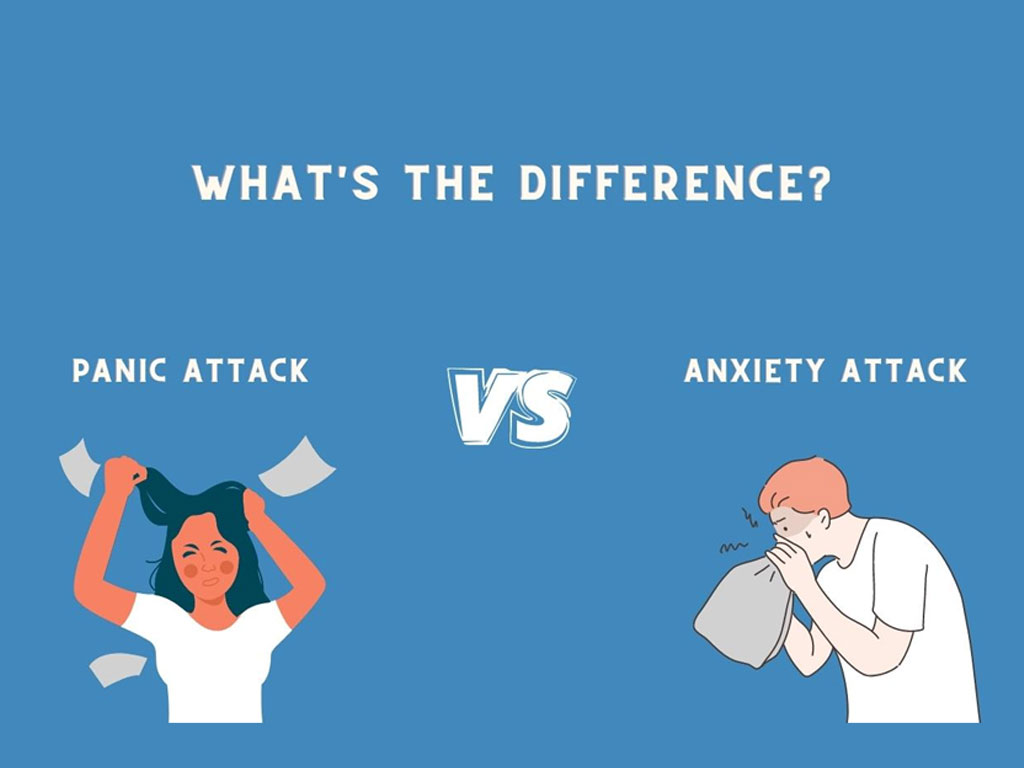
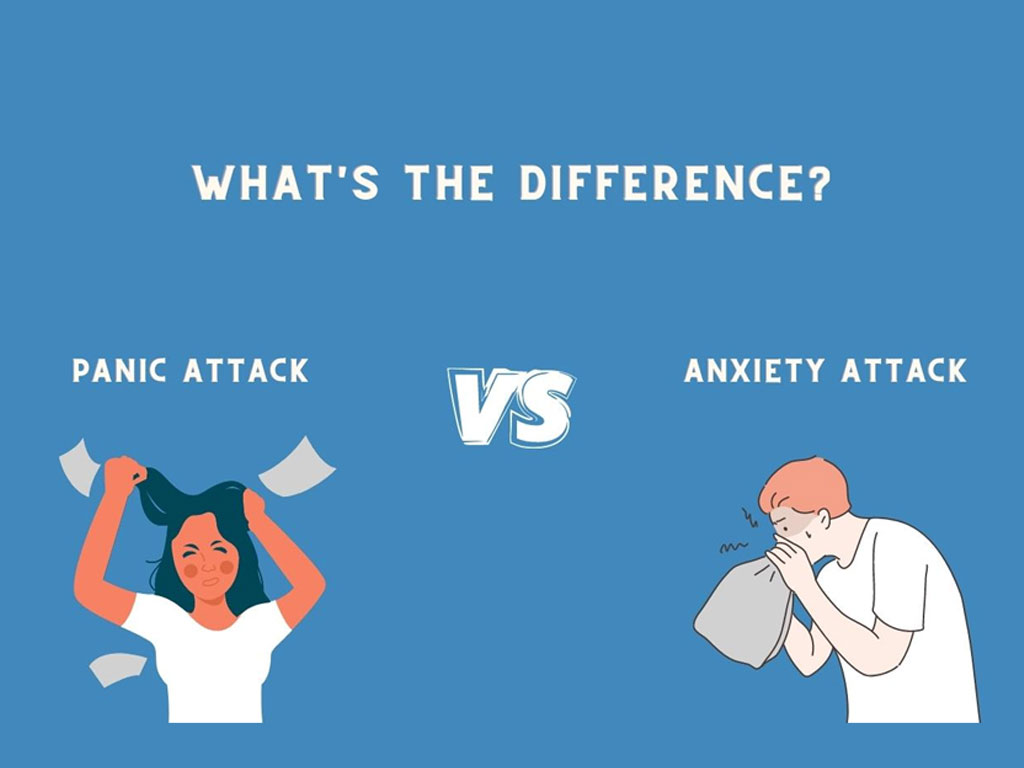
Anxiety attacks and panic attacks can feel similar, but they’re different experiences.
An anxiety attack usually builds gradually, often triggered by stress, overthinking, or a specific worry.
It brings persistent fear, restlessness, and a sense of being overwhelmed.
A panic attack, on the other hand, comes on suddenly and intensely, with strong physical symptoms like chest pain, rapid heartbeat, trembling, and breathlessness.
While anxiety feels like something might go wrong, a panic attack feels like something is going wrong right now.
Understanding this difference can help you recognise your symptoms and seek the right kind of support.
What is an Anxiety Attack?
An anxiety attack isn’t a formally defined medical term. However, it is widely used to describe a period of overwhelming fear or worry that builds gradually.
It can be viewed as an emotional wave that rises over time.
Common signs of an anxiety attack include:
- Feeling tense, restless or “on edge”
- Constant worry or fear that something might go wrong
- Racing thoughts
- Trouble concentrating
- Increased heart rate
- Stomach discomfort or nausea
- Difficulty sleeping
- Irritability
Anxiety attacks usually develop in response to stress. This may include work pressure, relationship struggles, financial worries, exams or even prolonged uncertainty.
They can last anywhere from a few minutes to several hours, depending on the person and situation.
Patterns to notice:
- Anxiety attacks usually build gradually rather than appearing suddenly.
- You may feel a steady rise in worry or unease as the episode develops.
- Thoughts often become repetitive or overwhelming, making it hard to think clearly.
- Many people describe feeling stuck in their own thoughts, unable to shift focus.
- It may feel like you can’t switch off, even when you try to calm yourself.
What is a Panic Attack?
A panic attack is much more sudden and physically intense than an anxiety attack.
It hits without warning, often when everything seems normal.
Some people even believe they’re having a heart attack the first time it happens.
Common symptoms include:
- Sudden, overwhelming fear
- Rapid heartbeat or pounding heart
- Chest pain or pressure
- Difficulty breathing or feeling “choked”
- Sweating, trembling or shaking
- Dizziness or fainting sensation
- Numbness or tingling in hands/feet
- Chills or hot flashes
- Feeling detached from reality
A panic attack usually peaks within 10–15 minutes, though the emotional aftermath can last longer.
Patterns to notice:
- Panic attacks typically begin suddenly, without a clear warning.
- Symptoms peak quickly, often within 10–15 minutes.
- The experience feels intense and overwhelming, both physically and emotionally.
- Many people report a strong sense of impending danger or fear of losing control.
- Physical symptoms like chest pain, breathlessness, trembling, or dizziness appear abruptly.
- The episode may feel disconnecting, as if you’re not fully present in your surroundings.
What's the Difference Between Anxiety and Panic Attacks?
So, are panic attacks the same as anxiety? Not exactly.
Although they share some symptoms, the nature, speed, and intensity of the two experiences are different.
Here are some pointers to help you answer the question –
Trigger vs. No Trigger
- Anxiety Attacks: Attacks usually have a traceable cause, like stress, worry, overthinking.
- Panic Attacks: Attacks can occur without any obvious trigger.
Build-up vs. Sudden onset
- Anxiety Attacks: Anxiety escalates gradually.
- Panic Attacks: Panic attacks strike abruptly.
Mental vs. Physical dominance
- Anxiety Attacks: Anxiety often feels more mental/emotional (worry, dread).
- Panic Attacks: Panic attacks feel more physical (chest pain, breathlessness, trembling).
Duration
- Anxiety Attacks: Anxiety attacks can last longer and fluctuate.
- Panic Attacks: Panic attacks peak quickly and resolve within minutes.
Intensity
- Anxiety Attacks: Although intense in some cases, may get better in a while.
- Panic Attacks: Panic attacks are often more intense and overwhelming.
Sense of Danger
- Anxiety gives a feeling of “something might go wrong.”
- Panic gives a feeling of “something is going wrong right now.”
Recognising these differences can help you respond to your own symptoms more compassionately and avoid misinterpreting your body’s signals.
When to Seek Help
Reaching out for help isn’t a sign of weakness. In fact, it is a sign of courage.
You should consider speaking to a mental-health professional if:
- Your episodes are becoming frequent
- You feel scared of the next attack
- You’re avoiding places, people, or activities
- You struggle to sleep, function, or concentrate
- The physical symptoms feel unbearable
- You feel hopeless or overwhelmed
- Anxiety or panic is affecting work, relationships, or daily life
If you ever experience these signs, please get medical attention to rule out any physical condition:
- chest pain,
- trouble breathing, or
- fainting sensations,
At Maarga Mind Care, you’ll find experienced clinicians and experts in adult psychiatry who understand how overwhelming these episodes can feel.
They can help you make sense of your symptoms, build healthier coping strategies, and work toward long-term emotional stability.
Conclusion
Both anxiety and panic attacks are deeply human experiences. They reflect emotional overload, not failure or a lack of emotional resilience.
If you’re going through this, remember:
- You’re not “too sensitive.”
- You’re not imagining things.
- You’re not alone.
Your feelings deserve care, and you deserve support. With the right guidance and awareness, you can understand your symptoms better and build healthier ways to cope.
Healing doesn’t happen overnight, but every step counts. Even reading this is a step toward understanding yourself with more kindness.
If you feel you need professional support, Maarga Mind Care offers a safe, compassionate space to help you navigate these experiences.
Our clinicians and experts work closely with you to build lasting emotional strength and clarity.
FAQs
Q. What is the main difference between an anxiety attack and a panic attack?
A. When you look at anxiety vs panic, the biggest difference is how each experience begins and how intense it feels. An anxiety attack usually builds slowly and is tied to ongoing stress: work pressure, relationship worries, health fears, or overthinking. You’ll notice rising worry, tension, and the typical physical symptoms of anxiety, such as a racing heart, tightness in the chest, or stomach discomfort. A panic attack, however, appears suddenly and peaks within minutes. It brings a rush of overwhelming fear with strong physical symptoms like breathlessness, shaking, chest pain, dizziness, or the feeling that something terrible is happening right now.
Q. How long do anxiety attacks typically last?
A. Anxiety attacks can last anywhere from a few minutes to several hours, depending on your emotional state and what triggered it. Because anxiety builds gradually, the discomfort can linger longer than a panic attack. Physical symptoms of anxiety—such as restlessness, sweating, difficulty concentrating, or muscle tension—may come and go throughout the episode. Understanding this pattern is important because it helps you recognise when you might need grounding strategies or other ways of coping with anxiety before it escalates.
Q. Can anxiety attacks lead to panic attacks?
A. Yes, they can. For some people, long periods of intense worry or emotional overload can suddenly shift into a panic attack. When anxiety becomes overwhelming, the body can go into a “fight or flight” response, triggering the abrupt and intense symptoms of a panic attack. This doesn’t mean every anxiety episode will turn into panic, but paying attention to early physical symptoms of anxiety—like shortness of breath, trembling, or racing thoughts—can help you step in early with coping tools.
Q. What are common triggers for panic attacks?
A. Triggers for panic attacks vary widely from person to person. Some of the most common ones include:
- Past trauma or reminders of traumatic events
- Specific phobias, such as fear of flying or crowded places
- High stress levels at work, home, or in relationships
- Caffeine, nicotine, or certain stimulants
- Major life changes, uncertainty, or emotional shock
- Health anxiety, especially when someone misinterprets normal physical sensations
- Sometimes, no trigger at all, which makes the experience even more frightening
Being aware of your personal triggers—and how your body responds—can help you manage episodes better and build long-term ways of coping with anxiety and panic.
Q. Are there physical symptoms associated with anxiety attacks?
A. Anxiety doesn’t only affect your thoughts. It shows up in the body too. Some of the most common physical symptoms of anxiety include a racing or pounding heart, tightness in the chest, stomach discomfort, nausea, shaking, sweating, headaches and shortness of breath. Many people also feel restless, on edge, or unusually irritable. These symptoms can build slowly and intensify as the anxiety attack progresses, which is why recognising them early can help you step in with grounding or breathing techniques before it becomes overwhelming.