

 7026275757
 Chat with us
Synopsis
Table of Contents
| Section No. | Topic |
|---|---|
| 1 | World Schizophrenia Awareness Day |
| 2 | What is Schizophrenia? |
| 3 | Signs & Symptoms |
| 4 | Myths vs Facts |
| 5 | Treatment & Long-Term Management |
| 6 | Role of Family Support |
| 7 | When to Seek Help |
| 8 | FAQs |
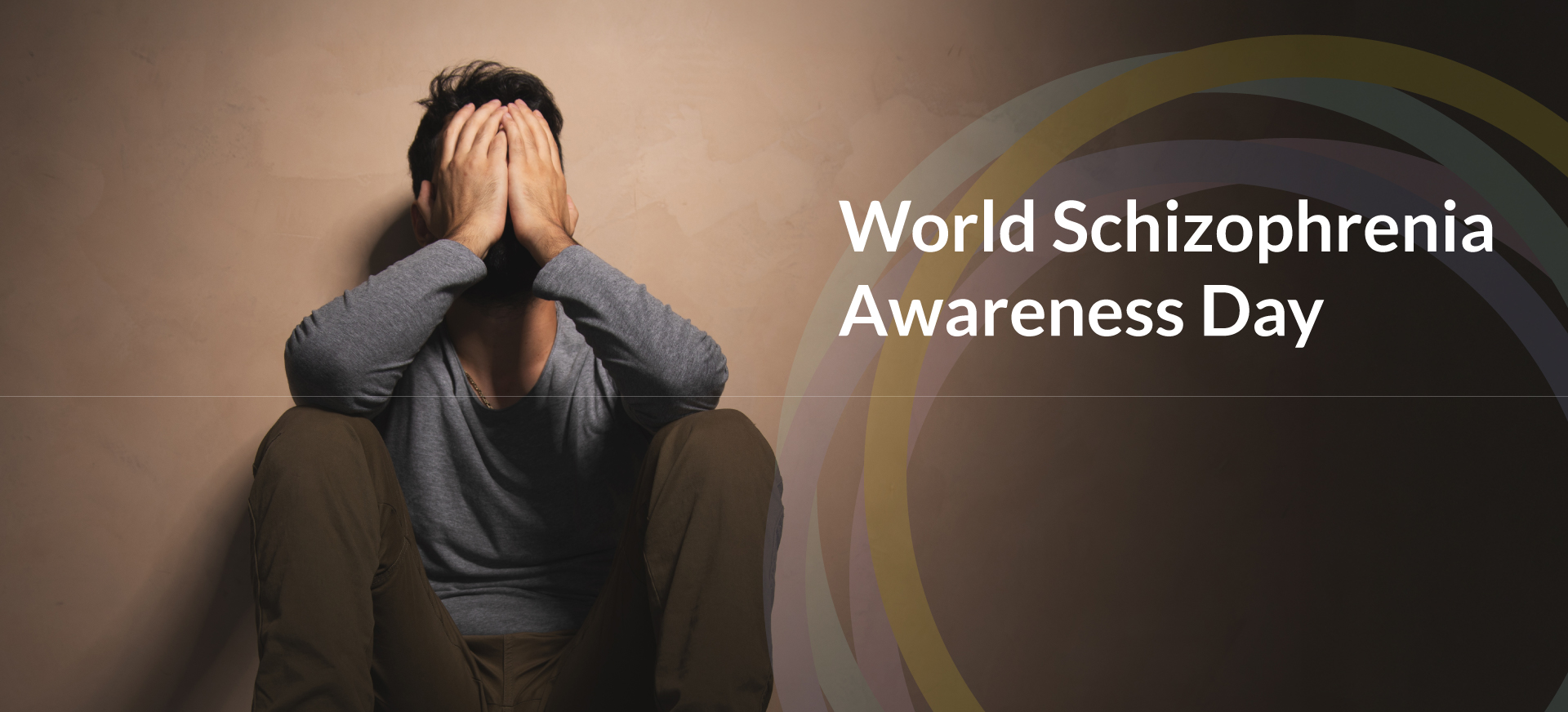
World Schizophrenia Awareness Day
Schizophrenia is a misunderstood mental health condition. There are various myths and misconceptions about individuals living with the condition, which can amplify their issues. Besides, there is a lack of care facilities for those dealing with the illness and their families.
Various individuals and organisations address such issues on World Schizophrenia Awareness Day observed on May 24. On this day, emphasis is laid on understanding signs and symptoms, and the impact that schizophrenia can have on those diagnosed. It offers an opportunity to understand how early recognition and care can be impactful.
What is Schizophrenia?
Schizophrenia is a chronic mental health condition marked by symptoms like delusions and cognitive impairments. In case of early onset, this chronic condition can become disabling for many patients and their families. The illness therefore affects social, personal, occupational, educational and many other areas of life.
It affects approximately 23 million people globally, and yet stigma and discrimination persist. World Schizophrenia Awareness Day helps address such unfairness.
Signs & Symptoms
Schizophrenia is marked by impairments in the perception of reality and shifts in behaviour. A mental health hospital must be contacted on noticing any of the following symptoms:
- Delusions which are fixed beliefs that something is true despite a lack of evidence.
- Hallucinations or seeing, hearing, smelling, feeling or touching things that are absent.
- Feeling like thoughts and feelings are generated and placed in the mind by someone else or being broadcast.
- Doing bizarre or purposeless things or engaging in other types of disorganised behaviour.
- Feeling extremely agitated or having slow movements.
- Having limited speech and emotional expression.
On World Schizophrenia Awareness Day 2026, emphasis can be laid on the fact that these symptoms or the condition itself do not define an individual with schizophrenia.
Myths vs Facts
1. Myth: Those with schizophrenia cannot live alone
For patients, performing activities alone may be difficult. However, treatment and support may be beneficial.
2. Myth: Diagnosed individuals are violent
Most individuals with schizophrenia are not violent. However, a history of violence or inappropriate treatment can make them so.
3. Myth: Schizophrenia treatments are always ineffective
For some individuals, treatments, especially medications, can work. They can help significantly reduce symptoms.
On World Schizophrenia Awareness Day, individuals or organisations can focus on activities that help debunk such myths. This can help individuals better understand this complex disorder.
Treatment & Long-Term Management
Schizophrenia treatment continues lifelong. The approach involves a combination of medicines and psychosocial therapy. These can help manage symptoms even when there may be no visible issues. If symptoms are severe, some individuals may have to stay at a mental health facility.
For long-term management, individuals can focus on quitting substances, resting more, learning relaxation and stress management and joining a support group.
Role of Family Support
Family members can play an important role in recognising and managing symptoms. They also have a central role in making a patient feel safe and heard. They can help prevent relapse and enhance recovery.
To offer support, family members can start by learning about schizophrenia and how to help when symptoms occur. As an additional step, family members can organise World Schizophrenia Awareness Day activities focused on raising awareness.
When to Seek Help
It is ideal to seek immediate help from a psychiatrist for schizophrenia when symptoms are noticed. Early intervention can improve long-term management. If an individual experiences extreme distress due to social exclusion, is plagued by symptoms or is losing touch with reality, they may require immediate and complete hospital care.
FAQs
Q. What are the early signs of schizophrenia?
A. Early signs include delusions, hallucinations, disorganised behaviour, extreme agitation or slowed movement, reduced speech or emotional expression, and social withdrawal.
Q. Is schizophrenia curable or manageable?
A. It cannot be cured, but it can be managed with consistent treatment. This can help reduce symptoms and may improve quality of life.
Q. What causes schizophrenia?
A. A single cause of schizophrenia may not be known. However, the condition is marked by changes in brain function which affect perception, thinking, and behaviour.
Q. How is schizophrenia treated?
A. Schizophrenia can be treated with various medications and psychosocial therapies.
Q. Can people with schizophrenia live normal lives?
A. They can live a normal life if they get the right treatment and receive support from friends and family.