
 7026275757
 Chat with us
Synopsis
Table of Contents
What is Autism Awareness Month?
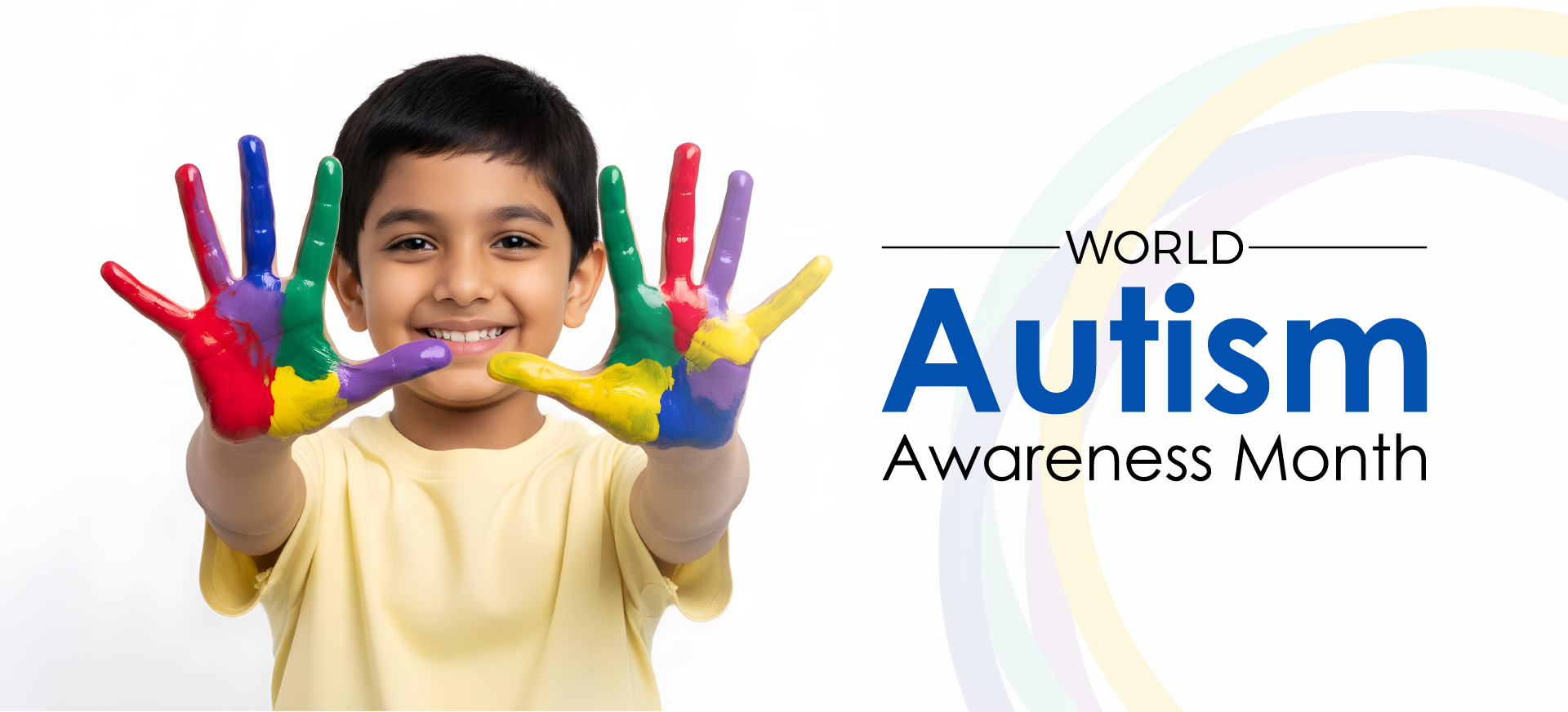
Autism awareness month is a global initiative dedicated to educating the public about Autism Spectrum Disorder (ASD). It has evolved into a movement for acceptance, moving beyond just knowing autism exists to creating a society where neurodivergent individuals are valued and included in schools, workplaces, and local communities.
When is Autism Awareness Month Observed?
The month is observed every April. It officially kicks off with World Autism Awareness Day on April 2nd. This date was established by the United Nations to highlight the need to help improve the quality of life for those with autism, so they too can lead full and meaningful lives as an integral part of society.
Theme & Importance of Autism Awareness
The theme for 2026 is "Celebrate Differences." This theme encourages people to move past mere tolerance and start appreciating the unique perspectives and talents that autistic people bring to the world.
Why This Month Matters:
- Breaking Stigma: It helps clear up myths that can lead to families feeling isolated.
- Building Empathy: It teaches neighbours and relatives to see the world through a different lens.
- Promoting Inclusion: It encourages workplaces and schools to adapt to different needs.
- Resource Sharing: It connects families to vital support networks and autism education initiatives.
What is Autism Spectrum Disorder (ASD)?
Autism is a neurodevelopmental condition that influences the way a person communicates and interacts. It is a spectrum, meaning it looks different for everyone. It is not a disease to be cured, but a different way the brain processes information.
While modern diagnosis follows the DSM-5 criteria for ASD which categorises autism under levels of support needed (mild, moderate, severe), you might still encounter these previously used types:
- Autistic Disorder: Often called "classic" autism, involving significant language and social delays.
- Asperger’s Syndrome: Characterised by average or above-average intelligence but challenges with social interaction.
- Pervasive Developmental Disorder – Not Otherwise Specified (PDD-NOS): A diagnosis used when a person has some, but not all, symptoms of other types.
- Childhood Disintegrative Disorder: A rare condition where a child develops normally for at least two years and then loses acquired skills.
Signs and Symptoms of Autism
Signs of autism vary across different life stages. Common autism symptoms include:
Children
- Social Challenges: Difficulty making eye contact or responding to their name.
- Communication Gaps: Delayed speech or repeating phrases from favourite media.
- Repetitive Behaviours: Rocking, hand-flapping, or a deep obsession with toy alignments.
Adolescents
- Social Anxiety: Struggling with the complex social hierarchy of middle and high schools.
- Hyper-fixation: Intense focus on specific subjects like coding, trains, or space.
- Sensory Overload: Feeling overwhelmed by the loud noises and bright lights of busy festivals or markets.
Adults
- Executive Functioning: Challenges with managing household bills, time, or complex work tasks.
- Social Exhaustion: Feeling burnt out after a family gathering or office meeting.
- Need for Routine: Intense distress if a travel plan or daily habit is disrupted.
Causes and Risk Factors
Research into the causes of autism is ongoing. Current science points to a mix of factors:
- Genetics: A strong family link often exists, suggesting certain genes play a role.
- Brain Development: Differences in how neurons connect and process information.
- Environmental Factors: Factors affecting prenatal health and birth complications.
Note: Science has proven there is no link between vaccines and autism.
Diagnosis and Early Screening
Diagnosis is usually done by a Paediatrician, Psychiatrist, or Clinical Psychologist.
- Developmental Screening: Checking milestones at 9, 18, and 24 months is crucial.
- Comprehensive Evaluation: Detailed testing to understand the individual's unique strengths and needs.
- Adult Diagnosis: While the diagnostic process usually starts in childhood, many individuals are only identified later in life. Increasing awareness is leading more adults to seek clinical evaluations.
Treatment and Support Options
The goal of autism treatment is to improve functional independence and quality of life.
Common Approaches:
- Applied Behaviour Analysis (ABA): Teaching social and communication skills through positive reinforcement.
- Speech and Language Therapy: Vital for individuals who are non-verbal or have trouble with social conversation.
- Occupational Therapy (OT): Helps with sensory processing and daily tasks like writing or motor coordination.
- Social Skills Training: Helps adolescents and adults navigate social and professional spaces.
Importance of Early Intervention
Starting therapy as early as possible (ideally before age 3) leads to the best outcomes:
- Better integration into mainstream schools.
- Higher chances of independent living in adulthood.
- Improved emotional regulation and social confidence.
How to Support Individuals with Autism
Supporting people with autism requires empathy and practical changes in our daily lives.
- Be Patient: Give an autistic person extra time to process a question in a busy environment.
- Use Clear Language: Avoid double meanings or sarcasm that can be misunderstood.
- Respect Sensory Needs and Boundaries: Understand that everyone processes sensory inputs differently. Loud music, bright flashing lights, strong perfumes, or even certain fabric textures can be physically painful or overwhelming for autistic individuals. Always respect their need to step away or use tools like noise-cancelling headphones, anti-glare glasses, or seamless clothing. In shared spaces, try to avoid wearing heavy scents or lighting incense.
- Offer Deep Pressure Support: If an autistic person becomes overwhelmed or has a meltdown, they may benefit from a firm, grounding hug to calm their nervous system. However, sensory defensiveness is common, so always respect their boundaries and ask for permission before touching.
- Promote Inclusion: Support autism education initiatives in your local community or neighbourhood.
- Participate: Engage in activities for autism awareness month, such as local awareness walks or supporting businesses that hire neurodivergent staff or are owned by them.
Final Note
Autism is not a tragedy to be ignored and nor are autistic people stubborn or difficult; it is a different way of experiencing the world. By embracing acceptance, we make our society a better place for everyone, regardless of how their brain is wired.
FAQs
Q. When is Autism Awareness Month observed and why is it important?
A. It is observed every April to help the world understand and accept autistic people. This is important to reduce the social stigma that prevents families from seeking help.
Q. What activities are organised during Autism Awareness Month?
A. Activities include lighting up buildings in blue, hosting marathons, and organising art exhibitions for neurodivergent artists across major cities.
Q. How can schools and communities participate in Autism Awareness Month?
A. Schools can hold assemblies on neurodiversity, and communities can create quiet hours in parks or malls for those with sensory sensitivities.
Q. What is the goal of Autism Awareness Month campaigns?
A. The goal is to move beyond mere awareness and reach a stage of total social and professional inclusion for autistic individuals.
Q. How can families support autism awareness initiatives?
A. Families can share their lived experiences to educate others and advocate for better accessibility in public spaces like transport stations and shopping centres.