

 7026275757
 Chat with us
Synopsis
Occupational therapy for Autism improves sensory processing, movement coordination, the ability to continue performing routine daily activities, and social connectivity. By incorporating play-based and goal-oriented activities on an individual basis, occupational therapists help children and adults face everyday challenges more confidently and independently. This article works as a perfect guide showcasing the benefits of occupational therapy, techniques involved, session structure, and frequently asked questions.
Overview
Autism is one of the most commonly observed mental health disorders affecting children and adults equally. It particularly impacts how they interact with the world around them. Commonly observed challenges with autistic individuals include sensory processing, movement, inability to carry out routine activities, and social interaction. However, with Occupational therapy activities for autism, there has been a considerable shift in the positive direction for impacted individuals, as this is one of the most effective, evidence-based interventions designed to help them build functional skills, independence, and confidence in everyday life.
Occupational therapy for autism helps children through hands-on activities like sensory play, self-care practice, and movement-based tasks, so that they gain confidence and return to real-life functional participation at home and school.
Role of Occupational Therapy in Autism
The main objective behind occupational therapy for kids with autism is to build in that all-important self-confidence to operate independently as much as possible in everyday environments.
The advantage of this therapy is that it commences early in treating autism. However, its benefits remain long after, right through adolescence and adulthood. OT adapts across life stages, from early childhood sensory play to adult workplace readiness.
Skills OT Helps Improve
Occupational therapy for kids with Autism goes a long way to support a wide range of developmental and functional skills, including:
- Autism fine movement skills improvement
- Sensory processing and modulation
- Focus on task completion
- Emotional regulation and coping skills
- Social skill building for autism
- Independently perform simple to medium comfort tasks
- School readiness and classroom participation
Your therapist customises each therapy plan to your child’s unique strengths, challenges, and complexity of the disorder.
Common OT Techniques
| Techniques | Action |
|---|---|
| Sensory Integration Therapy | Helps children in addressing any issue with processing sensory input (sound, touch, movement) more effectively. |
| Play-based therapy | Focuses on naturally building up skills through recreation activities and games. |
| Task analysis | Breaks complex tasks (like dressing) into manageable steps. |
| Adaptive skill training | Provides various options that are comfortable in completing tasks successfully |
| Visual support | Uses charts, schedules, and cues for structure and predictability. |
These OT tools and activities are improved simultaneously as the child progresses to suit his/her comfort.
What Happens in OT Sessions?
Occupational therapy for Autism sessions for children are carefully crafted to support sensory processing, movement skills, self-care, and emotional regulation.
- A typical session often begins with sensory warm-up activities such as swinging, bouncing, or using marginally heavy items.
- This can help children in regulating their sensory system, improve focus, and prepare for more structured tasks.
- Fine motor skill development is an essential and key ingredient of the therapy.
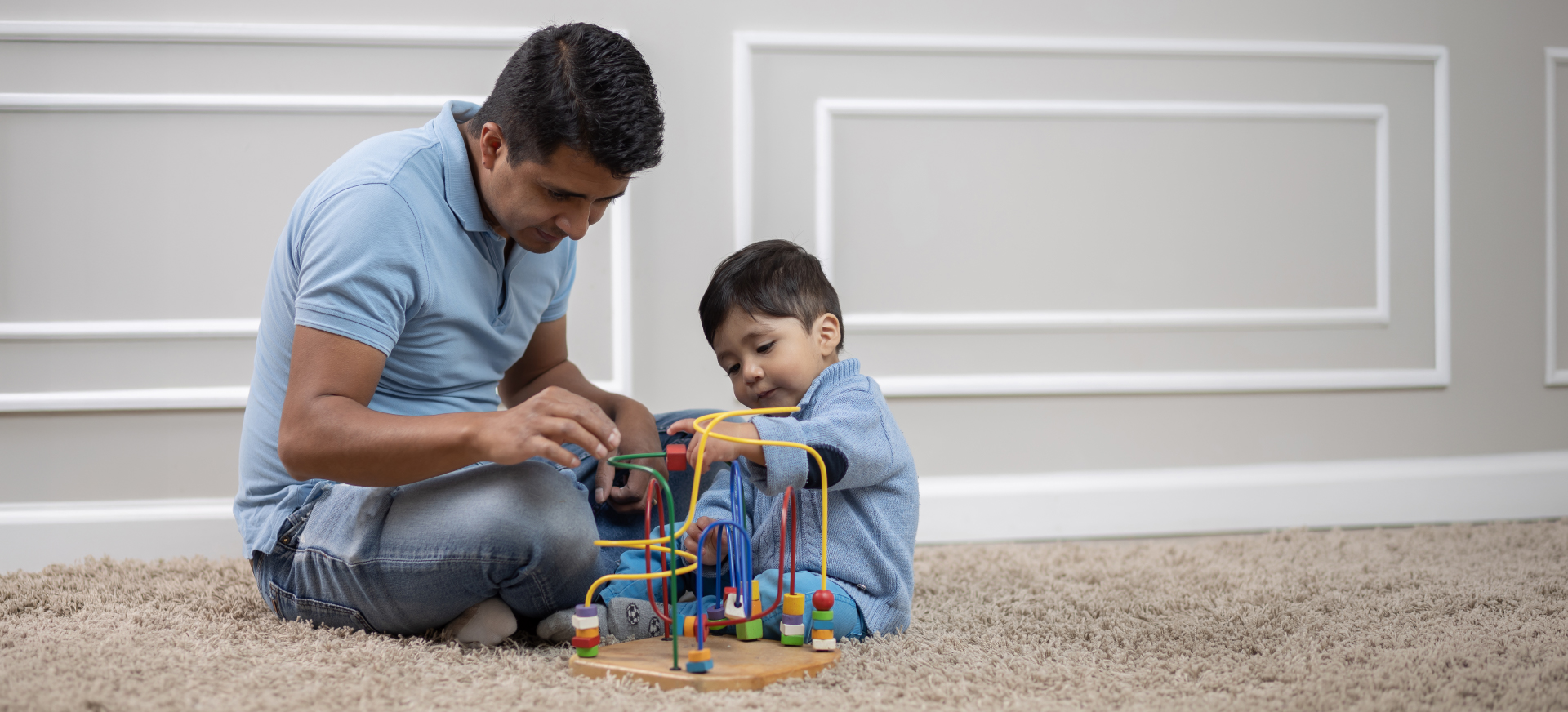
- It can include activities like completing puzzles, doing crafts using scissors, or practising writing with adapted tools, all of which improve hand strength, coordination, and precision to a great extent.
- Strategically conducted OT sessions also emphasise self-care skills, such as practising zipping and buttoning clothes, following hygiene routines, and helping children become more confident in daily activities.
- Social interaction is encouraged by introducing shared tasks, which support communication, cooperation, and appropriate social behaviours and help working as a team to achieve either common or independent goals.
- Additionally, seasoned and well-experienced therapists introduce calming strategies and emotional regulation exercises, such as deep-breathing techniques, visual supports, or quiet sensory activities, to help children manage stress and transitions.
- Depending on your child’s needs, occupational therapy sessions may take place in clinics, schools, homes, or community environments, allowing practical application of skills in real-life settings.
Benefits for Children & Adults
Occupational therapy for severe Autism can benefit impacted individuals across the autism spectrum.
For Children
- Improved, positive mind frame in being self-dependent
- Better participation in classrooms
- Better engagement with peers and friends
- Reduced sensory meltdowns
- Better motivation to engage in competitions.
For Adolescents & Adults
- Feeling more interested in learning life skills for employment
- Vastly improved daily routines
- Better stress management
- Increased confidence and autonomy
OT supports long-term quality of life rather than short-term solutions to fix issues.
How Parents Can Support?
Parents can play a huge role when it comes to jointly seeing the success of occupational therapy activities for autism. Simple contributions can include:
- Help by practising recommended activities at home
- Adhering to consistent routines
- Using visual schedules
- Communicating regularly with the therapist
- Reinforcing skills in daily life
Collaboration between parents and therapists ensures lasting progress.
Why Occupational Therapy for Autism Is Evidence-Based and Trustworthy?
- This therapy sees seasoned occupational therapists work hands-on with children in real-life to help children respond better to everyday demands.
- Specially trained and licensed occupational therapists receive specialised training in autism-focused interventions, child development, sensory processing, and adaptive strategies. Many pursue advanced certification in sensory integration and the neurodevelopmental approach to better support autistic individuals.
- This is a trusted theory and is supported by evidence-based frameworks such as Ayres Sensory Integration®, motor learning theory, and developmental models.
- Each therapy plan is customised, goal-driven, and regularly reviewed. Parents actively co-operate with therapists to ensure consistency, safety, and realistic outcomes.
Conclusion
Autism can be professionally and effectively managed with the right guidance, structured therapy, and consistent support. When care is delivered by experienced specialists, individuals with severe autism can make meaningful progress in daily functioning, communication, and independence.
Maarga Mindcare Hospital is a dedicated mental health and neurodevelopmental care centre that offers individualised occupational therapy programs for children and adults with autism. With a multidisciplinary team of psychiatrists, occupational therapists, psychologists, and special educators, the hospital focuses on evidence-based therapy, personalised goal setting, and family involvement to ensure long-term outcomes.
If you are exploring occupational therapy for severe autism and need expert guidance, start a conversation with Maarga Mindcare today. A personalised consultation can help you clearly understand therapy options, realistic goals, and the right next steps toward sustained development and improved quality of life.
Get expert guidance for severe autism care at Maarga Mindcare Hospital
Frequently Asked Questions
Q. How does occupational therapy help children with autism?
A. Occupational therapy helps children with autism develop the necessary practical skills needed to carry out daily routine tasks in life. It enables children to participate more comfortably at home, school, and in social environments.
Q. What skills does OT improve in autism?
A. OT improves fine motor skills, overall coordination, self-care abilities, concentration, emotional regulation, and social connectivity. It also supports functional skills development such as dressing, eating, writing, and following routines.
Q. What activities are used in occupational therapy for autism?
A. Activities include sensory play, puzzles, crafts, movement exercises, handwriting practice, daily living tasks, and social games. Therapists use structured yet playful approaches and activities tailored to suit each child’s needs.
Q. How often should a child attend OT sessions?
A. It depends on the child’s needs complexity of the issue. Many children attend 1–3 sessions per week, with regular reassessment to adjust intensity as skills improve.
Q. Can occupational therapy improve sensory issues?
A. Yes. Sensory integration is a core focus of OT. Therapy helps children better process sensory input, reducing stress and nervousness, improving focus, and enhancing emotional regulation.