
 7026275757
 Chat with us
Synopsis
Table of Contents
Overview
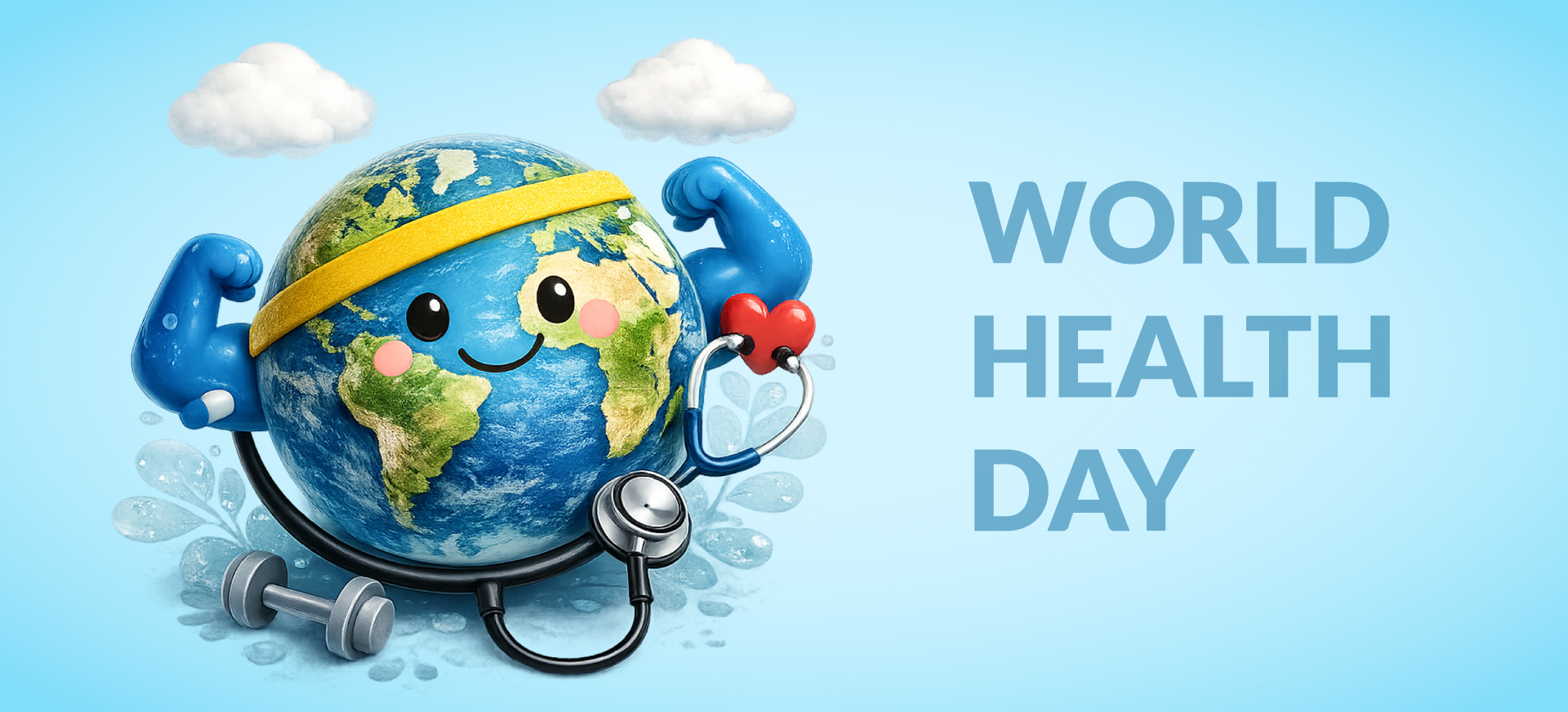
Every year one day reminds the entire world that health is not a privilege, it is a right. That day is World Health Day, observed on April 7th. From government offices to school classrooms to local clinics, this day brings people together around one shared goal: better health for all.
With rising non-communicable diseases, a wide mental health treatment gap, overlooked female health concerns, and millions still struggling to access basic care, World Health Day 2026 is not just a celebration. It is a call to action.
What is World Health Day?
World Health Day is a global health observance led by the World Health Organisation (WHO). It was established to mark the founding of WHO and has since grown into one of the most important dates in the public health calendar.
Each year, a specific health issue is highlighted to push awareness, drive policy, and mobilise communities. Here is what World Health Day stands for:
- Raising awareness about preventable health conditions
- Encouraging governments to take stronger health policy action
- Giving communities a platform to demand better healthcare
- Celebrating the progress science and medicine have made
When is World Health Day Celebrated?
World Health Day is celebrated every year on April 7th. This date marks the anniversary of WHO's founding in 1948. It has been observed annually since 1950 and is now one of the most recognised global health events in the world.
Theme of World Health Day 2026
The official world health day theme for 2026 is: "Together for Health. Stand with Science." This theme launches a year-long global health awareness campaign focused on scientific collaboration. Science saves lives, but only when people trust it, use it, and fund it.
The 2026 theme focuses on:
- Celebrating what science has achieved in medicine and public health
- Encouraging governments to make evidence-based health decisions
- Promoting the One Health approach, which connects the health of people, animals, and the environment
- Rebuilding trust in health systems through facts and research
This campaign is backed by two major global gatherings, the International One Health Summit and the Global Forum of WHO Collaborating Centres, where scientists and health experts from across the world come together to work towards shared health goals.
Importance of Global Health Awareness
Global health awareness helps by:
- Educating communities about disease prevention before symptoms appear
- Reducing stigma around conditions like mental illness, menstrual health, and HIV
- Encouraging early screening and diagnosis
- Pushing decision-makers to prioritise health budgets
Non-communicable diseases like diabetes, heart disease, and hypertension account for the majority of deaths in India currently. Yet most are preventable with the right knowledge and early action. Without awareness, even the best healthcare systems cannot help people who do not know they need help.
Physical and Mental Health Connection
Physical and mental health are deeply linked. One always affects the other.
- Chronic stress weakens immunity and raises blood pressure
- Poor physical health can trigger or worsen depression and anxiety
- Poor sleep, unhealthy eating, and lack of exercise all impact mood and cognition
- Hormonal changes during periods, pregnancy, and menopause can highly affect mood and emotional well-being
Mental health awareness remains one of the most underfunded areas of healthcare. The treatment gap is vast and many still feel ashamed to seek help, which delays treatment and worsens outcomes.
Common Health Challenges Today
- Non-communicable diseases (NCDs): Heart disease, diabetes, cancer, and chronic respiratory conditions now drive the majority of deaths in India.
- Mental health disorders: Anxiety and depression are some of the leading causes of disability worldwide, especially among young adults.
- Female health concerns: Conditions like Polycystic Ovarian Syndrome (PCOS), anaemia, painful periods, and cervical cancer are widely experienced but still under-discussed and under-diagnosed.
- Medical gaslighting: Many patients, particularly women, people with chronic pain, and those with mental health conditions, are told by doctors that their symptoms are "just stress" or "all in their head." This leads to delayed diagnoses and worsened outcomes.
- Maternal and child health: Despite progress, maternal mortality and child malnutrition remain serious concerns in underserved communities.
- Air pollution and climate-related illness: Environmental factors are increasingly linked to respiratory diseases, heat strokes, and waterborne infections.
- Healthcare access inequality: Rural and low-income communities continue to face major gaps in access to doctors, medicines, and diagnostic services.
Preventive Healthcare and Healthy Lifestyle
Public health initiatives have consistently shown that prevention costs far less than treatment.
Here are some simple habits that make a difference:
- Get regular health check-ups: Blood pressure, blood sugar, and cholesterol screenings can catch problems early
- Prioritise gynaecological check-ups: Don’t skip screenings for cervical health, PCOS, and anaemia
- Track your menstrual cycle: Irregular periods, excessive pain, or heavy bleeding are signs worth discussing with a doctor.
- Eat a balanced diet: Limit processed foods and increase intake of fruits, vegetables, and wholegrains in diet, which aids immunity and lowers the risk of several chronic diseases
- Stay physically active: Even a short daily walk lowers the risk of heart disease
- Prioritise sleep: A good night's sleep supports both mental and physical health
- Avoid tobacco and limit alcohol: These are linked to several cancers, liver disease, and heart conditions
- Manage stress through all means available: Breathing exercises, therapy, hobbies, or simply talking to someone can significantly help manage stress levels
- Consult a psychologist and get an assessment done for a mental health hygiene check
Role of Communities in Health Promotion
Communities are the backbone of public health. Here is how they can make a difference:
- Local health champions can spread awareness in languages and ways people actually understand
- Self-help groups and NGOs should reach populations that formal health systems miss
- Schools should build health literacy, including open conversations about periods and mental health
- Workplaces can support well-being through mental health policies, flexible working hours, and menstrual leave
- Community leaders can help break stigma and encourage people to seek care without shame
FAQs
Q. When is World Health Day celebrated each year?
A. World Health Day is celebrated every year on April 7th and remains one of the most important global health dates.
Q. What is the theme of World Health Day 2026?
A. The official theme is "Together for Health. Stand with Science." WHO chose this theme to highlight scientific collaboration and the need for evidence-based health decisions.
Q. What activities are conducted during World Health Day?
A. Activities conducted include free health check-up camps, school programs, government campaigns, social media drives, menstrual health workshops, free pad distribution, mental health open talks, free or low-cost counselling sessions, and policy discussions.
Q. How can schools and organisations celebrate World Health Day?
A. Schools and organisations can host health talks, mental health sessions, wellness workshops, menstrual health workshops, awareness drives, and encourage health screening.
Q. Why is World Health Day important for global health awareness?
A. It gives the world a shared moment to focus on one health priority, push for policy action, and remind everyone that better health is possible if we work together.