
 7026275757
 Chat with us
Synopsis
Table of Contents
What is Sexual Assault Awareness Month?
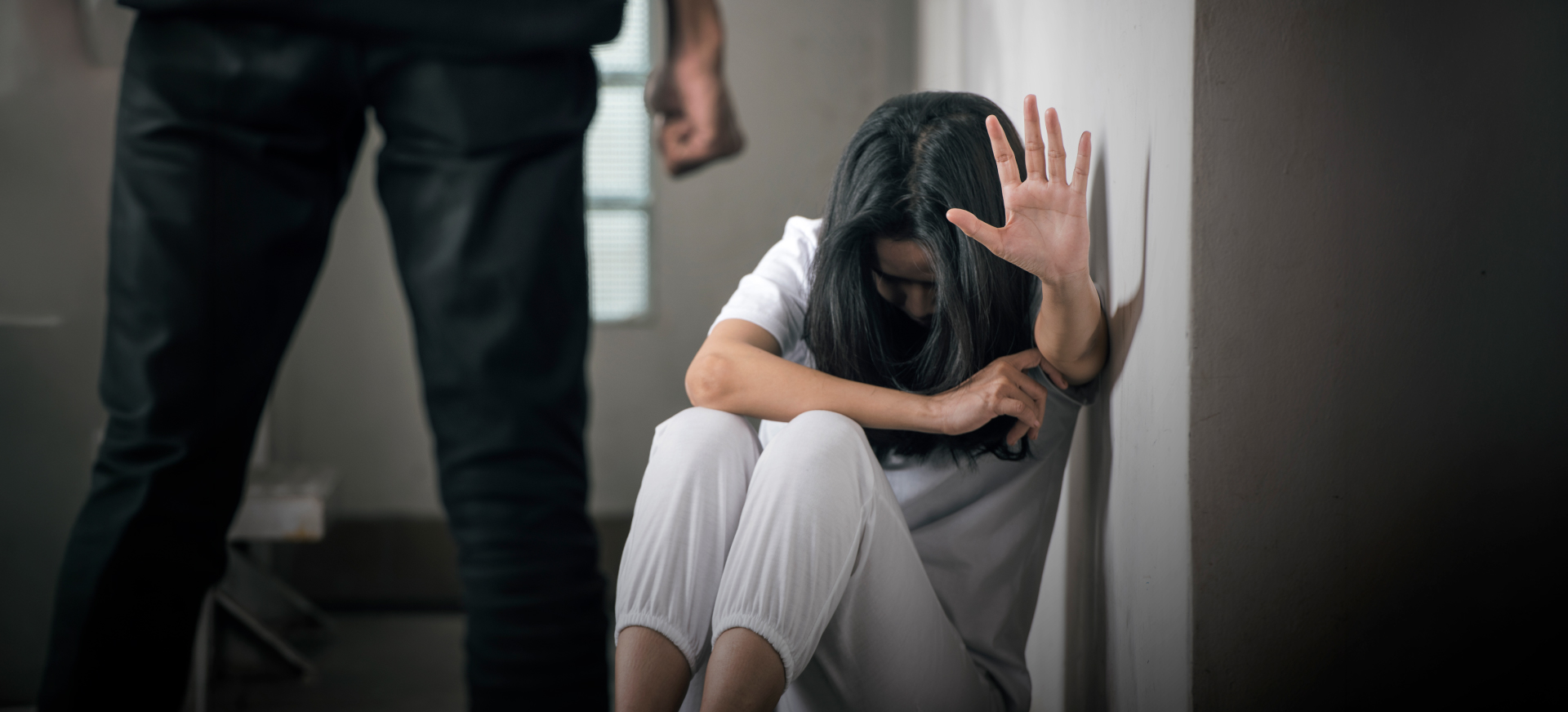
Sexual Assault Awareness Month is an annual campaign that brings communities together to talk openly about sexual violence, support survivors, and push for real prevention. It is a time to listen, learn, and take action, not just in public spaces, but in homes, schools, and workplaces too.
It is a reminder that sexual violence is not a private matter. It is a public concern that affects individuals across every community, background, and identity. What protects people is awareness, education, and the willingness to speak up and act.
When is Sexual Assault Awareness Month Observed?
Sexual Assault Awareness Month is observed every year in April, formally recognised since 2001. The colour for Sexual Assault Awareness Month is teal. Wearing a teal ribbon or teal clothing, especially on the Day of Action, the first Tuesday of April, is a visible way to show solidarity with survivors and signal your commitment to ending sexual violence.
Theme and Importance of Sexual Assault Awareness
The official 2026 theme is "25 Years Stronger: Looking Back, Moving Forward." It honours survivors and advocates who laid the foundation for this movement while renewing the focus on prevention, healing, and the work that still needs to be done. Sexual violence awareness remains as urgent as ever, and this milestone asks all of us to recommit. Progress has been made, but many survivors still face disbelief, and many communities still lack accessible support.
Understanding Sexual Assault
Sexual assault is any sexual act or contact that happens without a person's full, free, and informed consent.
- Coercion
- Manipulation
- Pressure
- Taking advantage of someone who is intoxicated, asleep, or unable to consent
- Unwanted touching
- Harassment
- Child sexual abuse
- Abuse within marriage or relationships
Sexual assault can happen to anyone, regardless of caste, age, gender, class, religion, or background. People within the LGBTQ+ community face disproportionately high rates of sexual violence, often with fewer safe spaces to turn to. Most survivors are harmed by someone they already know, such as a family member, partner, colleague, or person in a position of authority.
Impact of Sexual Assault on Mental Health
The impact of sexual assault can stay with a person for months, years, or even a lifetime. Common mental health responses include Post-Traumatic Stress Disorder (PTSD), depression, anxiety, shame, self-blame, sleep disturbances, nightmares, flashbacks, and withdrawal from daily life. For men and LGBTQ+ individuals, social stigma often compounds this further. Trauma does not discriminate, and it is never the survivor's fault.
Importance of Awareness and Prevention
Sexual violence awareness is not just about knowing these things happen. It is about changing the conditions that allow them to continue. Prevention starts with each of us, in how we speak, what we tolerate, and how we treat others.
Consent education campaigns are critical to this work. Consent is given without pressure, reversible, clear, and never assumed by silence, past behaviour, or clothing.
Awareness also means:
- Bystanders stepping in when something feels wrong
- Institutions creating safer spaces
- Speaking up when someone makes a joke about sexual assault, even among friends. That silence normalises real harm.
Supporting Survivors with Care
When a survivor comes forward, the most important thing they need is to be believed. Survivor support initiatives should see to it that survivors are met with compassion, not questions about what they were wearing or doing.
Community support looks like:
- Listening without judgement
- Not pushing for details they are not ready to share
- Asking what they need rather than deciding for them
- Connecting them with help when they are ready.
Supporting a survivor starts with three simple words: I believe you.
Counselling and Mental Health Support
Recovery from sexual assault is not linear, and no one should go through it alone. Trauma support services, including crisis helplines, one-on-one counselling, and group support spaces, play a vital role. Working with a trained psychologist who specialises in trauma can make a big difference. Approaches like Cognitive Behavioural Therapy (CBT) and Eye Movement Desensitisation and Reprocessing (EMDR) have shown meaningful results in helping survivors heal.
Reaching out for support is not a sign of weakness but a sign of strength.
Breaking the Stigma Around Reporting
Many survivors do not report what happened to them. Fear of not being believed, shame, and uncertainty about whether justice will be served are all real barriers. Sexual assault is never the survivor's fault, and always the fault of the person who chose to cause harm. Breaking the stigma means believing survivors, not questioning their memory, not victim-blaming, and building systems where they are heard with dignity and not shamed.
Resources and Professional Help
If you or someone you know needs support:
- iCall (iCall.tiss.edu): Free, confidential psychological counselling
- Snehi Foundation: Mental health helpline for emotional support
- Aks Foundation: 24/7 crisis helpline for survivors of gender-based violence
- Vandrevala Foundation Helpline (1860-2662-345): Round-the-clock mental health support
- POCSO e-box (pocso.ncpcr.gov.in): Safe reporting for child sexual abuse cases
- National Commission for Women (NCW) Helpline (+91 7827170170): For women seeking legal aid, guidance, and support against gender-based violence
- 112 India App: National emergency response app for quick, discreet help
FAQs
Q. When is Sexual Assault Awareness Month observed?
A. It is observed every April with the first Tuesday being the Day of Action.
Q. What activities are organised during Sexual Assault Awareness Month?
A. Community events, awareness walks, online campaigns, school workshops, survivor speak-outs, and teal ribbon drives are usually organised.
Q. How can communities support survivors?
A. Communities can support survivors by listening without judgment, sharing reliable resources, and challenging victim-blaming language and sexual assault jokes.
Q. Why is education important during Sexual Assault Awareness Month?
A. Education is important because understanding consent shifts attitudes and behaviours in real, lasting ways.
Q. What initiatives promote prevention and support during the campaign?
A. Consent education campaigns, survivor-led support groups, bystander training, and accessible trauma support services all make a direct impact.
Every voice matters. Every action counts. This April, and every month, stand with survivors.