
 7026275757
 Chat with us
Synopsis
Self-injury Awareness Month is observed in March, helping raise awareness about non-suicidal self-injury (NSSI). It helps reduce stigma and opens up conversations about self-harm. It aims to educate people about the causes and signs of self-harm and helps debunk common myths while promoting empathy and support. Through the spread of accurate information, it encourages individuals to seek professional help.
Table of Contents
Introduction
Self-injury or Non-Suicidal Self-Injury (NSSI) is common among adolescents and young adults and is used to manage emotional distress. At times, self-harm can be hard to identify as it is done in private and in a controlled manner. As many individuals may lack knowledge about self-harm, the awareness month helps break down stereotypes. During this month, messages spreading awareness or support for people who self-harm are shared.
What is Self-Injury?
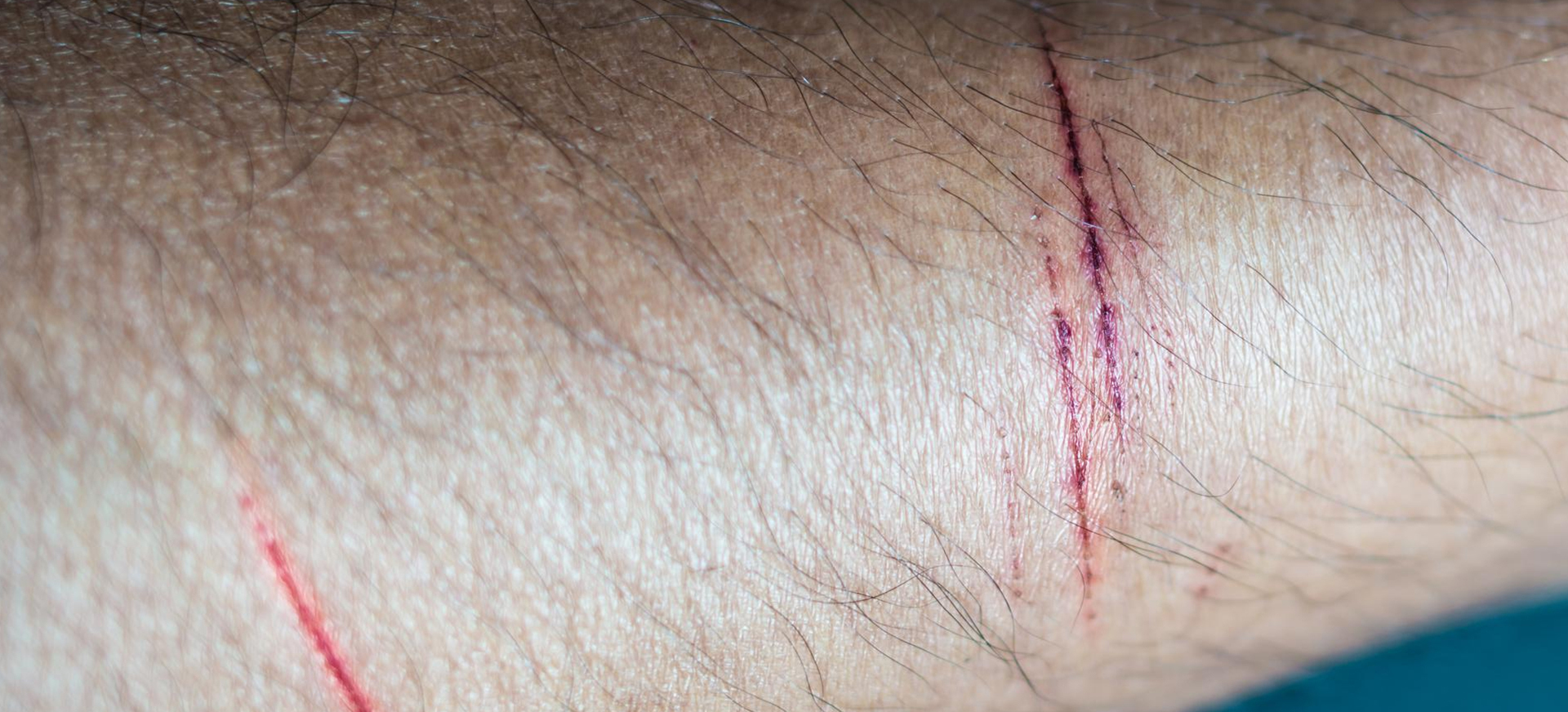
Self-injury is often a symptom of extreme emotional distress. It can refer to any behaviour that injures the body without the intention to end life. It is also known as NSSI, and it can take many forms, including cutting, self-hitting, scratching, burning, carving words or symbols, or piercing the skin with sharp objects. Arms, legs, and the front torso are frequent self-injury targets. Some individuals may use multiple methods to self-harm.
The following are some reasons why people self-harm:
- Lacking the ability to cope healthily with psychological issues.
- Emotional regulation and expression discrepancies or an inability to understand emotions.
- Inflicting harm when feeling emotionally numb or disconnected from their bodies.
- A belief that they deserve punishment.
Why Self-Injury Awareness Month Is Important
Self-Injury Awareness Month focuses on educating the general public about the nature of self-harm, and it aims to reduce the stigma around it. During the month of March, along with self-harm awareness, those who are struggling are encouraged to seek support. An orange ribbon symbolises the awareness cause and is worn by survivors, mental health professionals and even allies.
A considerable percentage of teenage girls and many boys have reported hurting themselves intentionally, according to the Centres for Disease Control and Prevention. Self-harm also affects adults, and owing to its afflicting a large demographic, it becomes important to educate the public, destigmatise self-harm and offer support.
Common Myths and Facts About Self-Injury
The stereotypes and stigma associated with self-harm are often driven by myths. These myths can create misunderstandings and induce fear or judgmental reactions. Understanding myths and facts is therefore essential:
- Myth #1: People self-harm to seek attention
Fact: Most, if not all, individuals who self-harm try to hide it by wearing long clothes, giving explanations for scars, or avoiding social interaction. Even when someone opens up, it should always be taken seriously and not dismissed as attention-seeking behaviour. - Myth #2: It is a rebellious phase
Fact: For some, self-harm may be a temporary response to stress, while for others it can become a pattern requiring professional support. Dismissing it as a phase can minimise suffering and delay necessary help. - Myth #3: Conversations about self-harm encourage it
Fact: Awareness and open conversations about self-harm do not encourage the behaviour. In fact, they can be life-saving, while silence may lead to feelings of isolation and invisibility.
Signs and Warning Indicators of Self-Injury
Some symptoms of self-injury may include:
- Scars, often in patterns
- Keeping sharp items on hand
- Frequent accidental injury reports
- Behaviours or emotions that shift abruptly or intensely
- Wearing long garments to hide injuries, despite the hot weather
- Difficult relationships with others
- Fresh wounds, scratches or burns
- Constant expression of feeling worthless or helpless
It is essential to seek support at a mental health hospital if any of these signs are noticed. Any self-harm thoughts can point to severe underlying problems that must be addressed urgently. Self-injury awareness's importance lies here; it can ensure that accurate support is sought at the right time.
Causes and Triggers Behind Self-Injury
There are multiple factors that can trigger self-harm. Some possible triggers are:
- Age: Being a preteen or early teen, when emotional changes are rapid. They may face peer pressure, may feel lonely or have conflicts with family members.
- Life Problems: If an individual has been neglected in the past or has been abused in any way, or has experienced traumatic events, the risk of self-injury may be high. An unstable family environment or questioning sexual or social identity can also be triggers.
- Being With People Who Self-Harm: If surrounded by people who self-harm, an individual can be influenced and begin self-harming.
- Substance Abuse: Being under the influence of a substance or having a substance use disorder can increase the risk of self-injury.
- Mental Health Problems: Self-injury is at times connected to certain mental health issues like depression, anxiety, post-traumatic stress disorders and eating disorders. Unhealthy self-criticism and issues with problem-solving can also increase self-harm risk.
During the self-injury awareness month, you can learn about warning signs and offer help to someone at risk. Help people build healthy connections and become aware of available professional support.
Conclusion
Self-Harm Awareness Month highlights the importance of compassion and support for those struggling with self-harm. When we understand signs, causes, and myths about self-injury, we can respond with empathy rather than judgment.
Awareness plays a vital role in encouraging open conversations and reducing stigma. Supporting someone who may be struggling can begin with simply listening and guiding them toward professional care. Ultimately, increased awareness helps create safer spaces where individuals feel seen, supported, and encouraged to seek the help they need.
FAQs
Q. What is Self-Injury Awareness Month?
A. March is Self-Harm Awareness Month. It helps educate people about the realities of self-harm and aims to reduce the stigma around it. During this month, individuals who self-harm are encouraged to seek professional support.
Q. Who does self-injury affect the most?
A. Self-harm may affect a large number of teenagers or young adults, but it is not limited to this age group. Self-harm affects people across age groups, ethnicities, genders, and socio-economic backgrounds.
Q. Is self-injury a mental illness?
A. Self-injury may not in itself be a mental illness, but it is at times connected to conditions like depression, anxiety disorders, eating disorders, or post-traumatic stress disorder.
Q. How can awareness help reduce stigma?
A. Stigma about self-harm can lead to harbouring incorrect beliefs, which may then limit support. Through complete awareness, an individual receives knowledge about self-harm, which creates a scope for replacing beliefs with facts.
Q. What resources are available for self-injury support?
A. You can contact a mental health clinic or a suicide hotline and chat with them for free. You could also reach out to your family, friends, school counsellor, or healthcare provider for support.