

 7026275757
 Chat with us
Synopsis
Table of Contents
Introduction
Becoming a mother is often associated with joy and one of the most cherishable experiences. While the journey is deeply meaningful, it can also bring emotional and psychological challenges. Prenatal stress and postpartum depression[AH1.1] affect a mother’s ability to cope during pregnancy and after childbirth. Both maternal well-being and infant care are affected. Yet, most women continue to suffer in silence with less understanding around the mental impact.
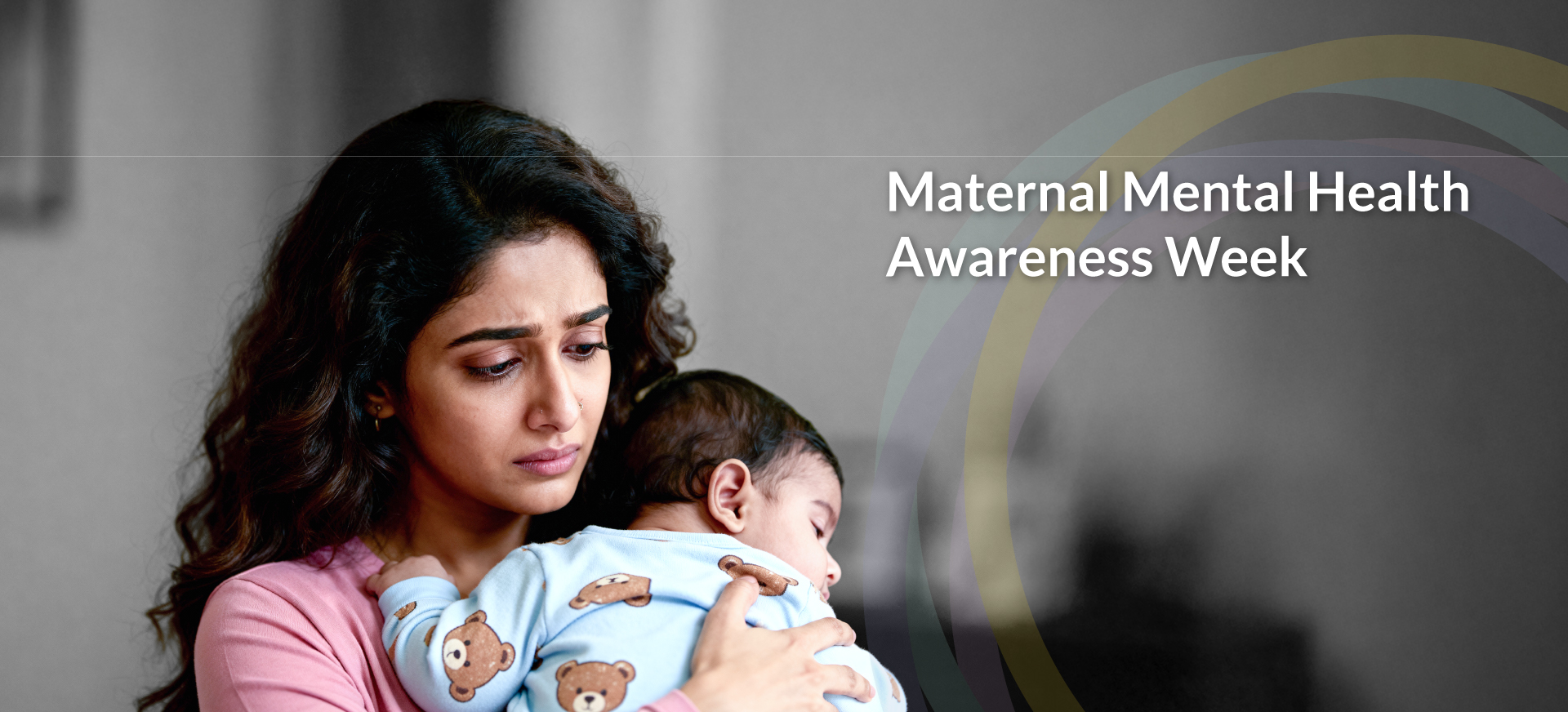
Maternal Mental Health Awareness Week was introduced to address this crucial concern. Brought to effect by the National Coalition for Maternal Mental Health in 2014, it has now grown globally with leadership from prominent health organisations. Observed on the first week of May, from the 5th to 11th, the initiative draws attention to often-overlooked mental health struggles of mothers and encourages early identification and professional care.
What is Maternal Mental Health?
Maternal mental health relates to a woman’s emotional and psychological state during pregnancy and up to one year after childbirth. Around 20% of pregnant women face mental health concerns. The changes during the transition to motherhood include physical, mental, and emotional recovery. Difficulty in managing these changes can affect parenting and maternal well-being.
While postpartum depression is the most recognised condition, maternal mental health concerns extend to anxiety, trauma-related stress, obsessive thoughts, and, in rare cases, psychosis. Factors such as perinatal stress, sleep deprivation, birth complications, and lack of support can increase emotional distress.
Mental Health During Pregnancy
Mental health changes during pregnancy are associated with hormonal changes, physical discomfort, fear around labour, future-related worries, and pregnancy complications. It can also lead to a sense of emptiness, difficulty concentrating, feeling guilty or becoming irritable easily. Early screening and timely care through perinatal psychiatry[AH2.1] can help prevent symptoms from worsening.
Postpartum Depression & Early Motherhood Challenges
Postpartum depression is a mood disorder that develops after 4-8 weeks of childbirth and affects a mother’s emotional and psychological health. Unlike short-term emotional changes seen as “baby blues”, postpartum depression can last for weeks or months.
Early motherhood can come with challenges that increase emotional stress, such as:- Sleep deprivation from round-the-clock caregiving can affect emotional stability.
- Breastfeeding difficulties may create stress and guilt.
- Physical recovery after childbirth can be painful and exhausting.
- New responsibilities can feel overwhelming with limited support.
Mental Health Across Child Growth Stages
Maternal mental health continues to be affected as a child grows and parenting demands change. Maternal Mental Health Awareness Week in 2026 is about highlighting these concerns as well.
Mental health concerns across different child growth stages include:
- Infancy: Feeding schedules and constant caregiving can prolong emotional exhaustion.
- Toddlerhood: Managing developmental changes and increased supervision can add to mental strain.
- School-age: Academic concerns, social development, and balancing responsibilities can increase prenatal anxiety.
- Adolescence: Emotional conflicts, independence, and behavioural changes can create psychological stress for mothers.
Stress Factors Affecting Maternal Mental Health
External stressors alongside pregnancy and parenting responsibilities can increase the impact on maternal mental health. Common stress factors include:
- Work: Balancing childcare and professional responsibilities.
- Partner: Relationship conflicts or lack of emotional support.
- Family Dynamics: Parenting pressure and differing expectations.
When Mothers Should Seek Help
Mothers should seek help when emotional distress starts affecting daily functioning, sleep, infant care, and healthy bonding. Persistent spells of sadness, anxiety, overwhelming guilt, or thoughts of self-harm should be addressed immediately at a psychiatric hospital.
Doctors at Maarga Supporting Maternal & Child Mental Health
Timely mental health support can improve recovery outcomes for both mothers and children. At Maarga Mind Care, Perinatal concerns such as anxiety, postpartum depression, and other conditions associated with motherhood are assessed through detailed clinical evaluation.
Our team of psychiatrists and psychologists develops a personalised treatment plan to support maternal well-being across pregnancy, postpartum, and parenting stages.
FAQs
Q. Isn’t it normal to feel anxious during pregnancy?
A. Some worry is common, but constant fear, panic, or emotional distress that affects daily functioning should be discussed with a mental health professional.
Q. Can maternal mental health affect the baby?
A. Yes, untreated mental health conditions in the mother can affect bonding and childcare, compromising their healthy development.
Q. Who is more at risk of maternal mental health conditions?
A. Anyone can get affected, but women with a history of anxiety, depression, trauma, difficult pregnancies, or limited support may be at a higher risk.