
 7026275757
 Chat
with
us
Chat
with
usSynopsis
Table of Contents
What is National Children’s Mental Health Awareness Day?
Children’s mental health affects how they think, feel, and act. Early signs of problems may include mood changes, pulling away, dropping grades, or behaviour issues. Getting help early, support from parents, guardians and professional care can help children build healthy emotional and social skills.
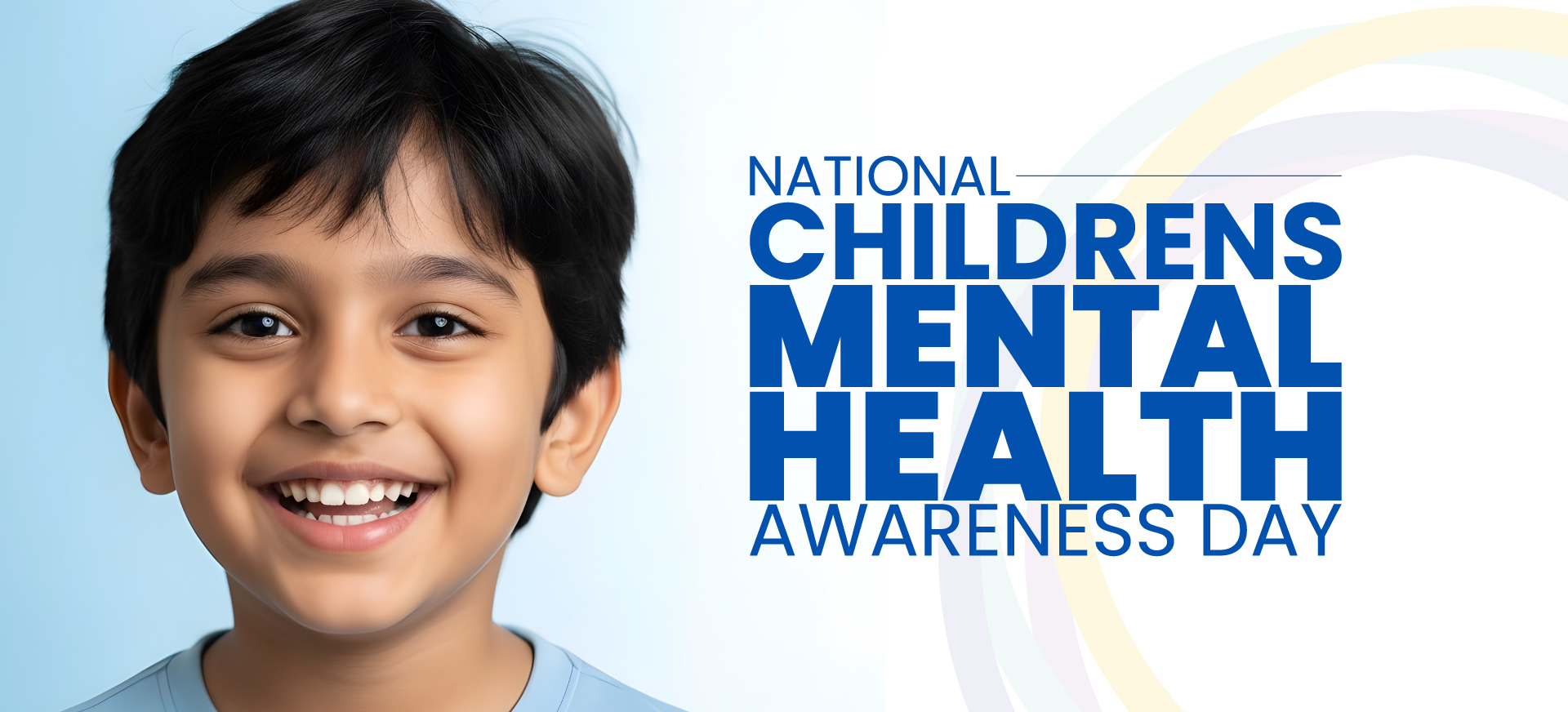
Held every year on May 7th, National Children’s Mental Health Awareness Day shows why it is important to support emotional and mental health from a young age. As more people learn about child mental health problems, this day encourages families, schools, and health workers to focus on spotting issues early and providing care.
Importance of Children’s Mental Health
As a parent or guardian, it is important to understand that your child’s mental well-being is closely linked to their emotional development, learning abilities, and social relationships. When children are mentally healthy, they are better equipped to manage stress, build friendships, and perform well academically.
However, issues like childhood anxiety, self-harm, bullying, and other behaviour problems are being seen more often today. Research shows many mental health problems start before the teenage years, so noticing these early signs can really help.
The National Children’s Mental Health Awareness Day theme often focuses on lowering negative attitudes and making care easier to access. It highlights that mental health help should be easy to reach, available when needed, and part of daily places like schools and homes, where you are involved in your child’s well-being.
Early Signs of Mental Health Issues in Children
Recognising early warning signs can help prevent long-term challenges. These signs may vary depending on age and personality, but often include noticeable behavioural or emotional shifts.
Common indicators include:
- Frequent mood swings or irritability
- Withdrawal from friends or family
- Declining academic performance
- Persistent fear or childhood anxiety
- Difficulty focusing, emotional distress from bullying, or signs of self-harm may also be noticed
- Changes in sleep or eating patterns
- Ongoing behavioural problems in children
Many parents notice subtle changes first, such as their child becoming unusually quiet or easily frustrated. Paying attention to these patterns can enable early intervention.
Role of Parents & Schools
Parents and guardians play a key role in supporting children’s mental well-being. A nurturing environment at home and school helps children feel safe expressing their emotions.
As a parent or guardian, you can support your child by:
- Encouraging open and judgment-free conversations
- Maintaining consistent routines
- Being attentive to emotional and behavioural changes
Schools contribute by:
- Offering counselling support
- Creating inclusive classrooms
- Monitoring social and academic development
Many National Children’s Mental Health Awareness Day activities include school-based programs such as awareness sessions, group discussions, and creative expression workshops. These initiatives help children understand and communicate their feelings better.
The National Children’s Mental Health Awareness Day theme also stresses the importance of parents, guardians, and teachers working together to build a strong support system for children.
When to Seek Professional Help
While some behaviour changes are normal, certain signs need expert help. Parents should think about getting professional support if they see:
- Persistent sadness or withdrawal
- Severe anxiety or panic symptoms
- Aggressive or self-harming behaviour
- Difficulty managing daily activities
In these cases, seeing child mental health experts or visiting a psychiatric hospital can provide clear guidance and structured care. Finding problems early and getting help improves results and helps children feel emotionally balanced again.
Treatment & Intervention Options
Mental health care for children is tailored to the problem. Common treatments include:
- Behavioural therapy to address behavioural problems in children
- Cognitive behavioural therapy for managing anxiety
- Support and counselling for children experiencing bullying or self-harm behaviours
- Family counselling to improve communication
- School-based interventions for consistent support
A trained child psychiatrist may also recommend medication in some cases, along with therapy, for comprehensive care.
Maarga Specialists for Children’s Mental Health
Getting expert care is important for good treatment. At Maarga Mindcare, skilled professionals provide comprehensive support tailored to each child’s needs. Their child psychiatrist services focus on early check-ups, correct diagnosis, and personalised care plans.
Using a team approach in therapy and counselling, the centre ensures children receive the care they need in a safe, caring environment. This aligns with the main goal of National Children’s Mental Health Awareness Day, which emphasises quick, easy access to mental health care.
Conclusion
National Children’s Mental Health Awareness Day serves as an important reminder that emotional well-being is essential for a child’s overall development. By recognising early signs, addressing child mental health issues, and seeking timely care, families can ensure better outcomes for their children.
Through awareness initiatives and National Children's Mental Health Awareness Day activities, society can work to reduce stigma and create supportive environments where every child has the opportunity to thrive.
FAQs
Q. What are common mental health problems in children?
A. Common conditions include anxiety disorders, depression, self-harm behaviours, bullying-related stress, and various behavioural problems in children.
Q. How can I tell if my child is struggling mentally?
A. Look for consistent changes in mood, behaviour, sleep, academic performance, or social interactions.
Q. At what age can mental health issues start in children?
A. Mental health concerns can begin as early as preschool years, though they may become more noticeable during school age.
Q. How can parents support a child’s mental health?
A. Parents can encourage open communication, provide emotional support, maintain routines, and seek help when needed.
Q. When should a child see a psychologist?
A.If symptoms persist, worsen, or interfere with daily life, consulting a mental health professional is recommended.