
 7026275757
 Chat with us
Synopsis
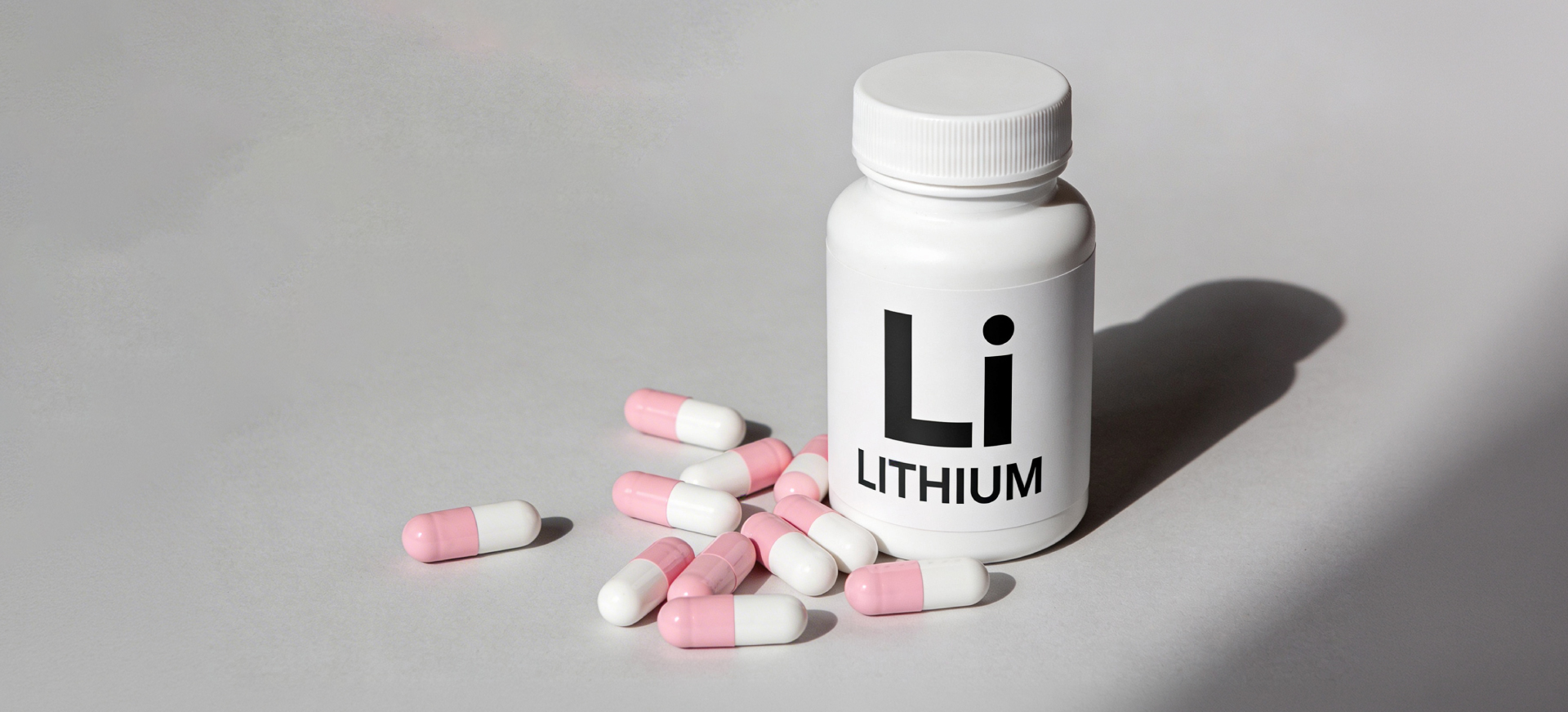
Bipolar Disorder is a type of mental health disorder that needs to be handled with extreme care due to its complexity. While several treatments can be recommended for this complex mental disorder, one type of treatment that has caught the eye of people and is trusted for its performance and outcome is Lithium for Bipolar Disorder. As a long-term bipolar management solution, Lithium scores above the rest due to its sheer impact in addressing the situation.
Table of Contents
Introduction
Bipolar disorder is a long-term mental health condition. It can assume critical proportions, especially when it is marked by alternating episodes of mania, hypomania, and depression. While multiple treatments are available to treat this condition, the most sought-after remains lithium treatment for bipolar disorder. However, regular blood monitoring is essential to ensure safe, effective treatment and avoid toxicity.
As a popular mood stabiliser medication, lithium has proven its effectiveness, especially in severe mood swings and suicide risks. It is efficient and effective in preventing manic and depressive episodes by balancing brain chemistry.
This article provides more clarity on lithium therapy for bipolar disorder in clear, simple language—covering how it works, when it’s prescribed, monitoring requirements, side effects, long-term use, and answers to common patient questions.
How does Lithium work for bipolar disorder?
When it comes to mood regulation, communication between brain cells is of paramount importance. This is where Lithium for Bipolar plays a huge role as it works towards ensuring just that.
While the exact mechanism is complex, extensive research continues to show that lithium:
- Helps reduce the extra activity and energy caused by mania
- Increases emotional regulation
- Ensures that brain cells are safe from stress-related damage
- Supports bipolar mood stabilisation over time
Compared to medications that act quickly on symptoms, lithium works gradually, helping prevent future episodes rather than just treating current ones. This makes it particularly effective as a proven medication for manic episodes and relapse prevention.
When is it recommended?
Lithium pills for Bipolar works very well when you have to confront the following conditions.
- Bipolar I disorder with manic episodes
- Bipolar II disorder with frequent mood swings
- Recurrent manic or depressive episodes
- Patients with a high risk of relapse
- Individuals requiring long-term bipolar management
Psychiatrists usually prescribe lithium as a solo solution or alongside other medications such as antipsychotics or antidepressants, depending on the complexity of the situation.
Dosage & Monitoring
Dosage
Bipolar disorder, Lithium medication can vary from individual to individual. Factors such as age, kidney function, body weight, and symptom response are important to consider before deciding the actual dosage. Treatment usually begins at a low dose and is gradually adjusted.
Monitoring
Close monitoring of Lithium is important due to its narrow dosage range. Lithium treatment for bipolar disorder works well if handled well, as it helps in:
- Maintaining therapeutic lithium levels
- Prevent toxicity
- Protect kidney and thyroid function
Your therapist may suggest blood tests,
- Every 5–7 days during initiation
- Every 2–3 months, once stable
This methodical approach ensures a safe and sustained mood stabilisation process.
Effectiveness for Bipolar Disorder
Lithium remains one of the most effective treatments for bipolar disorder. Evidence-based studies have shown that it can,
- Considerably reduce the frequency of manic episodes
- Significantly brings down the risk of a relapse
- Reduces the risk of suicidal attempts to a great extent
- Improves long-term functioning
Side Effects & Safety
Bipolar disorder Lithium medication does not result in any major side effect as most of them are mild and can be easily managed. Notable among common side effects include.
- Thirst and increased frequency of urination
- Mild tremors
- Weight gain
- Nausea or digestive discomfort
- Thyroid changes
- Mild changes in kidney function
This is where therapists rely on consistent and persistent monitoring to ensure absolute safety and comfort of patients, who are advised to maintain consistent hydration and avoid sudden dietary changes.
Long-Term Management
Lithium therapy for bipolar disorder is not a short-term arrangement, as it is designed to provide a long-term solution in mind. A lot of patients have reported consistent improvement and stability for years with consistent treatment and follow-ups.
Key factors that ensure long-term success include:
- Adherence to medications
- Frequent blood monitoring
- Lifestyle changes (sleep, hydration, stress management)
- Regular psychiatric reviews
When managed correctly, this advanced treatment supports sustained recovery and improved quality of life.
Why Lithium treatment for Bipolar Disorder?
- Lithium for bipolar disorder has stabilised many stressed and wavering moods and brought in stability and assurance. While early treatment may report fewer mood swings, over time, with frequent monitoring, results begin to unfold positively in favour of the patient.
- Prescribed and extensively monitored by expert psychiatrists with specialisation in bipolar disorder management through dose adjustments, side-effect management, and long-term care planning, ensuring individualised treatment.
- Recommended by major psychiatric guidelines worldwide—including international and national mental health bodies—as a first-line treatment for bipolar disorder. Its evidence base spans decades of clinical trials and real-world use.
- Routine blood tests, scheduled follow-ups, and patient education ensure lithium’s safe use. This transparency and monitoring framework has transformed lithium into one of the most trusted psychiatric medications available today.
Conclusion
Before choosing the right treatment option, it is important to understand bipolar disorder and how lithium works in managing mood stability. If you or a loved one is considering lithium treatment for bipolar disorder, speaking with experienced professionals can make a meaningful difference.
Maarga Mindcare Hospital is a specialized mental health center offering evidence-based treatments for mood disorders, supported by experienced psychiatrists, clinical psychologists, and a compassionate care team. The hospital follows structured clinical protocols, continuous monitoring, and personalized treatment planning to ensure patient safety and long-term recovery.
A guided, personalized consultation at Maarga Mindcare helps you clearly understand whether lithium is the right treatment choice for your condition, while addressing concerns related to safety, dosage, and long-term outcomes.
Book a confidential consultation with Maarga Mindcare today to take a well-informed step toward lasting mood stability, improved daily functioning, and sustained recovery.
Frequently Asked Questions
Q. How does lithium help manage bipolar disorder?
A. Lithium helps in mood stabilization by reducing brain activity linked to mania and preventing depressive relapses. It supports in maintaining an emotional balance over time rather than treating immediate symptoms only.
Q. How long does lithium take to start working?
A. Lithium treatment begins at a slow pace. Though full mood-stabilization may take a couple of months or more, based on the severity of the symptoms, the final outcome is favourable to the patient, bringing him back to glory.
Q. What are the common side effects of lithium?
A. Common side effects can include thirst, increased urination, mild tremors, weight gain, and nausea. Most can be easily managed with dose adjustments and monitoring.
Q. Why does lithium require regular blood tests?
A. Blood tests ensure close monitoring of the process to ensure the safety of kidney and thyroid health without toxicity.
Q. Is lithium effective for both mania and depression?
A. Yes. Lithium is effective for preventing manic episodes and reducing depressive relapses, making it the preferred option for comprehensive bipolar treatment.